
Why Does Webbing and Cargo Control Matter More Than Most Shippers Realize?
2026-04-03
In transport, warehousing, construction, and industrial handling, small failures usually do not begin with dramatic accidents. They begin with one loose strap, one mismatched buckle, one worn edge, or one rushed loading decision. That is exactly why Webbing and Cargo Control deserves much more attention than it typically gets. I have seen many buyers focus on freight cost, delivery speed, or equipment quantity first, only to discover later that poorly chosen restraint products create damaged cargo, rejected shipments, safety incidents, and expensive operational delays.
When businesses want consistent results, they need restraint systems that fit their cargo, their routes, and their handling conditions. This is where NingBo Kingslings Import & Export Co., Ltd. becomes part of the conversation. For buyers looking for reliable restraint and webbing solutions, the real challenge is not simply finding straps or webbings. It is identifying products that match working load demands, material expectations, hardware compatibility, durability requirements, and long-term supply needs.
This article explains how Webbing and Cargo Control helps reduce cargo damage, improve load stability, support safer transport, and lower hidden operating costs. It covers common buyer pain points, product selection logic, material comparisons, inspection priorities, application examples, and frequently asked questions. It is written for importers, distributors, logistics teams, transport operators, and industrial buyers who need practical guidance rather than vague product claims.
- What Will This Article Cover?
- Why Do So Many Cargo Problems Start With Poor Restraint Choices?
- What Does A Complete Webbing and Cargo Control System Usually Include?
- How Should Buyers Match Products To Different Cargo Types?
- Which Material and Performance Factors Actually Matter?
- How Can Better Cargo Control Reduce Costs Instead Of Just Adding Expense?
- What Should Buyers Check Before Ordering In Volume?
- Why Does Long-Term Supplier Support Matter In Real Projects?
- FAQ
- Define the real business value of Webbing and Cargo Control
- Explain the most common transport and securing failures
- Break down core product categories and their uses
- Compare material, hardware, and application priorities
- Show how correct product selection lowers risk and cost
- Provide a practical buyer checklist for bulk purchasing
- Answer frequently asked questions in plain language
Why Do So Many Cargo Problems Start With Poor Restraint Choices?
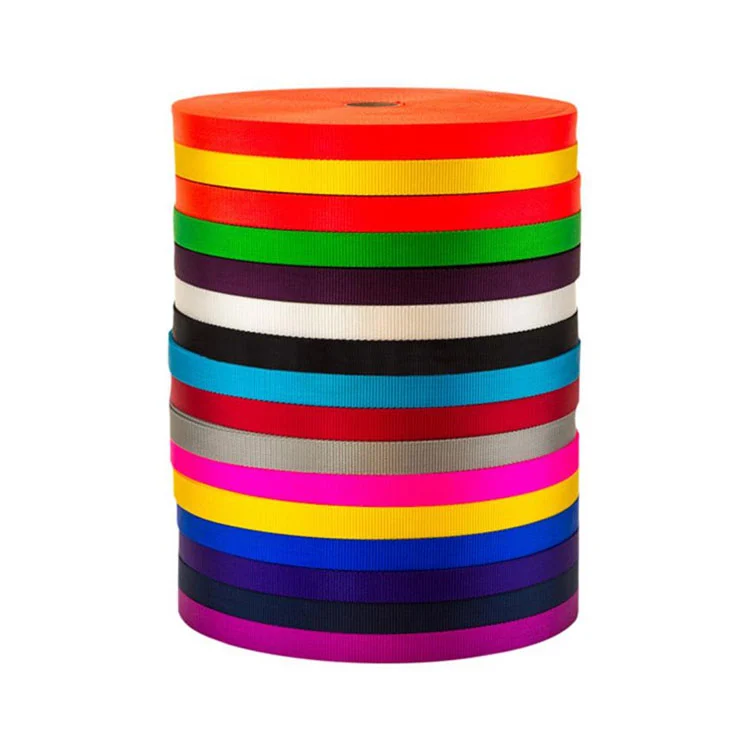
Many companies do not lose money because they forgot to secure cargo. They lose money because they secured it badly. That difference matters. A truck may leave the loading area with straps in place, but if the webbing width is wrong, the hardware is unsuitable, the elongation is excessive, or the tie-down method does not match the load shape, the restraint system can fail long before delivery.
The biggest pain points I hear from buyers usually sound familiar:
- Cargo shifts during road transport and arrives damaged.
- Straps wear out faster than expected in rough or outdoor conditions.
- Different teams use different products with no standardization.
- Hardware and webbing do not work well together.
- There is uncertainty about load rating, safety margins, and product consistency.
- Cheap products lead to hidden replacement and claims costs.
This is why Webbing and Cargo Control should be treated as a system, not as a low-priority accessory purchase. The restraint method must match the cargo profile, road conditions, handling frequency, weather exposure, and compliance expectations. When buyers ignore this, they often pay for the same shipment twice: once in procurement, and again in loss.
| Common Problem | What Usually Causes It | Business Impact |
|---|---|---|
| Load movement in transit | Incorrect strap type, insufficient tension, wrong lashing pattern | Damaged goods, claims, rejected delivery |
| Premature strap wear | Poor material choice, abrasion, UV exposure, edge damage | Frequent replacement, downtime, safety risk |
| Inconsistent securing quality | No product standardization across teams or routes | Operational instability and training burden |
| Hardware failure or mismatch | Wrong buckle, hook, or fitting selection | Reduced load security and emergency incidents |
What Does A Complete Webbing and Cargo Control System Usually Include?
Buyers sometimes search only for straps, but a proper system is broader than that. In practice, Webbing and Cargo Control can involve the webbing itself, assembled tie-down products, lifting-related textile components, load restraint hardware, protection accessories, and application-specific fittings.
A complete solution often includes:
- Ratchet straps for high-tension load securing
- Webbing straps for versatile restraint and bundling tasks
- Lifting slings for textile-based lifting applications where suitable
- Seat belt webbing and high-strength webbings for specialized uses
- Ratchet buckles, cam buckles, and overcenter buckles
- Hooks, rings, and matching metal hardware
- Corner protectors to reduce abrasion and preserve tension
For many buyers, the most useful way to think about product categories is function first, not catalog first. Ask what the product must do. Does it need to hold tension under transport vibration? Protect fragile surfaces? Resist weather? Handle repeated loading cycles? Improve operator efficiency? Once those questions are answered, the right product family becomes much easier to choose.
| Product Type | Main Use | Best Fit Scenario |
|---|---|---|
| Ratchet Strap | High-tension cargo securing | Truck transport, pallet loads, machinery restraint |
| Webbing Strap | General fastening and bundling | Warehouse use, packaging support, light industrial restraint |
| Lifting Sling | Load lifting support | Construction, manufacturing, material handling |
| Seat Belt Webbing | High-strength textile applications | Automotive, safety, and specialized sewn assemblies |
| Buckles and Hooks | Tensioning and attachment | Assembled restraint systems matched to webbing width and load need |
| Corner Protectors | Edge shielding and strap preservation | Sharp-edged cargo, boxed goods, finished surfaces |
How Should Buyers Match Products To Different Cargo Types?
This is usually where good procurement decisions are made or ruined. A restraint product that works well for boxed consumer goods may be completely unsuitable for steel parts, timber bundles, industrial equipment, or irregular cargo. The shape, surface, weight distribution, and movement tendency of the load all matter.
I generally recommend thinking in four steps:
- Define the cargo weight and center of gravity.
- Identify whether the cargo is fragile, rigid, sharp-edged, or vibration-sensitive.
- Choose the restraint style needed for direct restraint, friction support, or positioning stability.
- Select the webbing width, hardware style, and protection accessories that suit the route and working environment.
For example, machinery often needs high-tension restraint plus secure hook engagement. Boxed goods may require gentler contact pressure and corner protection. Long items such as pipes or profiles may need multiple securing points to prevent rolling or longitudinal movement. Outdoor transport may call for stronger resistance to moisture, sunlight, and repeated environmental stress.
Do not ask only, “How strong is this strap?” Ask, “How will this whole securing setup behave during braking, vibration, cornering, and repeated loading?” That question leads to much better purchasing decisions.
| Cargo Type | Priority Concern | Recommended Focus |
|---|---|---|
| Palletized cartons | Compression and shifting | Balanced tension, edge protection, repeatable handling |
| Heavy machinery | Mass, vibration, anchor reliability | High-strength ratchet systems and durable hardware |
| Steel or sharp-edged goods | Abrasion and cut risk | Protective sleeves, corner protectors, robust webbing |
| Fragile finished products | Surface damage | Controlled tension and protective contact points |
| Long or irregular cargo | Rolling and directional movement | Multi-point restraint planning and secure hardware positioning |
Which Material and Performance Factors Actually Matter?
Buyers are often told that a product is strong, durable, or heavy duty. Those words are not useless, but they are not enough. The better questions are about material behavior, sewing quality, hardware finish, load capacity consistency, abrasion resistance, handling feel, and long-term performance in real working conditions.
Material selection changes everything in Webbing and Cargo Control. Even when two products look similar, their service life and application performance may differ substantially because of yarn quality, weave structure, coating choice, stitching quality, and the metal parts attached to them.
- Polyester is often preferred where low stretch and good strength retention are important.
- Nylon may offer softness and flexibility for certain webbing applications.
- Polypropylene can provide a lightweight and cost-conscious option for suitable uses.
But material alone is not the whole story. A good buyer also checks:
- Width and thickness consistency
- Stitching pattern and reinforcement quality
- Compatibility between webbing and buckle dimensions
- Hook design and attachment security
- Resistance to abrasion, moisture, and outdoor exposure
- Ease of use for workers wearing gloves or operating quickly
| Factor | Why It Matters | What Buyers Should Look For |
|---|---|---|
| Tensile performance | Supports safe restraint under working load | Clear rating information and consistent manufacturing |
| Elongation behavior | Affects stability during transport vibration | Controlled stretch suited to application |
| Abrasion resistance | Extends product life in rough environments | Dense weave, protection options, durable yarn choice |
| Hardware quality | Prevents weak points in assembled systems | Reliable finish, fit, and mechanical consistency |
| Ease of operation | Improves efficiency and consistent use by workers | Smooth buckle action and practical handling design |
How Can Better Cargo Control Reduce Costs Instead Of Just Adding Expense?
This is one of my favorite questions because it corrects a common procurement mistake. Some buyers see restraint products as simple consumables, so they chase the lowest unit price. But a low unit price can become an expensive decision when products wear out quickly, cargo is damaged, deliveries are delayed, or teams need to replace items constantly.
Better Webbing and Cargo Control usually reduces cost in at least five ways:
- It lowers cargo damage and claims.
- It improves transport stability and delivery confidence.
- It reduces replacement frequency when products last longer.
- It helps standardize loading practice across teams.
- It saves time during securing and unloading operations.
The hidden cost of weak restraint products is rarely visible in one invoice. It appears across months in the form of returns, repairs, customer complaints, lost productivity, and repeated emergency buying. That is why experienced buyers compare total operating impact, not just initial purchase price.
The right question is not “What is the cheapest strap I can buy?” It is “Which product gives me the lowest real-world cost per safe and successful shipment?”
What Should Buyers Check Before Ordering In Volume?
Before placing a large order, I always suggest that buyers slow down and review both technical fit and supply reliability. It is very easy to approve a sample visually and still miss details that matter in repeated field use.
A practical pre-order checklist should include:
- Confirm the exact application scenario and expected working load range.
- Verify dimensions, assembly style, and hardware compatibility.
- Check whether the webbing performs well under repeated tensioning.
- Review stitching quality and finishing consistency.
- Evaluate abrasion risk and whether sleeves or corner protectors are needed.
- Ask about customization for length, color, label, packaging, or branding.
- Confirm production stability and lead time for repeat orders.
- Make sure inspection standards are clear before shipment.
For importers and distributors, product consistency matters almost as much as product performance. One good batch is not enough. You need confidence that future orders will behave the same way in the field.
| Checkpoint | Why Buyers Should Care | Suggested Action |
|---|---|---|
| Load requirement | Prevents under-spec or over-spec buying | Map product selection to actual cargo conditions |
| Assembly compatibility | Avoids mismatch between webbing and hardware | Review buckle, hook, and width details carefully |
| Durability expectations | Improves life cycle value | Test samples in realistic handling conditions |
| Customization need | Supports market positioning and operational fit | Define specifications before mass production |
| Repeat-order stability | Protects long-term supply consistency | Discuss quality control and reorder capability early |
Why Does Long-Term Supplier Support Matter In Real Projects?
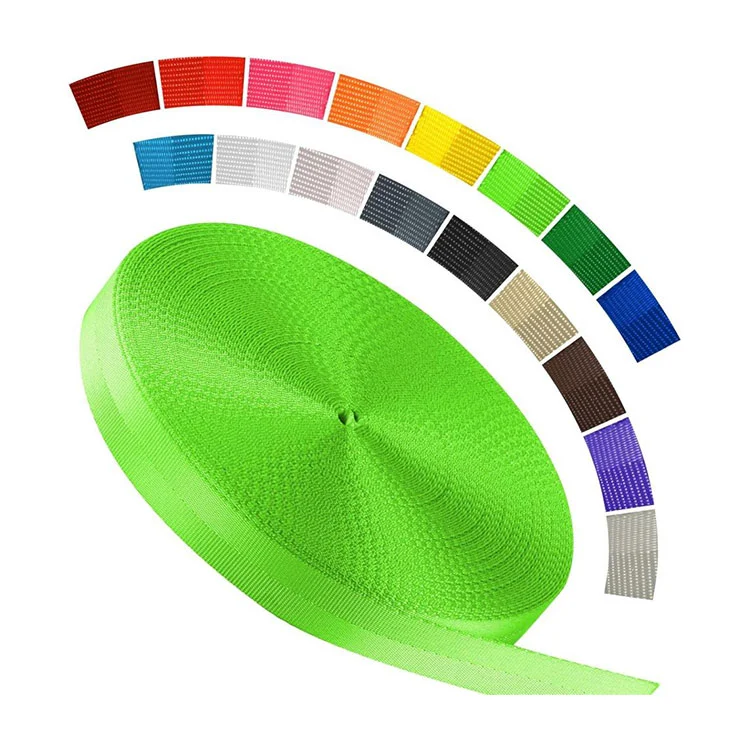
In real procurement work, buyers are not just choosing a product. They are choosing how easy future problem-solving will be. That matters a lot in Webbing and Cargo Control, because many projects eventually require size adjustments, hardware changes, packaging revisions, custom assemblies, or guidance on which setup fits a new cargo type.
This is why supplier support matters beyond price lists. A useful partner should be able to discuss product selection logic, not just quote part numbers. Buyers benefit when a supplier can help clarify material options, recommend matching accessories, support custom needs, and maintain consistency across ongoing orders.
For companies sourcing from China, this becomes even more important. Buyers often want manufacturing support, product flexibility, and dependable communication under one roof. In that context, working with an experienced supplier such as NingBo Kingslings Import & Export Co., Ltd. can make the process smoother, especially for businesses that need stable sourcing of webbing, straps, and cargo restraint products across multiple applications.
A strong supply relationship often creates these long-term advantages:
- Better product matching for new projects
- Less confusion during specification changes
- Greater consistency across repeated orders
- Improved responsiveness when issues appear in the field
- More confidence for distributors serving demanding end users
FAQ
Q1: What is the main purpose of Webbing and Cargo Control?
The main purpose of Webbing and Cargo Control is to secure, stabilize, and manage loads safely during transport, storage, lifting, or handling. It helps reduce cargo movement, damage risk, and operating uncertainty.
Q2: Which industries commonly use these products?
These products are widely used in logistics, trucking, warehousing, construction, manufacturing, automotive support, and general industrial transport environments.
Q3: How do I choose between different webbing materials?
The choice depends on your application priorities, such as strength behavior, flexibility, environmental exposure, handling preference, and budget. Buyers should compare material performance together with stitching quality and hardware compatibility.
Q4: Are ratchet straps always better than simpler straps?
Not always. Ratchet straps are excellent when higher tension and stronger restraint are needed, but some lighter or simpler applications may be better served by other webbing assemblies or buckle systems.
Q5: Why do straps fail earlier than expected?
Common reasons include abrasion, sharp cargo edges, UV exposure, poor storage, repeated overloading, mismatched hardware, and selecting products that were never suited to the application in the first place.
Q6: Is the cheapest product a good buying strategy?
Usually not. The lowest unit price can create higher total cost through short service life, damaged shipments, inconsistent performance, and more frequent replacement.
Q7: What should I ask a supplier before placing a large order?
Ask about material options, dimensions, hardware match, customization capability, quality consistency, sample testing, and how the product suits your actual cargo and route conditions.
What Is The Smartest Way To Move Forward With Webbing and Cargo Control?
The smartest way forward is to stop treating restraint products as afterthoughts. Webbing and Cargo Control directly affects cargo safety, product condition, handling efficiency, and long-term procurement cost. The right combination of webbing, hardware, and application knowledge can prevent avoidable damage, reduce replacement frequency, and help your operation run more smoothly from loading point to final delivery.
If you are evaluating supply options, comparing product types, or planning a customized sourcing project, NingBo Kingslings Import & Export Co., Ltd. can be part of that discussion. Whether you need standard products or more application-specific solutions, now is the right time to review what your current restraint system is really costing you.
Ready to improve cargo safety, reduce hidden transport losses, and choose a more dependable solution for your business? Contact us to discuss your requirements, request product details, and explore the right webbing and cargo control options for your next project.