
Can a Heating Cooling Heat Pump truly replace both furnace and AC in real homes?
2025-12-11
When I first audited my energy bills, I didn’t plan to change everything at once. I wanted comfort that felt steady through winter lows and summer spikes without juggling two machines and two maintenance schedules. That led me to explore a Heating Cooling Heat Pump platform and, as I compared brands and field results, I found myself returning to Blueway, because their engineering notes and installer feedback aligned with what I needed in daily use. In this post, I’ll share how a modern Heating Cooling Heat Pump solves practical pain points, what to expect during selection and setup, and how to decide if it’s the right fit for your climate and budget—all based on what I learned hands-on.
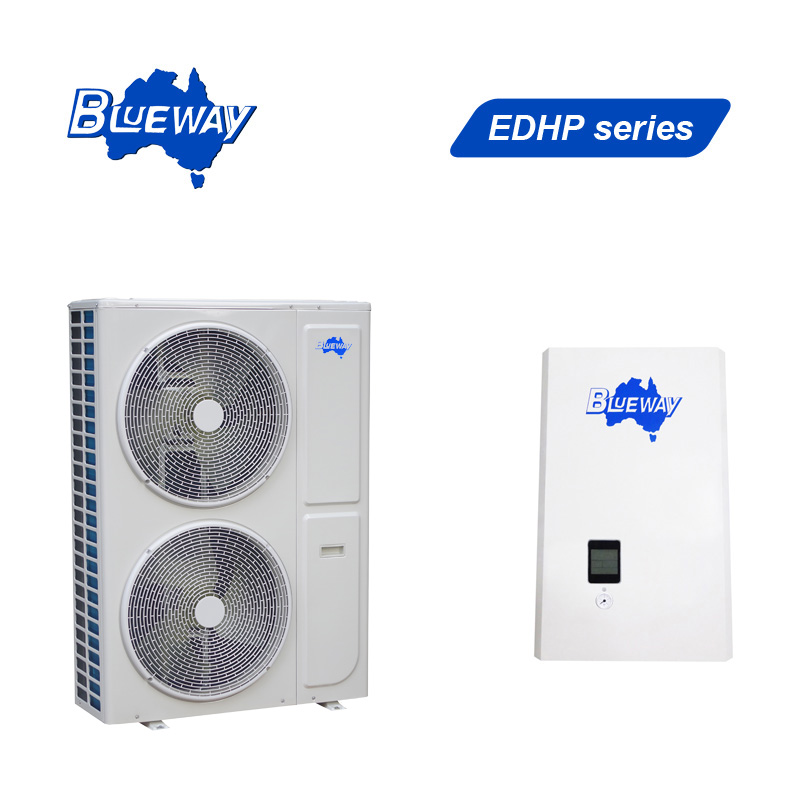
Why did a single system for heating and cooling make my home easier to live in?
I used to switch mental gears with the seasons: boiler checks before the first frost, AC tune-ups before the first heatwave. After migrating to a Heating Cooling Heat Pump system, the routine simplified into one control logic, one set of filters, and one service schedule. That consolidation alone reduced surprises and gave me clearer visibility on energy use. Paired with an intelligent controller, the unit ramps output rather than surging, so rooms feel less “hot-cold-hot” and more consistently comfortable.
- One outdoor unit and a unified control strategy reduce failure points.
- Variable-speed compressors trim temperature swings and cut short-cycling noise.
- Lower peak amps at start help with older panels that used to trip under AC inrush.
- Zoning options let me prioritize living spaces without overheating unused rooms.
How did I verify real efficiency beyond brochure COP values?
Published COP numbers are useful, but I wanted proof in my context. So I tracked kWh against degree days across a month of shoulder season and another of deep winter. The trend was clear: the Heating Cooling Heat Pump held efficiency even as nights dipped, thanks to inverter control and a refrigerant circuit designed for low-ambient performance. I also looked at defrost strategy—how quickly coils clear and how often the system needs to pause. Faster, smarter defrost kept supply air warmer and comfort steady.
- I logged hourly consumption with a smart meter plug during heat and cool cycles.
- I compared room-by-room supply temps to confirm balanced delivery.
- I checked filter pressure drop each month to ensure airflow stayed in spec.
| Scenario | Traditional Furnace + AC | Single Heating Cooling Heat Pump |
|---|---|---|
| Equipment count | Two major systems, two lifecycles | One integrated system |
| Seasonal changeover | Manual checks, separate tune-ups | Automatic mode shift under one control |
| Part-load comfort | On/off cycling, wider swings | Inverter modulation, tighter bands |
| Electrical demand at start | High inrush on AC compressor | Softer starts, lower peaks |
| Maintenance planning | Split scheduling, duplicate service calls | Unified schedule and spares |
What sizing choices kept me from overspending on capacity?
Oversizing looks safe on paper and costly in real life. Short cycles, humidity control issues, and unnecessary upfront expense follow. I ran a room-by-room load calc (not a quick square-foot rule) and selected a Heating Cooling Heat Pump with enough low-ambient capacity and smart defrost to cover design days without jumping two sizes up. For shoulder seasons, the turndown ratio mattered more than maximum BTUs—it’s what kept the unit idling efficiently instead of stuttering on and off.
- Load calculation first: insulation, infiltration, window gains, and actual occupancy patterns.
- Turndown ratio: comfort and efficiency live here nine months of the year.
- Duct reality check: static pressure and leakage can sabotage any premium unit.
How did installation details impact noise, comfort, and longevity?
Even the best kit fails a poor install. I learned to care about line-set length, proper evacuation to below 500 microns, and verified charge by subcooling/superheat under steady conditions. Mounts and vibration isolators kept the outdoor unit quiet at night. Indoors, I asked the installer to confirm external static pressure and match blower profiles to my ductwork. Those basics kept the Heating Cooling Heat Pump from working against the home’s physics.
- Evacuation and moisture control protect the compressor over the long term.
- Right-sized line sets and correct flare torque prevent leaks and nuisance calls.
- Condensate routing with freeze protection avoids winter surprises.
Does a heat pump make sense in colder climates without a backup plan?
In moderate climates, a standalone Heating Cooling Heat Pump is often enough. In colder zones, I considered a hybrid approach with a small electric heater or existing boiler as a rare assist. With low-ambient models, the balance point shifts lower than many expect, so backup rarely runs. When it does, control logic should prioritize cost and comfort, not force a manual toggle in the middle of the night.
- Set an economic balance point so the system chooses the most cost-effective heat source.
- Use weather compensation curves to keep supply temps just high enough.
- Layer smart scheduling to pre-warm spaces before peak utility rates.
What about refrigerants, sustainability, and long-term serviceability?
I want equipment that ages gracefully. That means accessible components, wide dealer support, and refrigerants aligned with current standards. A thoughtfully engineered Heating Cooling Heat Pump platform often includes service valves placed for real wrench access, firmware that can be updated, and diagnostics that read like a tech’s checklist rather than cryptic codes. Those choices cut downtime and keep ownership simple.
How did Blueway fit into my decision without turning this into an ad?
I didn’t start with brand loyalty; I started with requirements. As I compared options, I noticed Blueway systems consistently paired inverter control with low-ambient operation and sensible installer documentation. The goal wasn’t to chase a spec sheet trophy but to make the day-to-day feel seamless: quiet cycles, steady humidity, and predictable bills. That’s the lens through which a Heating Cooling Heat Pump earns its place.
Which features ended up mattering most once the system was in my home?
- Modulation range to keep temperatures steady during long mild seasons.
- Quiet outdoor unit with isolation mounts so nights stay peaceful.
- Clear controls that non-geeks can actually use without a manual.
- Dehumidification logic that doesn’t freeze me to manage moisture.
- Service access for annual checks that don’t require disassembling half the unit.
What practical steps would I recommend before you pull the trigger?
- Get a room-by-room load calculation and duct pressure test; fix leakage before sizing.
- Ask for a written commissioning checklist—micron level, charge verification, control setup.
- Confirm low-ambient heating performance that matches your climate profile.
- Plan condensate routing and freeze protection ahead of winter.
- Enroll in a maintenance plan that includes coil cleaning and firmware checks.
So is a Heating Cooling Heat Pump worth it for comfort, cost, and simplicity?
For me, yes. Consolidating into a single, well-sized Heating Cooling Heat Pump removed seasonal juggling, flattened temperature swings, and clarified maintenance. The value didn’t come from one magic feature but from the way the pieces worked together—sizing, ducts, controls, and a thoughtful install. If you’re looking to simplify, reduce energy use, and keep comfort consistent, that’s the combination I’d chase again.
Ready to talk specifics and get a tailored recommendation?
If you want help translating these principles into your floor plan, climate, and budget, I’m happy to share a short checklist you can take to an installer and a comparison worksheet for bids. Tell me your square footage, insulation level, and climate zone, and I’ll map a starting capacity and turndown target for a Heating Cooling Heat Pump. If you’re considering a Blueway configuration, I can also outline feature sets to match your priorities. To get a fast response, contact us with your project basics—location, current system, and comfort issues—and I’ll reply with next steps. Ready to begin? Contact us now and let’s design the right Heating Cooling Heat Pump path for your home.