

Withdrawable Switchgear Cabinet Exporter: Key Factors for Global Buyers
2026-11-03
Price is the easiest thing to compare when sourcing a withdrawable switchgear cabinet. It's also the least useful metric if the breaker won't rack after a fault. This post walks global buyers through the factors that separate export-ready cabinets from showroom specs—and why MOLDVOLT keeps appearing on shortlists for projects that can't afford downtime.
What Withdrawable Design Means for Real Maintenance Teams
Withdrawable design changes the rhythm of daily maintenance. Instead of isolating a fault and then working around live connections, a technician can slide out the entire breaker or control module and take it to a bench. That physical separation removes the constant awareness of adjacent energized parts, so the job becomes less about guarding against a misstep and more about actually fixing the component in hand.
For teams running multiple shifts, the advantage shows up in handovers. A withdrawable unit that has been pulled, tagged, and replaced with a spare keeps the line moving while the original goes to the workshop. The next crew doesn't have to reconstruct what was half-diagnosed; they see a clean swap and a clear state. It turns what used to be a risky, rushed repair into a planned swap that fits the shift schedule.
There is also a quieter benefit: training and confidence. Junior technicians learn faster when they can inspect a withdrawn assembly without the pressure of a live board. They can trace connections, identify wear, and understand interlocks at their own pace. That builds a maintenance culture where people trust the equipment, not just their luck.
Why Factory Load Tests Matter More Than Paper Specs
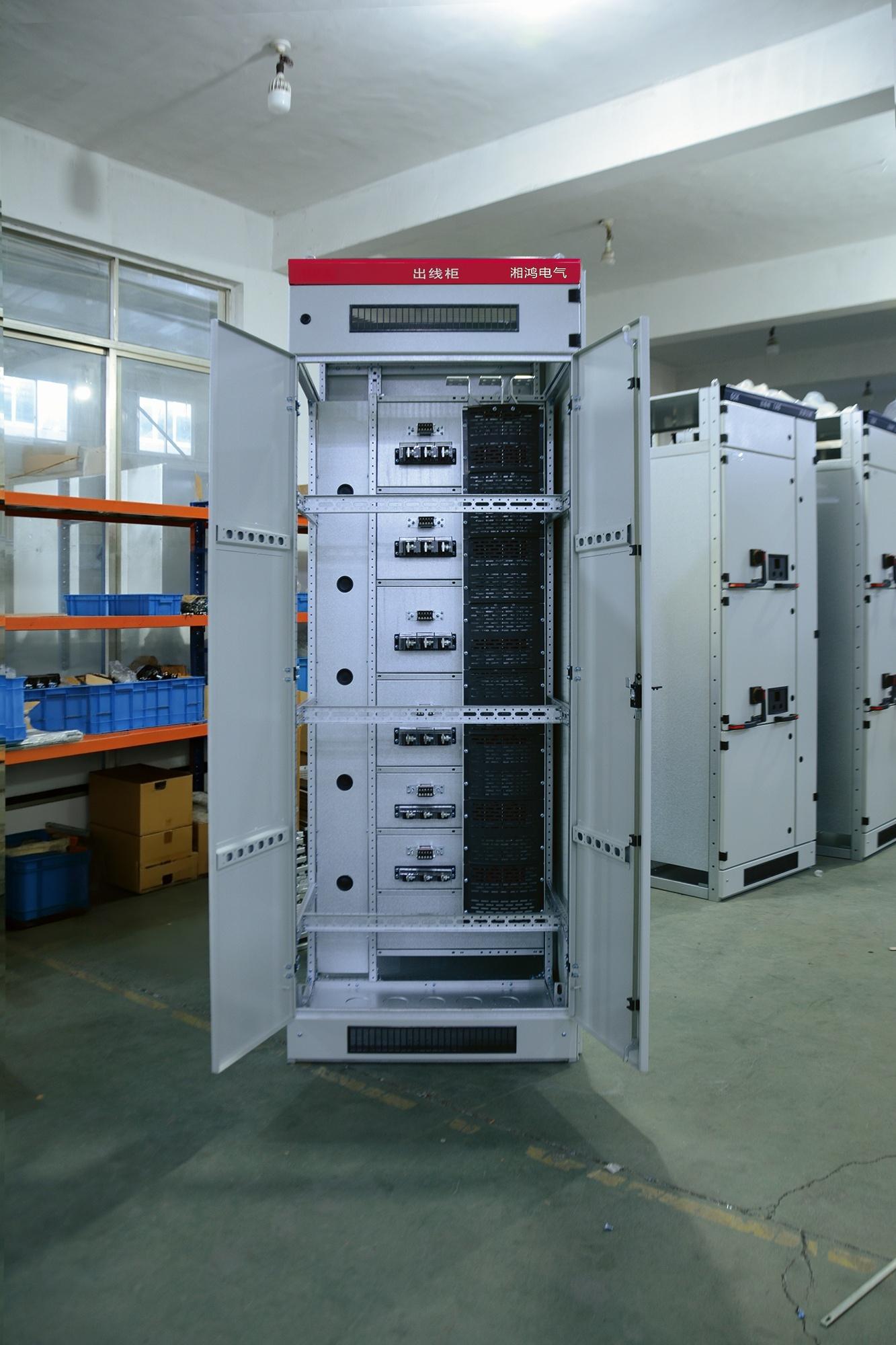
Paper specs are typically collected in controlled settings with fresh components and ideal ambient conditions. That's not how equipment behaves on a production floor. A factory load test pushes the entire system under real-world stress—varying electrical loads, heat buildup, continuous duty cycles—and exposes issues that a datasheet simply can't predict, like voltage sag under sudden demand or thermal throttling after hours of operation.
Individual components might each meet their published ratings, but when assembled into a machine, interactions create new failure points. Load testing at the factory verifies that power supplies, drives, cooling, and control boards work together under full rated load, not just on paper. It catches mismatches in wiring, under-sized connectors, or software limits that only appear when every subsystem is drawing current simultaneously.
Beyond catching defects, factory load tests provide a baseline for reliability. The data gathered—temperature rise, current draw, harmonic distortion—becomes a reference for predicting wear and scheduling maintenance. A machine that has survived 48 hours of continuous full-load operation before shipping is far less likely to surprise you on your busiest day than one that merely boasts an impressive spec sheet.
Delivery Windows That Stay Honest About Customs
Most cross-border delivery estimates fall apart at customs, because the clearance process doesn't run on a courier's clock. A shipment can clear in four hours or sit for four days while a broker verifies tariff codes, checks product descriptions, or waits for an importer ID. Honest delivery windows build that uncertainty into the range instead of hiding it behind a "typically 5-7 business days" promise. If your order contains items that often trigger manual review—like electronics with lithium batteries, cosmetics, or anything over a certain declared value—the window should widen from the start, not after the package is already delayed.
The key is splitting the estimate into what you control and what customs controls. Warehouse processing and handoff to the carrier are predictable to within a day or two. Customs, by contrast, varies by lane: shipping into Germany tends to clear faster than into Brazil, but a single random inspection can flip that pattern. A useful delivery window states the pre-customs leg precisely and then gives a realistic band for clearance, such as "2-3 days to the border, plus 1-7 days for customs release." That way the customer isn't surprised when a package marked "out for delivery" hasn't actually left the customs warehouse.
Beyond the numbers, honest windows require proactive updates when a hold occurs. Instead of letting a tracking status simply read "clearance delay" for a week, the best systems tell you what's missing—a document, a payment, a physical inspection—and what it means for the final date. This turns an opaque customs stop into a reason the original window was cautious, rather than a broken promise. It's a smaller promise, but it's one you can actually keep.
Matching Busbar Layouts to Your Site Without Rework
Site measurements often miss the small offsets that make a standard busbar run unworkable. Before you commit to a layout, walk the actual path with a laser measure and note every column face, cable tray edge, and firestop sleeve position. A five-degree shift in a riser or a recessed panel frame can force a field modification. Capturing these as photos with dimension annotations gives your fabrication team a reference that reduces guesswork.
Design the joints and expansion points to absorb minor misalignment rather than fight it. Adjustable splice plates, slotted mounting brackets, and a short flexible link at each floor transition let installers fine-tune without cutting or drilling on site. Where possible, keep straight runs a few centimeters shorter than the measured span and use telescoping covers to close the gap. This approach turns residual measurement error into an assembly detail instead of a work stoppage.
Finally, test the layout digitally against a 3D scan or updated building model before releasing for production. Overlay the busbar route on the point cloud, check for clashes with ductwork and sprinkler lines, and verify that busbar plug-in unit access remains unobstructed after ceiling installation. A fifteen-minute digital dry run catches the same clearance problems that often appear only after the first piece is hoisted into place.
After-Sales Support That Answers Before the Deadline
When you raise a ticket, the clock starts ticking. Our support team treats every deadline as a personal commitment, not just a target on a dashboard. We dig into the issue immediately, often identifying the root cause before you've finished your second cup of coffee. It's not about rushing through a checklist—it's about respecting your time and keeping your work moving forward.
There's a difference between answering quickly and answering well. We combine both by assigning a dedicated specialist who follows your case from start to finish. No handoffs, no repeating yourself. If a fix requires deeper investigation, we'll let you know exactly what's happening and when you can expect an update—before that deadline arrives, not after.
What makes this possible isn't magic or fancy automation. It's a support culture built on small habits: clear internal alerts, realistic escalation paths, and a team that genuinely dislikes leaving questions hanging. The result is an after-sales experience where 'on time' feels late, and 'early' is the standard.
Freight and Packaging Costs Made Predictable
Freight and packaging costs rarely stay flat on their own. Carrier fuel surcharges shift monthly, carton prices respond to material indexes, and dimensional weight rules can quietly inflate a quote after the fact. Making those costs predictable starts with pulling the actual variables out of the shadows: lane history, parcel dimensions, and packaging specs tied to real product profiles.
When those inputs are agreed upfront, the final landed cost stops drifting. A fixed packaging standard—right box size, void fill, and pallet pattern—removes the guesswork that usually shows up later as accessorial charges. Coupled with negotiated base rates for the lanes you actually use, the invoice should mirror the quote rather than surprise it.
The practical benefit shows up in planning rhythm. Operations can schedule outbound loads without padding every estimate, finance can close the books without chasing carrier corrections, and sales can quote a landed price that won't erode margin by the time the order delivers. Predictability here is less about locking a single number forever and more about removing the common sources of drift.
FAQ
Look beyond the ISO 9001 badge. Ask for type-test reports from independent labs like KEMA or ASTA, and confirm the certificates match the exact voltage and current ratings you need. Some exporters show generic certificates that don't cover the specific withdrawable design you're buying.
A well-designed withdrawable unit lets you replace or service a breaker without shutting down the whole busbar. That reduces downtime and labor costs. But if the interlocking mechanism or guide rails are poorly made, you'll face alignment issues and more frequent replacements. Ask for mechanical endurance test data—typically 10,000 operations or more for a reliable cabinet.
IEC 62271-200 is the baseline for metal-enclosed switchgear, but many buyers overlook regional differences. Gulf countries often demand additional heat and sand resistance tests, while North America may require ANSI/IEEE ratings. Make sure the exporter can provide documentation for the specific standard your local utility accepts.
One frequent mistake is focusing only on upfront price and ignoring spare parts availability. If the exporter uses non-standard busbar spacing or custom connectors, you'll be locked into buying expensive parts from them later. Another issue is poor documentation—schematics and manuals that are translated badly or incomplete, making local commissioning harder.
Request a list of recent shipments with similar voltage levels and destinations. Then contact two or three of those buyers directly. Ask about delivery delays, packaging damage, and how the exporter handled warranty claims. Also check if they stock critical components or build to order only, because long lead times often indicate a thin supply chain.
Some exporters use draw-out breakers that are only compatible with one brand, which limits your future options. A better design allows mixing breakers from different manufacturers without changing the cradle or shutters. This flexibility can cut replacement costs by 20-30% over the cabinet's 25-30 year life.
At minimum, they should adjust busbar ratings, protection relay settings, and enclosure IP ratings to match your site conditions. If you're in a coastal area, ask for anti-corrosion coating on internal metal parts. For high-altitude installations, the cabinet needs derating calculations and possibly wider clearances. A good exporter will provide these as standard options, not as an afterthought.
Conclusion
Global buyers who have dealt with switchgear cabinets across multiple projects quickly learn that the withdrawable mechanism isn't just a catalog feature. On real maintenance floors, a well-engineered draw-out breaker carriage means one technician can isolate, inspect, and re-rack a unit without disrupting adjacent feeders. That ease of access translates directly into shorter shutdowns and fewer accidental live-front exposures. Equally important is what happens before the cabinet ever leaves the factory: load tests that simulate actual fault clearing and temperature rise under full current reveal weaknesses that paper specifications never catch. A supplier willing to share those test records, including thermal imaging and timing curves, gives you a much clearer picture than a glossy datasheet. Then there's the busbar layout. If you're connecting to an existing switchroom, even a 100 mm offset in busbar positions can force costly site modifications. The best exporters ask for your single-line diagram and switchroom dimensions early, then confirm phase sequence, clearances, and cable entry points before the frame is welded.
Delivery promises fall apart when they ignore customs realities. A freight forwarder who has moved low-voltage and medium-voltage gear through your destination port will build a timeline around actual inspection and clearance patterns, not optimistic shipping schedules. That honesty matters when your contractor is waiting to pour cable trenches. After the cabinets arrive, the support model makes the difference between a nuisance and a solved problem. Look for an exporter who assigns an engineer to review your installation photos and answer commissioning questions within one business day, rather than routing every query through a generic sales inbox. Finally, unpredictable freight and packaging costs can erase the savings from a low unit price. A dependable exporter quotes packaging that survives container handling without excessive wood treatment fees, and gives you a line-item freight breakdown including port charges, so you're not surprised by a bill after the vessel sails. These factors together separate a supplier who merely ships metal boxes from one who understands what it takes to keep your site powered and safe.
Contact Us
Contact Person: Hellen
Email: [email protected]
Tel/WhatsApp: 86-13634205622
Website: https://www.voltcabinet.com