
Why the Best Non-Woven Tote Bag Is Your Perfect Eco-Friendly Companion
2026-08-09
Looking for a bag that’s both stylish and kind to the planet? The non-woven tote bag has quietly become the go-to choice for eco-conscious shoppers everywhere. But not all tote bags are created equal—discover why the best non-woven tote bag, especially from CHALLENGE WOLVES, stands out as your ultimate everyday companion that combines durability, design, and sustainability in one smart package.
The Hidden Benefits of Non-Woven Fabric
Beyond its obvious uses in tote bags and medical masks, non-woven fabric quietly reshapes industries through attributes that rarely make the headlines. Its engineered structure, created by bonding fibers together without weaving or knitting, yields a material that can be tailored for breathability, liquid repellency, or absurdly fine filtration—often within the same sheet. This versatility means it seamlessly replaces traditional textiles in places you’d never expect, from acoustic insulation in car interiors to the soft inner layer of a diaper, all while keeping production costs remarkably low.
One of the most underappreciated strengths lies in the freedom to embed functionality directly into the fabric. Antimicrobial agents, fire retardants, or UV stabilizers can be integrated during the manufacturing process, eliminating the need for secondary treatments that weaken fibers over time. For single-use medical drapes, this built-in protection isn’t just convenient—it actively reduces the risk of hospital-acquired infections without compromising comfort. Similarly, geotextiles made from non-wovens stabilize soil beneath roads and railways while draining excess water, performing a structural job that stays entirely invisible once buried.
Durability often gets framed in terms of tensile strength, but non-woven fabric challenges that notion by excelling in ways that woven materials cannot. It resists fraying and unraveling, cuts cleanly without running, and holds complex folds or creases under pressure. This makes it a favorite for industrial wipes that must survive scrubbing with harsh solvents, or for furniture linings that endure decades of friction without shedding fibers. And because many non-wovens are now produced from recycled polyester or plant-based fibers like lyocell, their lifecycle quietly supports circular economy goals—disintegrating predictably in compost environments rather than lingering for centuries in landfills.
Durability That Outlasts Ordinary Bags
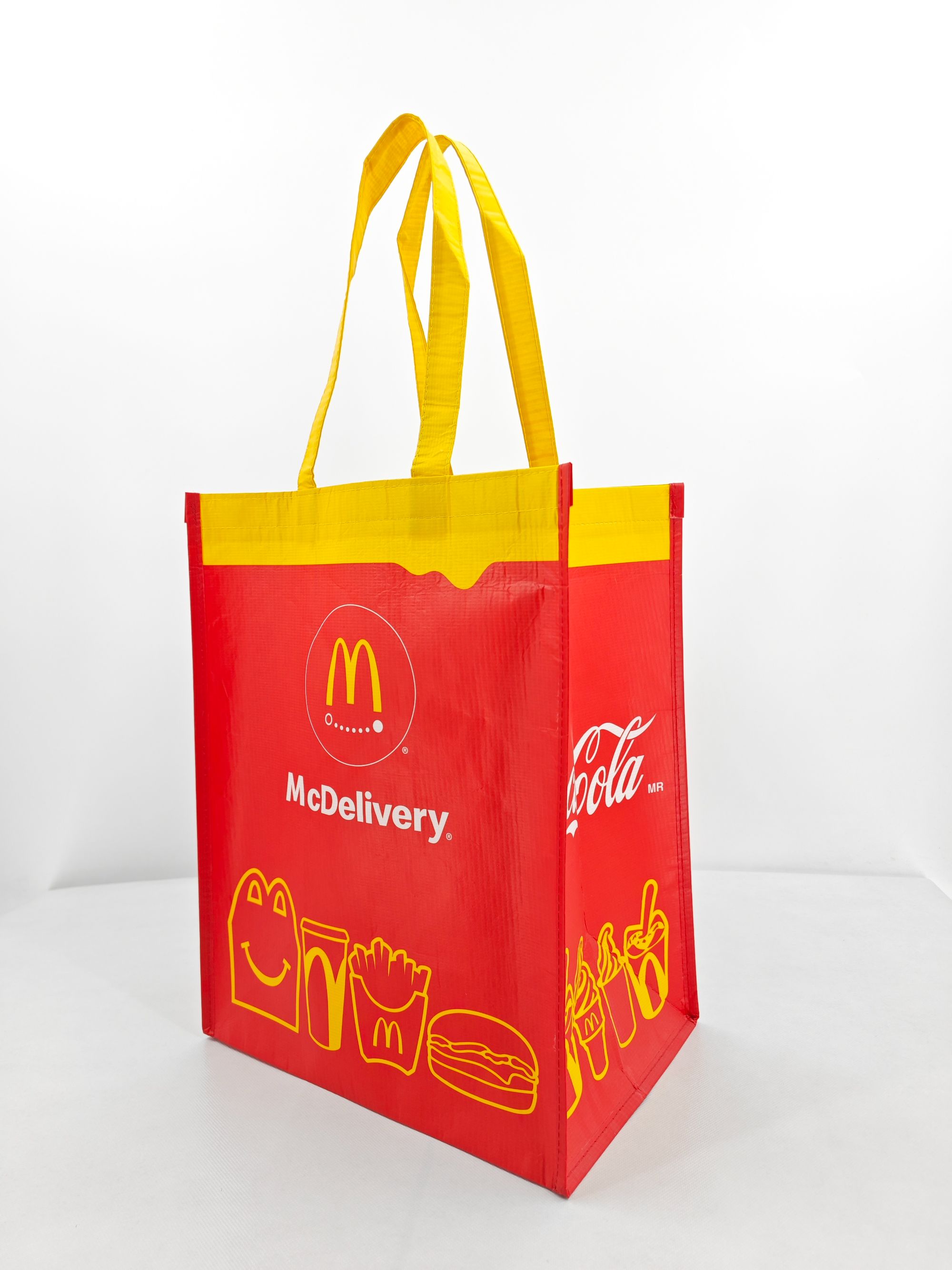
When we say these bags are built to last, we mean it. The fabric is sourced from high-tenacity nylon, triple-coated to resist abrasion and moisture. Every seam is double-stitched with reinforced threading, and stress points like handles and zipper bases are bar-tacked for extra strength. You won't see fraying or loose threads after weeks of daily use.
Ordinary bags often fail at the details—flimsy zippers that snag, linings that tear, or straps that give way under weight. We’ve upgraded those weak points with custom-molded zipper pulls that glide smoothly, a ripstop inner layer that shrugs off sharp objects, and padded carry straps that distribute load without pulling apart. Even the base is reinforced with a water-resistant bumper, so setting it down on wet ground doesn’t become a problem.
From Shopping Trips to Stylish Statements
There’s a unique thrill in discovering that one piece that feels like it was made for you—not because it’s trendy, but because it tells your story. A simple shopping trip can transform into a moment of self-expression when you stop chasing labels and start listening to your instincts. The clothes we choose become an extension of our personality, turning an everyday errand into a creative act of style.
Think of your wardrobe as a curated gallery where each item holds a memory or a mood. That slightly oversized blazer you grabbed on a whim might become your power piece for big meetings, while the worn-in leather bag from a market in Florence carries whispers of adventure. These pieces don’t just fill a closet; they build a narrative that evolves with every wear.
Redefining your style doesn’t require a radical overhaul—it starts with intention. Next time you browse, ask yourself: does this reflect who I am right now? By weaving personal meaning into your choices, every outfit becomes a stylish statement that’s authentically, unmistakably you.
How They Support Everyday Sustainability
By turning idle assets into shared resources, they cut down on unnecessary production. Choosing to borrow a drill instead of buying one means one less item that needs to be manufactured, packaged, and shipped. It’s a quiet shift away from the buy-and-discard cycle that most of us are caught in. Neighbors sharing tools or appliances keeps useful things in circulation longer, and that directly reduces the collective demand for raw materials and energy.
Often, it’s the simple design of the platform that nudges people toward greener habits without making it feel like a chore. The app shows how much CO2 you’ve avoided by renting locally, which turns an abstract concept into something tangible. A user might notice that lending out a ladder saved someone a trip to the hardware store, and suddenly sustainability feels less like a sacrifice and more like a natural part of their day. Visibility of local listings also encourages walking or cycling for pickups, further trimming the footprint attached to each transaction.
On a broader level, these community-powered exchanges build a cushion against overconsumption. When neighborhoods start relying on what’s already there, it normalizes the idea that access can replace ownership. This cultural ripple effect ripples further than any single transaction—people begin to question whether they really need to own something or if they just need to use it once. Over time, that mindset chips away at the constant pressure to buy new, making sustainability an embedded part of how communities function rather than an afterthought.
Surprising Ways to Reuse Yours
Empty wine bottles don't have to end up in the recycling bin. With a simple glass cutter, you can transform them into elegant drinking glasses, candle holders, or even a self-watering planter for your herbs. The thick glass base holds heat well, making it perfect for a DIY tealight lantern that casts a warm, flickering glow on summer evenings.
Old t-shirts with sentimental prints or stubborn stains can find a second life as colorful woven rugs or braided dog toys. Cut the fabric into continuous strips, then braid or crochet them into a sturdy mat that adds a quirky, personal touch to your entryway. The soft cotton is gentle on paws, and a slightly frayed favorite tee becomes a comforting tug toy that carries your scent even when you're away.
Wooden pallets abandoned behind stores are a goldmine for rustic furniture projects. With some sanding and a coat of outdoor sealant, they can become a vertical herb garden that saves floor space on a balcony, or a charming coffee table with built-in storage between the slats. The weathered wood brings an instant timeless feel that brand-new lumber simply can't replicate.
A Thoughtful Choice for the Planet
Every small shift in our daily routine can ripple outward in ways we rarely imagine. Opting for a reusable bottle instead of yet another single-use plastic isn't just a personal habit—it's a quiet vote for cleaner oceans and less crowded landfills. The planet doesn't demand grand gestures; it thrives on millions of thoughtful, consistent choices made around kitchen tables, in coffee shops, and during morning commutes.
What makes a choice truly thoughtful is understanding that convenience and conscience can coexist. It's not about perfection or guilt—it's about recognizing that our collective actions shape the world our children will inherit. When we choose products designed to last rather than be discarded, or support companies that prioritize ethical sourcing, we're planting seeds of change that grow far beyond our own backyards.
There's a quiet satisfaction in knowing that your choices align with a bigger picture. Whether it's the fabric of your clothing, the food on your plate, or the energy powering your home, each decision carries weight. The beauty of this approach is that it doesn't demand a radical upheaval of your life—just a willingness to pause and ask, "Is there a better way?"
FAQ
Unlike single-use plastic that chokes oceans and landfills, a non-woven tote is crafted from spun-bond polypropylene—durable enough to reuse hundreds of times. Its production uses less energy than cotton bags, and many can later be recycled into new materials instead of sitting in a dump for centuries.
Don't let the lightweight feel fool you—these bags can carry surprisingly heavy loads without tearing. The non-woven fabric resists stretching and fraying, so tossing in melons, milk jugs, or workout shoes won't phase it. I've had one that's lasted over two years of rough handling and still holds its shape.
Absolutely. Since the material takes prints and dyes beautifully, you can add bold patterns, vivid colors, or even your own artwork. Many makers offer screen printing or heat transfer options, turning a simple bag into a walking statement piece that's uniquely yours.
Spot cleaning with a damp cloth and mild soap works wonders for small spills. For deeper cleans, hand wash in cold water and air dry—tossing it in the washing machine can weaken the fibers. It's honestly less fuss than canvas, and it dries quickly, so you're not left without your trusty companion for long.
While cotton and jute have their merits, non-woven bags are lighter, foldable, and often cheaper without sacrificing strength. They also resist moisture better, so your bag won't get soggy from condensation or light rain. Plus, the energy and water savings during manufacturing give it an unexpected environmental edge.
When it's finally seen better days, cut it into rags for cleaning, use the fabric as a protective layer for potted plants, or even weave strips into a rustic mat. Some people turn old totes into quirky plant holders or patchwork for reinforcing other items—it never really stops being useful.
Every time you skip a plastic bag, you keep roughly 10 grams of CO2-equivalent from entering the atmosphere from production to disposal. Over a year, that adds up: a single well-used non-woven tote can replace over 500 disposable plastic bags, significantly cutting the emissions tied to your shopping habits.
Yes, most non-woven polypropylene bags are recyclable through specific programs that accept #5 plastics, though curbside pickup varies by location. Many brands also offer take-back schemes. The key is to confirm with your local recycler—some turn them into composite lumber or new bags, closing the loop genuinely rather than adding to the waste stream.
Conclusion
Non-woven tote bags have quietly revolutionized the way we carry our daily essentials, blending practicality with environmental consciousness. The hidden benefits of non-woven fabric lie in its lightweight yet robust structure, which resists tears and withstands heavy loads without stretching out of shape. Unlike ordinary cotton or plastic bags, this material offers breathability and water resistance, ensuring that your groceries stay dry and your belongings remain secure. Their durability outlasts ordinary bags by miles; a single well-made non-woven tote can replace hundreds of disposable plastic bags over its lifespan, maintaining its sleek appearance even after countless uses. But these bags are more than just utilitarian – they’ve evolved from basic shopping trips to stylish statements. Designers now craft them in a spectrum of colors and patterns, allowing you to express your personality while running errands. This fusion of fashion and function makes them a seamless part of modern life, effortlessly transitioning from the farmer’s market to a casual lunch with friends.
Beyond their aesthetic appeal, non-woven totes actively support everyday sustainability. Producing them requires less energy than cotton bags, and they’re often made from recycled materials, closing the loop in waste reduction. Their reusability extends far beyond grocery runs; surprise yourself with creative ways to reuse yours – as a gym bag, a beach companion, or even a portable planter for herbs. Each reuse spares another plastic bag from entering landfills. When it finally does wear out, many non-woven bags are recyclable, leaving a minimal footprint. Choosing one is a thoughtful choice for the planet, a small yet impactful step towards mindful consumption. It’s not just a bag; it’s a daily commitment to a cleaner world, wrapped in one stylish, eco-friendly companion.
Contact Us
Contact Person: Tony
Email: [email protected]
Tel/WhatsApp: +8615859766913
Website: https://www.cw-pak.com