

Wholesale Tilt-Up Garage Doors: Your Ultimate Buying Guide for Bulk Orders
2026-07-06
When it comes to securing heavy-duty storage or streamlining large-scale operations, off-the-shelf doors simply won’t cut it. That’s where wholesale tilt-up garage doors step in—combining rugged reliability with bulk-order practicality. But not all suppliers are equal, and choosing the wrong partner can lead to delayed timelines and costly mismatches. At NORTON, we’ve spent years perfecting tilt-up door systems for industrial buyers who demand zero compromises. In this guide, we’ll walk you through everything you need to know—from structural specs to customization, logistics, and beyond—so your next bulk order is a strategic win, not a gamble.
What Makes Tilt-Up Doors a Smart Bulk Buy?
Purchasing tilt-up doors in bulk isn't just about saving money upfront—it's about locking in consistency across multiple projects or properties. When you order a larger quantity, you get the exact same door model every time, meaning no surprises in color matching, hardware alignment, or overall appearance. For builders and property managers, that uniformity saves time on installation and creates a polished, professional look that's hard to achieve with piecemeal orders.
Another angle is the surprisingly low lifetime maintenance. Tilt-up doors have fewer moving parts compared to sectional or roll-up styles, so there's less that can go wrong over the years. By buying in bulk, you streamline your spare parts inventory. You can keep a single set of hinges, seals, and handles on-hand for routine upkeep, cutting down the headaches of tracking multiple models. It's the kind of long-term thinking that site supervisors appreciate but rarely get to plan for.
There's also a flexibility factor that often goes overlooked. While tilt-up doors look simple, manufacturers are usually more willing to tweak designs or add custom features—think venting panels, narrow windows, or reinforced frames—when you're placing a bulk order. You end up with a product that fits your exact needs without the premium price tag that normally comes with customization. That balance of cost-efficiency, durability, and tailored design makes a bulk buy a decision you don't second-guess when the doors start going up.
Decoding the Real Cost of Wholesale Garage Doors
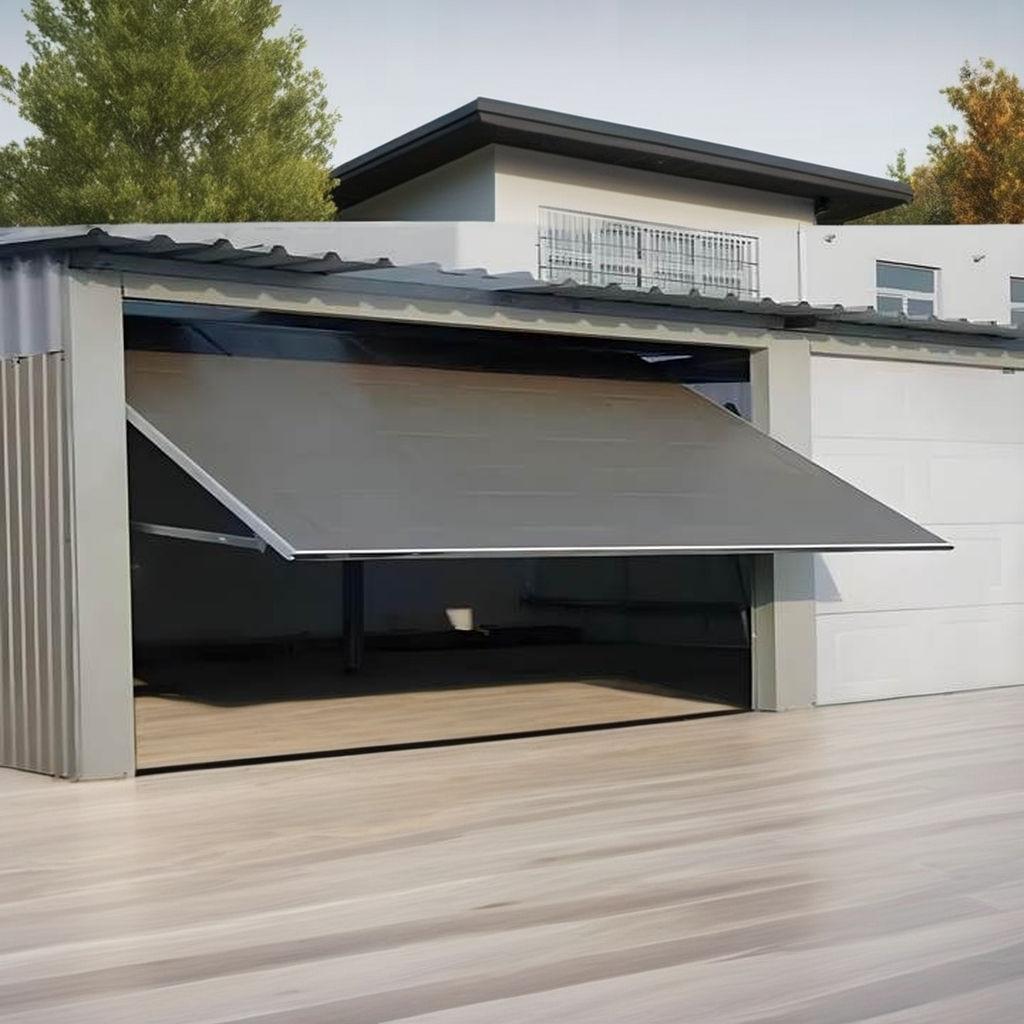
When you first glance at wholesale garage door prices, the numbers can seem deceptively simple—just a door, some tracks, and a spring mechanism. But the real cost hides in the details that most catalogs don't highlight. For instance, a standard 16x7 non-insulated door might list at $400, yet freight charges, lift-gate delivery for residential addresses, and the mandatory safety cables can silently tack on hundreds more. Even the steel gauge matters: a 24-gauge door feels flimsy after a year of daily use, while the jump to 26-gauge often costs less than 15% extra but doubles the perceived quality and reduces long-term dent repairs. Those little plate reinforcements around hinges and the type of weatherseal (vinyl vs. rubber) are the true line items that separate a bargain from a budget pitfall.
Installation eat up another chunk of that hidden cost, often overshadowing the door price itself. It’s not just about labor; it’s about what the installer doesn’t include. Many wholesalers advertise “complete hardware kits,” but those kits rarely come with torsion springs wound to the correct cycle life—a standard 10,000-cycle spring might need an upgrade to 25,000 cycles if the door sees heavy traffic, adding $100 or more. Then there’s the opener compatibility: a whisper-quiet belt-drive opener works beautifully with a lightweight aluminum door, but pair it with a heavy wood composite unit and you’ll be replacing the motor gears within two years. The real cost decodes itself only when you map out these intersections between product specs and daily usage, not just the initial invoice.
Long-term ownership is where wholesale garage doors truly show their value or lack thereof. An R-value of 6 might be enough for a detached garage in Tennessee, but in Minnesota, the same door leads to a 12% heat loss that quietly bleeds money through your energy bills each winter. Then there’s the overlooked maintenance cycle: torsion springs need lubrication twice a year, and rollers with ball bearings (as opposed to cheap nylon ones) will keep the door gliding silently for a decade instead of grinding down after two years. Even the paint finish—polyester versus plastisol—determines whether the door fades evenly or peels in patches after three summers. The wholesale price tag is just the opening chapter; the full story is written over the next ten years of actual use.
Spotting Quality Beyond the Price Tag
A hefty price doesn't always guarantee a well-made item. Many brands lean heavily on marketing and perceived exclusivity, but true quality speaks through construction, materials, and purpose-driven design. Learning to see past the figure on the tag reveals a far more honest story about what you're actually buying.
Pay close attention to the details that matter in daily use. Check seam alignment and stitching density, feel the weight and texture of the fabric, and examine how zippers, buttons, or closures are attached and reinforced. A garment or accessory that's been thoughtfully assembled will often have bar tacks at stress points, tightly woven linings, and hardware that feels solid rather than hollow.
Finally, consider the deeper indicators: where and how it was made, the reputation of the factory, and the clarity of care instructions. Items built to last typically come with guidance on how to maintain them, and brands confident in their process don't hide behind vague claims. Over time, your own senses become the most reliable tool—you'll start to recognize the subtle signs of enduring craftsmanship that make an item worth its place in your life, regardless of its cost.
Supplier Secrets: How to Vet Manufacturers for Large Orders
Finding a manufacturer that can handle large orders without buckling under pressure is a whole different challenge than sourcing samples. You’ll want to look beyond their sales pitch and really dig into their production capacity, lead times, and how they handle quality control at scale. One of the most telling signs is how they react when you bring up a third-party audit – a factory that hesitates or makes excuses probably has something to hide, whether it's inconsistent output or corners being cut when volumes are high.
Another layer most buyers skip is talking directly to the production floor supervisors, not just the sales reps or owners. When you’re on a call or a video tour, ask them to walk you through a rush order they’ve recently fulfilled – the details they share, or don’t, will reveal a lot about their real-day operations. Look for signs of organized chaos: raw material staging areas, retooling stations, and how they manage partial shipments if a production line goes down. If they can’t give you concrete examples of how they’ve scaled from 1,000 to 50,000 units without breaking stride, keep looking.
Also, never underestimate the power of visiting unannounced, or sending someone on your behalf, during the early stages of a pilot run. Walk the floor at different times of day to see if the same level of attention is paid during a night shift. Real manufacturing muscle shows up in the boring stuff: calibration logs, maintenance schedules, worker turnover rates, and how they handle material substitutions when supply chains hiccup. Building in a contingency plan – like requiring them to hold safety stock of raw materials or agreeing on penalty clauses for quality deviations – protects your timeline and margins when things inevitably drift off plan.
Customizing Your Order Without the Headaches
We get it—custom orders often feel like navigating a maze blindfolded. Miscommunication, endless back-and-forth emails, and surprises that surface too late can turn a simple request into a week-long headache. The good news is, you don’t have to just cross your fingers and hope. With a few straightforward habits, you can take the stress out of the process and actually enjoy bringing your one-of-a-kind vision to life.
Start by flipping the script on how you share your ideas. Instead of lengthy paragraphs or vague sketches, create a single visual snapshot—mood boards work wonders, but even a handful of annotated photos from your phone can bridge the gap between what’s in your head and what’s possible. Pair that with a bullet-point list of absolute must-haves versus nice-to-haves, and you’ve already eliminated half of the typical misunderstandings. It’s not about being overly technical; it’s about giving the person on the other end a clear starting point, so they aren’t left guessing what “make it pop” actually means.
Finally, build a tiny buffer into your timeline for a quick mid-process check-in—a five-minute call or a shared progress photo can catch minor tweaks before they balloon into full rewinds. This small step transforms the entire dynamic from a tense guessing game into a collaborative loop. When both sides are aligned early, the final result arrives exactly as you imagined, minus the frantic last-minute scrambles or delayed shipments. That’s the real secret: custom doesn’t have to mean chaotic.
Avoiding Pitfalls That Drain Your Bulk Budget
One common trap is buying in bulk just because the per-unit price looks irresistible. Without a realistic assessment of your storage space and consumption rate, you risk cluttering your warehouse with products that expire or go out of style before they can be used. This ties up capital that could be deployed more profitably elsewhere, and disposal costs can quickly erase any initial savings.
Another budget drain comes from overlooking ancillary costs like special handling, extra shipping fees, or increased insurance premiums associated with large inventory holdings. These hidden charges often surface after the purchase, inflating the true cost far beyond the sticker price. Negotiate all-inclusive terms upfront and scrutinize vendor contracts for clauses that penalize large-scale storage or delayed payments.
Lastly, don’t underestimate the value of demand forecasting. Overordering based on gut feeling or past trends without adjusting for market shifts leads to dead stock and forced discounting. Use historical data, seasonality patterns, and current market signals to fine-tune your order quantities. A disciplined approach to inventory turnover preserves cash flow and keeps your bulk budget working for you, not against you.
FAQ
Tilt-up garage doors are single-panel doors that tilt out and up when opened, using a pivoting hinge mechanism. Unlike sectional doors that slide vertically in tracks, tilt-up doors require outward clearance and operate as one solid piece. They're often chosen for their cleaner look and simpler mechanical design, which can reduce maintenance in high-use commercial settings.
Bulk purchasing locks in lower per-unit pricing, ensures consistent quality across multiple job sites or rental properties, and streamlines installation scheduling. It's especially beneficial for property developers or facility managers who want a uniform appearance and simplified spare parts management across many units.
Look for evidence of direct manufacturing relationships, transparent lead times, a track record of fulfilling large orders without substitutions, and responsive after-sales support. A good supplier will provide detailed spec sheets, warn you about lead-time fluctuations, and offer to connect you with their past bulk-order clients for reference.
Yes, while galvanized steel is the most common for durability, you can also order aluminum frames with insulated panels for lighter weight and better thermal performance, or wood-composite finishes for high-end residential projects. Some suppliers even offer fiberglass skins in coastal areas to resist salt corrosion. Each material affects cost, weight, and required hardware, so it's worth discussing your specific climate and use case.
Site preparation becomes critical—you'll need to ensure consistent rough opening sizes, proper header reinforcement, and enough staging area for the panels. It's smart to order a sacrificial door or extra hardware for installer training before tackling the main batch. Also, coordinate delivery so doors arrive close to installation dates to avoid weather damage or theft.
Most manufacturers allow you to spec custom panel embossing, window cutouts, lock types, and R-value insulation levels even on bulk orders, though tooling fees may apply for extremely unique designs. Sticking to the supplier's standard color palette and common sizes keeps costs predictable. Custom lite kits or decorative strap hinges often add only modest per-unit upcharges when ordered across dozens of doors.
Expect separate warranties for steel (rust perforation, often 10+ years), hardware (springs, hinges, typically 1–5 years), and factory finishes. Insist on clear documentation of who handles claims—the manufacturer or the distributor. Bulk buyers often negotiate extended support like phone-based troubleshooting for installers or on-site visits for the first few doors to verify correct installation before the full order is installed.
Start with the FOB price, then add freight—remember that full truckload shipments are far cheaper per door than LTL. Factor in import duties if sourcing overseas, warehousing if doors arrive early, and a buffer (5–10%) for incidental damage. Also consider whether the supplier includes track, springs, and locks, or sells those separately. A detailed pro forma invoice with all line items is essential before you commit.
Conclusion
Purchasing tilt-up garage doors in bulk can reshape your project's budget and timeline, but only if you understand what you're really getting into. These doors stand out for their straightforward installation and reliable balance mechanism, which cuts down on labor and long-term callbacks—making them a favorite for large residential or commercial developments. When you're buying by the container, the sticker price is just the start; freight, warehousing, and potential customization fees quickly add up. Look past the initial quote and ask manufacturers to break down the full landed cost, so you aren't caught off guard by hidden logistics expenses. Real value emerges from doors that hold up over time, not just ones that look good out of the crate. Examine the gauge of steel, the quality of galvanization, and the hardware's corrosion resistance—details that often get glossed over in spec sheets. A reliable supplier won't hesitate to share third-party testing data or let you tour their production line, giving you confidence beyond a polished sample.
Vetting suppliers for a bulk order demands more than a quick website check. You need to gauge their capacity to meet your deadlines without sacrificing consistency, especially when you're ordering hundreds of units with varied dimensions. Request references from recent large-scale projects and, if possible, speak directly with the contractors who installed them. Customization doesn't have to be a headache if you lock in clear technical drawings early and agree on a strict approval process for any changes. The most common missteps—like ignoring wind-load requirements or forgetting about thermal performance in certain climates—can drain your budget with rework or rushed replacements. By tying every decision back to the actual site conditions and installation schedule, you avoid overpaying for features you don't need while ensuring the doors you buy perform exactly as promised. A disciplined approach to bulk ordering turns what could be a logistical gamble into a straightforward, profitable move.
Contact Us
Contact Person: Cyril He
Email: [email protected]
Tel/WhatsApp: 8613969697307
Website: https://cqyqgd.en.alibaba.com/