
Top All-Weather Car Mats for Year-Round Protection
2026-08-19
Mud, snow, salt, spills—your car's floor takes a beating every season. The right all-weather mat can mean the difference between a five-minute wipe-down and a permanent stain that kills your resale value. We scoured the market for the top all-weather car mats built for real year-round protection, and one brand kept showing up in owner reviews and stress tests: FANDEWEI. Here’s what makes their mats a cut above—and what to look for before you buy.
When Rain, Slush, and Gravel Team Up Against Your Car Floor
Every time you climb into your car after walking through a rainy parking lot or a slushy sidewalk, your shoes bring along a gritty cocktail of moisture and debris. Rain soaks the carpet fibers, slush adds a cold, salty film that lingers long after the water evaporates, and fine gravel grinds itself deep into the weave. Together they form a damp, abrasive layer on the floor that traps moisture against the metal beneath, accelerating rust and leaving behind a musty odor that is hard to eliminate.
The real damage happens below the surface. Water and slush seep past the carpet into the sound-deadening padding and eventually reach the bare floor pan, where pooled moisture starts corroding the steel from the inside out. Meanwhile, tiny stones act like sandpaper each time your feet shift position, fraying carpet loops and creating bare patches that only make the floor more vulnerable to the next round of wet weather. Over a single winter, this combination can turn a pristine interior into a stained, foul-smelling mess.
Fighting back starts with a set of deep-tray all-weather floor mats that trap water and gravel before they reach the carpet. After any wet or snowy trip, shake out the mats and let them dry outside the car; if the carpet itself has gotten damp, lift the edges and aim a fan at the area overnight. A quick pass with a stiff brush and a shop vacuum will pull embedded grit from the fibers before it works deeper, and a monthly spray with a fabric protector adds a barrier that makes the next rain or slush encounter far less destructive.
The Material Swap That Ends Winter Salt Stains for Good
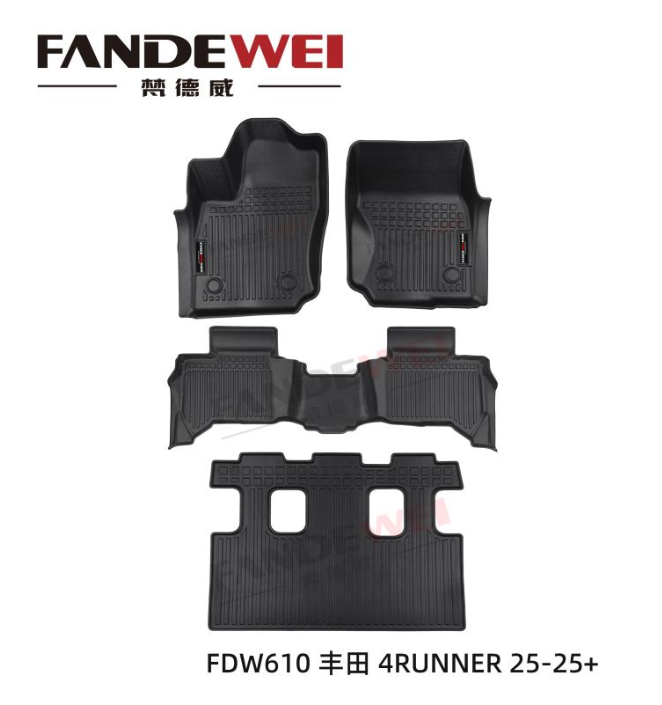
Most of us instinctively reach for rubber mats once the first snow falls. They do a decent job trapping slush, but the real culprit behind those crusty white rings isn't the mat itself—it's the road salt that dries into the fibers and then gets ground deeper every time you step in. Rubber's slightly porous surface gives salt crystals a perfect hiding spot, and no amount of shampooing pulls them out completely once they've set.
Swapping to closed-cell TPE or PVC liners changes the math entirely. These materials have a smooth, non-absorbent skin that salt simply can't sink into. The granules sit right on top, where a quick shake or a damp cloth lifts them away before they have time to bond. You stop fighting stains and start just wiping them off—that's the real end to winter floor damage.
Pair that swap with a quarterly rinse using lukewarm water and a mild detergent, and you've essentially deleted the salt-stain cycle from your car's interior. No specialty sprays, no scrubbing on hands and knees. Just a different material choice that works quietly all season long.
Why Deep Channels Matter More Than Brand Names
Deep channels put your product in the exact physical spots where decisions actually happen. A brand name is a memory, but a channel is a presence—and when someone is tired, thirsty, or in a hurry, presence beats memory every time. A small beverage label might generate plenty of social media chatter, yet if it never shows up on the convenience store shelf, that chatter evaporates at the point of purchase. The shopper reaches for whatever is within arm's reach, and deep distribution makes that default choice yours.
Loyalty to a brand name is often overstated. Most buying choices are made in the few seconds facing a shelf, and people won't walk an extra three blocks just to honor a logo. Deep channels work by turning the unfamiliar into the ordinary through repeated exposure and easy access. A brand that shows up in corner shops, gas stations, and vending machines—even with a plain name—gradually becomes the assumed reliable option. The name matters less than the fact that it is always there.
Deep channels also close the feedback loop that a name alone cannot. Retail partners provide shelf placement, promotional push, and real-time sales data, all of which steer product tweaks and restocking decisions far faster than any advertising campaign. The brands that endure are not necessarily the ones with clever names or famous logos, but the ones woven into daily routines—the ones you find without thinking. That kind of quiet ubiquity is built through channel depth, not brand rhetoric.
A Five-Minute Test to Spot Mats That Will Crack by Spring
Before winter sets in, grab a mat from your doorway and flex a corner sharply. If the surface shows pale stress lines or tiny fissures after a single hard bend, it has already lost the oils that keep rubber supple. A healthy mat should spring back without leaving a mark in the crease.
Next, pour half a cup of cold water onto the center and watch how it moves. Mats that will survive until spring let water bead and roll off within ten seconds. If the water soaks in and darkens the fibers, the backing is likely breaking down, and freeze-thaw cycles will turn that moisture into cracks long before March.
Finally, check the underside corners. Press your thumbnail into the material for five seconds. If the dent doesn't fade completely after you remove your nail, the mat is too brittle to handle temperature swings. Swapping it out now costs far less than sweeping up rubber crumbs in late February.
What Minivan Owners Know About Rear-Seat Coverage That Others Miss
Ask a minivan owner about rear-seat coverage and you'll get an earful about the spots most drivers never think to protect. The floor between the second-row captain's chairs isn't flat—it's broken up by seat tracks, hinges, and plastic trim that catch every Goldfish cracker and drop of juice. A standard all-weather mat stops short of the door sill, so slush and playground sand work their way underneath. Owners learn to cut their own mat extensions, tuck in cheap runners, or buy full-width liners that reach all the way to the sliding door track.
The seat backs are another blind spot. Kids in the second and third rows push their shoes against the front seats, leaving scuffs that don't wipe off. A set of simple fabric or vinyl protectors hanging from the headrests takes the abuse instead. And when the third row folds flat for a Costco run, the cargo area needs a liner that can bend with the seat hinge. Otherwise, the first hard stop sends a case of water into the exposed carpeted back. These are the fixes that seem obvious after a few months, but you rarely see them mentioned in a quick accessory roundup.
Cleaning Without the Chemicals: A Simple Weekend Routine
Saturday mornings used to involve a bucket of bleach and a lingering headache. The switch came when I realized a few pantry staples could handle most messes without the fumes. Start with white vinegar and baking soda for the bathroom — sprinkle soda on stubborn sink stains, spray vinegar over it, let the fizz do the scrubbing, then rinse. It’s not magic, just basic chemistry, and it leaves the room smelling like nothing at all.
For glass and mirrors, mix equal parts water and vinegar in a spray bottle, add a drop of dish soap if the grime is heavy. Wipe with a microfiber cloth in one direction; old newspaper works surprisingly well for a streak-free finish. Lemon juice tackles hard water spots on faucets, and a cut lemon rubbed over cutting boards deodorizes them faster than any commercial spray.
Set a timer for two hours, put on some music, and move room by room. Keep the routine light — dust first, then surfaces, then floors. A damp cloth with a tiny bit of castile soap handles wood and tile without buildup. By Sunday afternoon, the house feels clean because it is clean, not because it smells like a chemical factory.
FAQ
All-weather mats use rugged materials like thermoplastic elastomer or heavy-duty rubber with deep channels and raised edges. They're designed to trap water, mud, snow, and spills instead of letting them soak through. Standard carpet mats mostly catch dry dirt and wear out quickly once moisture gets involved.
Most top options include molded anchor points that line up with your vehicle's factory retention system. That prevents the mat from sliding forward and interfering with pedals. Still, it's wise to confirm the brand lists your exact make, model, and year as compatible.
Quality rubber and TPE mats stay flexible well below freezing, so they won't crack when you knock snow off your boots. In hot climates, they resist warping and don't give off a strong chemical smell. Cheaper PVC blends tend to stiffen or curl under those conditions, which is why material matters more than thickness alone.
Yes, for most everyday grime a quick rinse works, and a soft brush with mild soap handles dried mud or salt stains. Avoid petroleum-based cleaners or tire shine, because those can leave a slick residue on the tread surface. Let them air dry fully before snapping them back in.
Good ones have a dense but slightly pliable construction that absorbs some vibration rather than adding harshness. You might notice a subtle change compared to plush carpet, especially under heavy rain, but the trade-off is a much easier cleanup and longer-lasting cabin protection.
Prioritize deep, continuous channels around the edges and a high lip, especially near the door sill. A one-piece rear mat or full-coverage second-row liner helps keep slush from reaching the carpet underneath. Also check that the mat extends under the accelerator area without bunching.
Definitely. They keep the original carpet from staining or matting down, which helps avoid wear-and-tear fees at lease return. Since they're removable, you can restore the factory look in minutes and keep the mats for your next car if the fit carries over.
Conclusion
When the weather turns, car floors take a beating that most owners don't notice until the damage is done. Rain, slush, and gravel become a grinding paste that works into carpet fibers, while road salt leaves behind white stains that regular mats can't stop. The fix isn't a fancier brand name—it's swapping to materials that simply don't absorb moisture. Look for mats with deep, continuous channels that trap water and debris instead of letting it slosh onto the carpet. Those channels do the real work, guiding slush toward a contained edge rather than spreading it across the footwell. A quick flex test helps too: bend a corner sharply, and if the surface shows white stress marks or feels brittle, it will likely crack by spring. The best all-weather mats stay flexible even in freezing temperatures, because that's what keeps them sealed against the floor when your boots are covered in snow.
There's also a practical side most drivers overlook until they've lived with a full vehicle. Minivan owners, for instance, know that rear-seat coverage has to extend under the seats and into the middle hump—areas where cheap mats leave bare carpet. That extra few inches prevents the muddy boots of back-seat passengers from leaving permanent marks. When it comes to upkeep, you don't need harsh chemical sprays or specialty cleaners. A simple weekend routine of shaking out the mats, rinsing them with a hose, and scrubbing with a soft brush takes less than ten minutes. Let them air dry completely before putting them back, and they'll keep looking like new without any residue that could make the pedals slippery. Year-round protection is less about buying the most expensive set and more about choosing materials, channel depth, and full coverage that actually hold up.
Contact Us
Contact Person: Jet
Email: [email protected]
Tel/WhatsApp: 8619903745266
Website: https://www.fandewei.com/