
Top 10 Hastelloy Alloys: Essential Guide for High-Performance Corrosion Resistance and Durability
2026-01-24
In the demanding world of industrial materials, corrosion resistance isn't just a feature—it's a necessity. From chemical processing to marine environments, the right alloy can mean the difference between seamless operations and costly downtime. That's where Hastelloy alloys shine, offering unparalleled performance under extreme conditions. In this guide, we'll explore the top 10 Hastelloy alloys that are essential for high-performance applications, diving into their unique properties and real-world uses. Whether you're an engineer, a procurement specialist, or simply fascinated by advanced materials, this post will equip you with the knowledge to make informed decisions. At Jiangsu Baowu New Materials, we're committed to pushing the boundaries of material science, and we're excited to share insights that could transform your next project. Ready to discover which alloy stands out in the crowd? Let's get started.
Exploring the Superior Properties of Hastelloy C-276 Alloy
Hastelloy C-276 stands out in the realm of nickel-based alloys due to its exceptional resistance to a wide range of corrosive environments. This high-performance material is often the go-to choice for applications where durability under harsh chemical conditions is paramount, such as in chemical processing plants, pollution control systems, and marine engineering. Its ability to withstand pitting, stress-corrosion cracking, and oxidizing agents makes it a reliable option for industries that demand long-term stability and minimal maintenance, ensuring operational efficiency even in the most demanding scenarios.
One of the key features that sets Hastelloy C-276 apart is its versatility across various temperatures and media. Unlike some alloys that excel only in specific acidic or alkaline settings, this alloy maintains its integrity in both reducing and oxidizing atmospheres, from room temperature to elevated heat levels. This broad compatibility reduces the need for multiple materials in complex systems, simplifying design and lowering overall costs. Its robustness in handling chlorides, sulfuric acid, and other aggressive chemicals contributes to its widespread adoption in sectors like pharmaceuticals and waste treatment, where contamination risks are critical.
Beyond its chemical resilience, Hastelloy C-276 also offers excellent mechanical properties that enhance its practical use in structural applications. It provides good tensile strength and toughness, allowing it to be fabricated into various forms such as sheets, plates, and tubing without significant loss of performance. This workability, combined with its weldability and thermal stability, makes it a preferred material for custom solutions and repair work in aging infrastructure. As industries evolve towards more sustainable and efficient practices, this alloy's ability to extend equipment lifespan and reduce downtime continues to reinforce its value in modern engineering projects.
Innovative Applications of Hastelloy B-3 in Extreme Environments
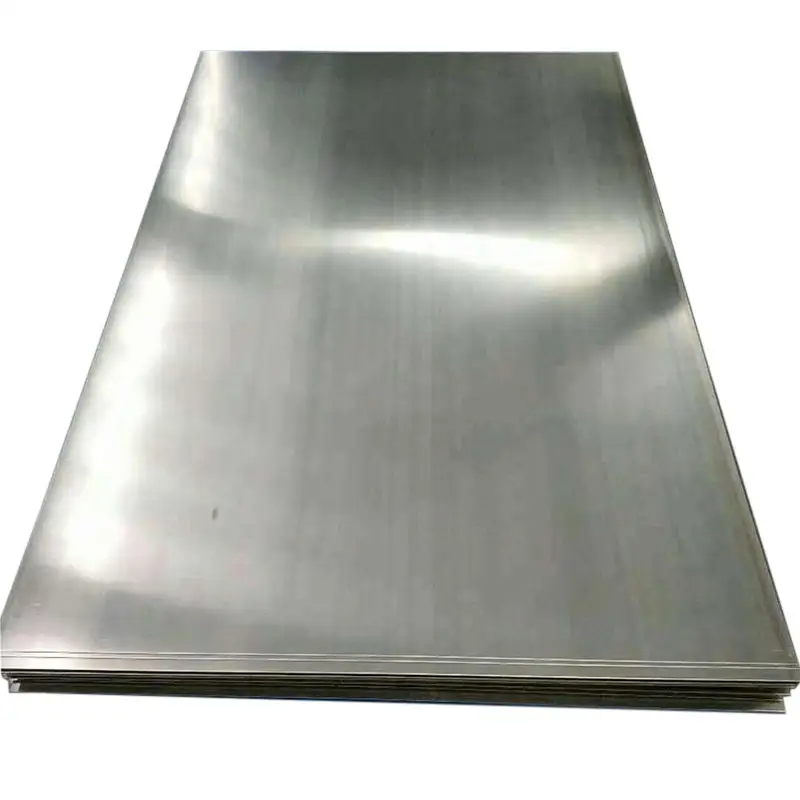
Hastelloy B-3 excels in extreme environments where high temperatures and corrosive media converge, making it a go-to material for industries that push operational boundaries. Its nickel-base alloy composition, enhanced with molybdenum and chromium, offers exceptional resistance to hydrochloric acid and reducing conditions, outperforming many traditional materials like stainless steels. This has led to cutting-edge uses in chemical processing plants, where reactors and piping systems withstand aggressive acids at elevated temperatures, minimizing downtime and maintenance costs while boosting safety and efficiency. In aerospace, Hastelloy B-3 is employed in exhaust and propulsion components exposed to harsh thermal and chemical stresses, ensuring durability in missions that encounter corrosive atmospheres or extreme heat. These applications are driving innovations in material science, enabling more robust and reliable designs in sectors from petrochemicals to advanced manufacturing.
Another groundbreaking application lies in the nuclear and energy sectors, where Hastelloy B-3's stability under irradiation and resistance to stress corrosion cracking is critical. It's used in components for nuclear reactors and waste-handling systems, where materials must endure prolonged exposure to radioactive and chemically aggressive environments without degrading. This helps enhance the longevity and safety of facilities, supporting the shift toward more sustainable energy solutions. Additionally, in offshore oil and gas operations, the alloy protects equipment from seawater corrosion and hydrogen sulfide exposure, reducing failure risks in deep-sea drilling rigs and pipelines.
In the realm of environmental engineering, Hastelloy B-3 is finding novel roles in pollution control and waste treatment, such as in scrubbers and flue gas desulfurization units that combat acidic emissions. Its ability to perform in sulfuric acid-laden atmospheres makes it ideal for air quality improvement projects, aligning with global efforts to reduce industrial pollutants. By adapting to these diverse and demanding settings, Hastelloy B-3 not only solves existing challenges but also opens doors to future innovations, from space exploration to renewable energy systems, showcasing how advanced materials can transform our approach to extreme conditions.
Cost-Effective Corrosion Solutions with Hastelloy G-30
Hastelloy G-30 offers a compelling balance between durability and cost-efficiency in corrosive environments, making it a go-to choice for industries ranging from chemical processing to waste management. Unlike some exotic alloys that drive up project budgets unnecessarily, this nickel-chromium-molybdenum superalloy stands out by resisting a wide range of aggressive media—such as phosphoric and sulfuric acids—without the premium price tag often associated with similar materials. Its ability to maintain structural integrity in harsh conditions translates into fewer maintenance cycles and extended service life, directly cutting long-term operational expenses and reducing downtime.
What sets Hastelloy G-30 apart is its versatility in handling complex corrosion challenges without compromising on affordability. Engineers and specifiers appreciate its performance in mixed-acid systems and oxidizing environments, where it outperforms many standard stainless steels and lower-grade alloys. By opting for G-30, companies can achieve robust protection against pitting, crevice corrosion, and stress-corrosion cracking, all while staying within budget constraints. This practical advantage makes it a smart investment for applications like flue gas desulfurization, pickling operations, and nuclear fuel reprocessing, where reliability and cost control are paramount.
In today's competitive landscape, selecting Hastelloy G-30 means embracing a solution that blends technical excellence with economic sense. Its proven track record in demanding settings ensures reduced equipment failures and lower lifecycle costs, fostering sustainable operations. With easy availability and compatibility with standard fabrication techniques, it streamlines procurement and installation processes, further enhancing its cost-effectiveness. Whether for new builds or retrofits, this alloy delivers peace of mind by mitigating corrosion risks efficiently, proving that high performance doesn't have to come at a prohibitive price.
Enhancing Durability with Hastelloy X in High-Temperature Settings
In environments where temperatures climb relentlessly, materials often falter under extreme thermal stress and corrosive elements. Hastelloy X stands out as a robust nickel-based superalloy engineered precisely for such demanding scenarios. Its composition, rich in chromium and molybdenum, grants exceptional resistance to oxidation and carburization, ensuring components maintain structural integrity even when exposed to continuous high heat. This durability translates directly to reduced maintenance needs and extended operational lifespans, making it a go-to choice for industries like aerospace and power generation where failure is not an option.
Beyond just withstanding heat, Hastelloy X excels in preserving mechanical properties under thermal cycling, which can cause other alloys to crack or degrade. It retains impressive tensile strength and creep resistance at temperatures up to 1200°C (2192°F), a critical factor in applications such as gas turbine components or industrial furnace parts. This reliability helps prevent unexpected downtime, offering a smoother, more efficient workflow in facilities that rely on constant high-temperature operations. By leveraging this material, engineers can design systems that not only endure harsh conditions but also perform consistently over time.
What truly sets Hastelloy X apart is its balanced blend of fabricability and long-term performance, allowing for complex shapes and welds without sacrificing durability. In sectors like chemical processing or heat treatment, where aggressive atmospheres are common, its versatility ensures it adapts to diverse high-temperature settings while resisting corrosion from sulfur compounds and other contaminants. This adaptability makes it not just a passive barrier but an active contributor to enhanced safety and efficiency, solidifying its reputation as a cornerstone material for pushing boundaries in thermal engineering.
Versatile Uses of Hastelloy C-22 Across Multiple Industries
In the chemical processing sector, Hastelloy C-22 stands out for its exceptional resistance to a wide range of corrosive environments, from harsh acids to oxidizing media. Its unique composition allows it to handle everything from sulfuric acid in pickling operations to chlorine gas in bleaching processes, making it a go-to material for reactors, heat exchangers, and piping systems that demand reliability under severe conditions.
Beyond chemicals, this alloy plays a critical role in pollution control equipment, where it withstands flue gas desulfurization and wastewater treatment environments without succumbing to pitting or stress corrosion cracking. Its versatility extends to pharmaceutical manufacturing, where it ensures product purity by resisting contamination from aggressive sterilants and cleaning agents, proving indispensable in maintaining stringent hygiene standards.
In the marine and oil & gas industries, Hastelloy C-22 demonstrates its robustness by enduring seawater exposure and sour gas environments rich in hydrogen sulfide. Its ability to perform reliably in subsea components, offshore platforms, and downhole tools highlights its adaptability, reducing maintenance costs and enhancing operational safety across diverse industrial landscapes.
Advancements in Alloy Design: Hastelloy C-2000 Breakthroughs
Hastelloy C-2000 represents a significant leap forward in alloy technology, born from a collaboration between materials scientists and industry leaders in the 1990s. Unlike its predecessors, which often struggled with balancing corrosion resistance and mechanical properties, C-2000 introduced a novel composition that includes high molybdenum and chromium levels, enhanced by a touch of copper. This blend didn't just tweak existing formulas—it redefined them, offering superior performance in harsh environments like chemical processing and flue gas desulfurization. The breakthrough lay in its ability to withstand oxidizing and reducing acids simultaneously, a feat that earlier alloys couldn't achieve without sacrificing durability.
One of the most compelling aspects of Hastelloy C-2000 is its versatility across diverse applications. Engineers have harnessed it for everything from heat exchangers in power plants to reactors handling aggressive media, thanks to its resistance to pitting and stress corrosion cracking. Real-world tests in sulfuric and hydrochloric acid solutions have shown it outperforming many alternatives, leading to longer equipment lifespans and reduced maintenance costs. This adaptability has made it a go-to solution for industries seeking reliability in corrosive settings, setting a new benchmark for operational efficiency.
The development of Hastelloy C-2000 also paved the way for broader innovations in material science. By proving that a single alloy could excel in multiple corrosive scenarios, it inspired further research into hybrid compositions and advanced manufacturing techniques like powder metallurgy. Today, its legacy endures as a testament to how targeted alloy design can address complex industrial challenges, shaping future standards in sectors from energy to pharmaceuticals.
FAQ
Hastelloy alloys excel due to their high nickel, chromium, and molybdenum content, which create a protective oxide layer that resists pitting, crevice corrosion, and oxidation in harsh environments like acids and chlorides.
C-276 offers excellent resistance to a wide range of corrosive media, including wet chlorine, while C-22 provides enhanced stability against oxidizing acids and mixed acids, making it more versatile in aggressive chemical processes.
Hastelloy B-3 contains high levels of nickel and molybdenum with low iron, giving it exceptional resistance to hydrochloric acid and other reducing conditions where other alloys might corrode rapidly.
Yes, many Hastelloy grades, such as X and N, maintain strength and oxidation resistance at elevated temperatures up to 1200°C, making them suitable for furnace components and heat exchangers.
Industries like chemical processing, pharmaceuticals, oil and gas, and aerospace frequently use Hastelloy due to its ability to handle corrosive chemicals, high temperatures, and demanding mechanical stresses.
Most Hastelloy alloys are designed for good weldability with minimal post-weld heat treatment, allowing for fabrication of complex structures without compromising corrosion resistance in welded joints.
Consider the specific corrosive media, temperature ranges, mechanical load requirements, and fabrication needs, as different grades like C-276, B-2, or G-30 offer tailored properties for varied conditions.
Conclusion
Hastelloy alloys stand as premier materials for demanding industrial applications, offering exceptional corrosion resistance and durability in harsh environments. Exploring the superior properties of Hastelloy C-276 alloy reveals its robustness against a wide range of aggressive chemicals, making it a staple in chemical processing and pollution control. Innovations with Hastelloy B-3 further enhance performance in extreme conditions, such as sulfuric and hydrochloric acid environments, where reliability is paramount. Cost-effective solutions with Hastelloy G-30 provide a balanced approach, resisting corrosion while maintaining affordability, ideal for phosphoric acid and nitric acid applications.
Enhancing durability in high-temperature settings is a hallmark of Hastelloy X, which excels in aerospace and gas turbine components, thanks to its oxidation resistance and strength. The versatile uses of Hastelloy C-22 across multiple industries, including pharmaceuticals and marine engineering, underscore its adaptability to varied corrosive media. Advancements in alloy design, exemplified by the Hastelloy C-2000 breakthroughs, push the boundaries with improved performance against oxidizing and reducing acids. These alloys collectively form an essential guide, enabling industries to achieve longevity and efficiency, whether in chemical plants, power generation, or specialized manufacturing, ensuring safety and cost savings in the long run.
Contact Us
Contact Person: Zoe Liang
Email: [email protected]
Tel/WhatsApp: 86 189 2128 6299
Website: https://www.baowuchina.com