
Top 10 Flame Resistant Clothing Essentials for High-Risk Workplaces
2026-11-18
Most people only think about flame-resistant clothing after an incident. That’s too late. In high-risk workplaces—where flash fire, arc flash, and molten splash are daily hazards—your gear has to be the last line of defense before anything goes wrong. This guide covers the ten FR essentials we wouldn’t skip, from the first layer to the outermost shell. You’ll find no filler, just practical pieces that actually perform when the heat is on. For teams ready to move beyond stiff, shrink-prone FR, DROTEX has fabrics built for real working conditions.
What Fabric Weight Labels Fail to Reveal About Real Heat Exposure
A fabric’s gram weight tells you how much material is packed into a square meter, but it says almost nothing about how that material behaves against your skin on a hot day. Two jackets can share the same 180 GSM rating and feel completely different once the sun hits them—one traps a humid pocket against your back, the other lets air move through the weave and cools as sweat evaporates. The label reduces heat exposure to a static number, but heat is never static. It arrives through radiation, builds up inside your clothing system, and escapes only if the construction allows it.
What actually drives that feeling of overheating is a mix of weave density, fiber shape, surface finish, and fit, none of which appears on the usual care tag. A heavyweight open-weave cotton can breathe far better than a featherweight ripstop nylon with a tight calendar finish, because the cotton leaves channels for convection while the nylon seals a thin film of air near the skin. Dark colors also absorb more infrared energy than light ones, and a close athletic cut can reduce the pumping effect that moves air as you walk. Weight alone misses all of this.
If you want to judge real heat exposure, ignore the grams for a moment and pay attention to how a garment behaves in motion. Look for visible porosity, gusseted vents, textured yarns that lift the fabric off your skin, and any coating that might block moisture transfer. A lighter label number can be a marketing comfort, not a thermal one.
Why a Higher Arc Rating Can Still Leave Workers Vulnerable
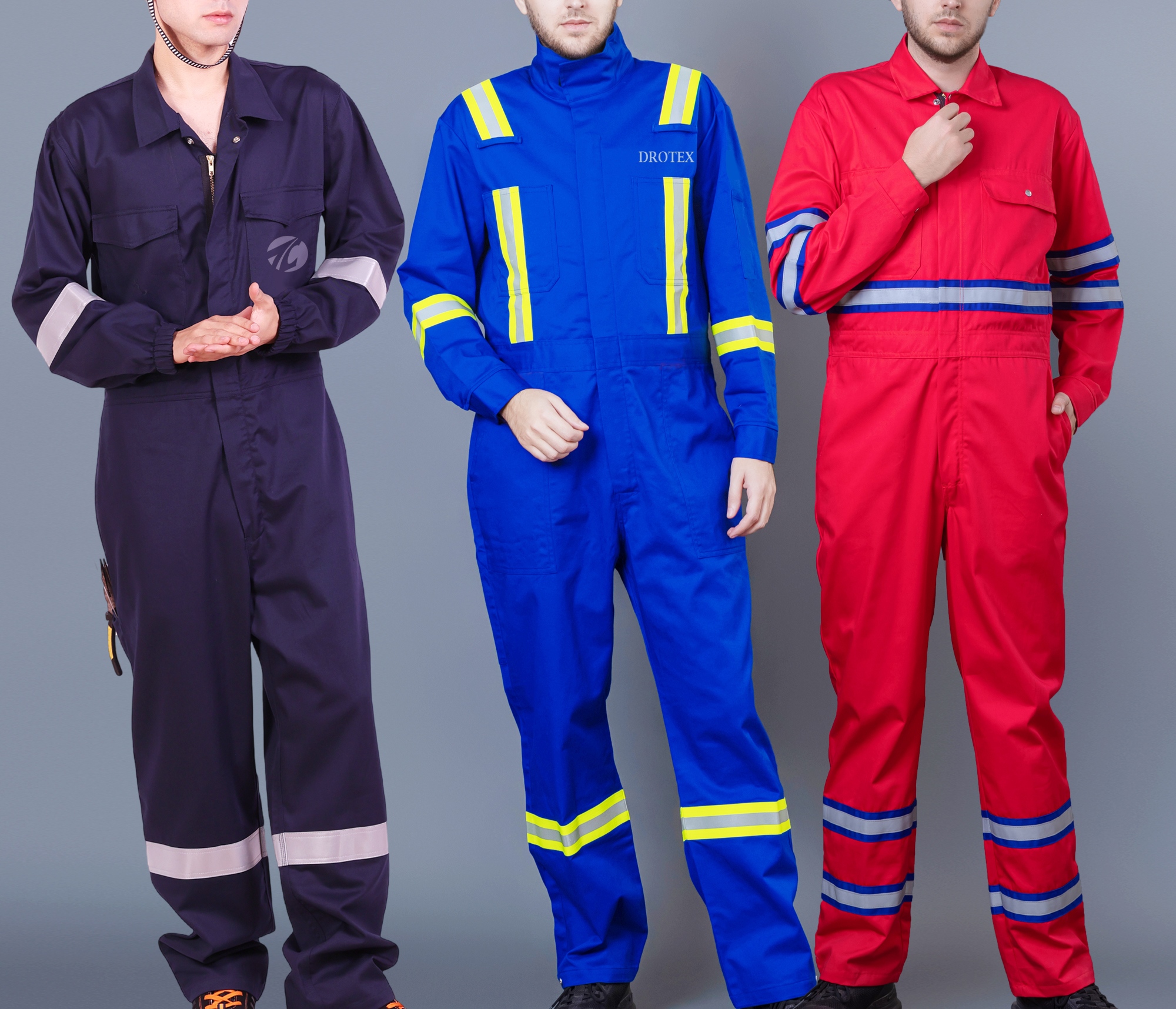
A higher arc rating tends to be read as a bigger safety margin, but that number only captures one slice of the hazard. The test behind the label measures thermal energy needed to cause a second-degree burn through fabric, not the blast pressure, flying debris, molten metal, or the intense sound and light that often accompany an arc flash. A worker wearing a 40 cal/cm² suit can still be knocked down, cut, or burned through openings at the neck, wrists, or face if the garment system isn’t zipped, layered, and paired with the right hood, gloves, and balaclava.
The rating also says little about how the gear performs on an actual job after months of laundering, abrasion, sweat exposure, and repairs. Contamination, rips, or worn areas can reduce the real protection well below what the original label suggests. Meanwhile, heavier high-rated fabrics often trap heat and limit movement, so workers may unzip, remove hoods, or skip layers during long shifts. In that gap between how a garment is tested and how it is actually worn, the extra rating can quietly disappear.
It helps to treat arc rating as a starting point rather than a guarantee. A meaningful reduction in risk comes from matching the full arc flash analysis to the task, considering incident energy, working distance, equipment condition, and the entire clothing system. When the focus narrows to one number on a tag, crews can end up overprotected on paper and underprotected in the places that matter most.
The Base Layer Choices That Quietly Compromise Thermal Protection
Some base layers fail long before they look worn out. Cotton is the obvious offender, but even poly-cotton blends hold sweat against the skin and break the microclimate your body is trying to maintain. Once moisture saturates the fabric, evaporative cooling pulls heat away far faster than the outer layers can replace it. A long-sleeve tee that feels warm indoors often becomes a liability halfway up a climb.
Fit is another quiet threat. A base layer that fits too snugly flattens the fibers and squeezes out the still air that does most of the insulating. Too loose, and every movement pumps warm air out and cold air in around the neck, cuffs, and hem. Over time, stretched collars and thinned fabric under pack straps create small openings that matter more than the weight of any midlayer.
Then there is the assumption that a thicker midlayer can cover for a weak base layer. It cannot. If the layer next to your skin is slow to dry or already soaked, you end up regulating temperature around damp fabric instead of dry insulation. The result is the same: chills appear even when the conditions feel manageable, and the failure is usually blamed on the jacket rather than the first thing you put on.
How Restrictive Cuts Lead to Unsafe Wear Habits in the Field
When sleeves and shoulders are cut so close that reaching overhead becomes a fight, workers stop using the garment the way it was designed. Zippers get left half open, cuffs get rolled, and side vents stay unclipped because that extra inch of movement matters more than the protection spec. The result is a uniform that looks serviceable on a rack but leaves wrists, necks, and torsos exposed exactly where sparks, chemicals, or rotating equipment are most likely to catch.
The same issue shows up with layering. If a jacket binds across the back or digs in at the armpit, people will skip the mid-layer, loosen the waist, or buy a size up and then roll the sleeves. Oversized gear brings its own hazards: dragging hems, snagged cuffs, and extra fabric near moving parts. Once these adjustments become routine, they get passed along as just how we wear it, making the unsafe habit hard to trace back to the original cut.
Everyday Wash Routines That Shorten Flame-Resistant Performance
Most wearers assume that keeping flame-resistant clothing clean is enough, but the real damage often happens inside the washer before the first sign of fading shows. Routine choices like using liquid bleach, heavy-duty stain removers, or fabric softeners gradually strip away the chemical treatments and fiber blends that give FR garments their protective edge. Even a small amount of chlorine bleach can weaken the fabric's self-extinguishing ability, while dryer sheets can coat the surface with a flammable residue that builds up over time.
Washing temperatures and mechanical action also play a bigger role than people expect. Hot water breaks down finishes faster, and aggressive spin cycles or overloading can abrade the outer shell of the garment. When dirt, oil, and sweat are not fully rinsed out, those contaminants sit in the weave and become fuel if the clothing is exposed to heat or flame. The problem is not always visible: a shirt can look clean and still hold residues that undercut its arc flash or flash fire protection.
Drying habits add another layer of risk. High heat settings shrink or stiffen the fabric, and static control products introduce films that are hard to remove once they set. Instead of treating FR clothing like everyday workwear, it helps to separate it from non-FR laundry, turn garments inside out, use mild detergents free of additives, and skip anything designed to soften or add fragrance. Those small adjustments keep the protective properties intact far longer than standard wash routines.
Mapping Garment Features to Actual Hazard Zones Instead of Generic Roles
The label on a garment rarely tells you where it fails. A jacket sold for "maintenance technicians" may carry heavy insulation across the back while leaving the inside of the upper arm exposed to the exact steam line or hot casing that technicians lean over most often. Treating protection as a job title rather than a spatial problem creates blind spots that only show up during an incident.
Mapping instead starts with the body zones that actually meet the hazard. For a task involving low-level arc flash and grinding sparks, the chest, non-dominant forearm, and front thigh may need a higher fabric weight, while the lower back can stay lighter and more breathable. Those decisions come from watching task posture, tool direction, and the duration of exposure, not from a generic catalog of role-based uniforms.
Once that map exists, procurement and safety teams can compare materials by zone rather than by whole-garment categories. A flame-resistant shirt with reinforced shoulder panels and a lighter mesh back may serve a worker better than a standard coverall, even if both are rated for the same nominal role. The garment becomes less about naming who wears it and more about answering what each part of the body is up against.
FAQ
FR fabric is engineered to self-extinguish once the ignition source is removed, cutting down on burn injury severity instead of continuing to burn like ordinary cotton or polyester blends.
Anyone exposed to arc flash, flash fire, molten metal splash, or combustible dust should treat it as daily wear, including electricians, linemen, oil and gas crews, chemical operators, and foundry workers.
Air gaps between layers add insulation and reduce heat transfer. A base layer, mid layer, and outer shell also let workers adjust to changing conditions without compromising protection.
Check the fabric weight, breathability, reinforced stitching, and whether the shirt carries the right hazard rating for the job. A comfortable fit matters more than many people expect because workers are less likely to roll up sleeves or leave it unbuttoned.
They can be, but only if they match the specific hazard. Denim FR tends to be lighter and favored for hot environments, while heavier pants offer better thermal insulation for flash fire or foundry exposure.
Washing with harsh detergents, fabric softeners, or bleach can degrade the flame-resistant finish or damage the fibers. Following the care label and doing regular inspections for holes, stains, or worn areas keeps the protection intact.
Small tears can sometimes be mended with FR thread and patches, but any repair must maintain the garment's protective rating. If the damage is over a high-risk area or the fabric is thin, replacement is safer.
Exposed skin can still suffer serious burns even when the torso and legs are covered. FR balaclavas, gloves, and neck gaiters protect vulnerable areas and prevent gaps in coverage where heat can reach the skin.
Conclusion
Flame resistant clothing choices based only on fabric weight or a single arc rating number often miss what actually happens on the job. A heavier shirt does not automatically mean better protection when heat is trapped close to the skin, and garments with impressive lab scores can still leave wrists, neck, and stomach exposed if the cut pulls, gaps, or rides up during movement. Base layers matter just as much as outer shells; synthetic fibers under a rated coverall can melt or ignite before the outer fabric fails, quietly undoing the protection workers assume they have. Comfort and range of motion are not preferences. When sleeves bind at the shoulder or pants restrict a deep crouch, people unzip, roll up cuffs, or leave closures open, creating entry points for burns. The right gear has to fit the way workers actually move, not just the way it looks on a sizing chart.
Washing habits erode protection faster than many crews realize. Hard water, chlorine bleach, fabric softeners, and high-heat drying can degrade flame-resistant finishes or damage fibers long before visible wear appears, so a garment may look fine and still underperform in a flash fire. Instead of buying by generic job title, hazard mapping helps. A welder working near sparks needs different coverage than an electrician facing arc flash, and even within the same crew, tasks change through a shift. The most useful essentials combine documented flame resistance with details like covered zippers, reinforced high-wear zones, and layering pieces that do not undermine the outer shell. In high-risk workplaces, protection lives in those small decisions, whether a collar is fastened, whether a base layer is truly flame resistant, and whether the gear is cleaned and inspected after every exposure.
Contact Us
Contact Person: Sandy
Email: [email protected]
Tel/WhatsApp: 86150 8310 5120
Website: https://www.frdrotex.com