Sanitary Pad Machinery Production: Key Innovations for Modern Hygiene Manufacturing
2026-04-22
In the ever-evolving landscape of hygiene manufacturing, the production of sanitary pads stands as a critical yet often overlooked frontier. With innovations in machinery driving efficiency, hygiene, and sustainability, modern manufacturing is transforming how we approach personal care. At Womeng, we're at the forefront of this revolution, crafting cutting-edge solutions that redefine industry standards. This blog delves into the key innovations in sanitary pad machinery—from automation to eco-friendly materials—exploring how these advancements are shaping the future of hygiene production and empowering brands worldwide. Join us as we uncover the engineering marvels behind today's most essential products.
Advanced Manufacturing Technologies in Sanitary Pad Production
In the realm of sanitary pad production, the integration of AI-driven automation and IoT sensors has revolutionized the process, enabling real-time monitoring of material flow and production parameters. This ensures consistent product quality while minimizing human error, a leap forward from traditional methods. Unlike standard practices, these advanced systems utilize predictive algorithms that forecast equipment maintenance needs, reducing downtime and enhancing overall efficiency, which sets them apart in a crowded market.
Another key innovation is the application of 3D printing and laser-cutting techniques to create intricate pad designs with superior absorbency and comfort. These technologies allow for precise customization of core materials and layers, optimizing performance based on specific user needs, such as varying flow levels. This approach not only improves functionality but also adds a layer of personalization that competitors often overlook, making products stand out through tailored features.
Moreover, the adoption of sustainable manufacturing processes, like waterless production and biodegradable material usage, is powered by advanced recycling systems and energy-efficient machinery. This not only reduces environmental impact but also appeals to eco-conscious consumers, differentiating brands in an industry where green initiatives are becoming a significant selling point. By combining high-tech with sustainability, manufacturers can deliver products that are both effective and responsible.
Innovative Materials and Sustainability in Hygiene Products
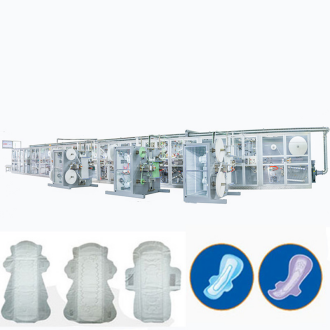
Innovation in hygiene products now centers on materials that enhance both performance and environmental responsibility. From biodegradable bamboo fibers to plant-based plastics, these advancements reduce waste and carbon footprints without compromising on quality or efficacy. This shift reflects a growing consumer demand for products that align with sustainable living, driving manufacturers to rethink traditional designs and sourcing methods.
Beyond basic materials, smart technologies are emerging to boost sustainability, such as water-repellent coatings derived from natural sources or recycled components integrated into packaging. These innovations not only extend product lifespans but also minimize resource use throughout the supply chain. As a result, hygiene items are becoming more eco-friendly, offering users a seamless blend of hygiene benefits and planet-conscious choices.
Looking ahead, the focus on sustainability is poised to deepen, encouraging cross-industry collaborations that push material science boundaries. By prioritizing durability and recyclability, these products foster a circular economy model, reducing landfill contributions and promoting healthier ecosystems. This evolution underscores a commitment to innovation that values both personal well-being and environmental stewardship.
Automation and Efficiency in Modern Pad Assembly Lines
In today's fast-paced manufacturing landscape, automation has revolutionized pad assembly lines by integrating robotics and AI-driven systems that handle tasks from material handling to precision assembly. These lines leverage smart sensors and real-time data analytics to optimize workflows, ensuring consistent quality while slashing production times. By automating repetitive processes, companies can focus human expertise on complex problem-solving and innovation, leading to a more agile and responsive production environment that meets evolving market demands.
Efficiency gains are further enhanced through modular designs and flexible automation setups, allowing assembly lines to quickly adapt to different product types or changes in consumer preferences without extensive downtime. This adaptability not only boosts output but also reduces waste and energy consumption, contributing to more sustainable manufacturing practices. As a result, modern pad assembly lines aren't just about speed—they're about creating smarter, eco-friendlier operations that deliver cost savings and higher performance across the board.
Looking ahead, the synergy between automation and efficiency is poised to deepen with advancements in IoT connectivity and predictive maintenance, enabling even greater reliability and seamless integration across supply chains. This evolution promises to keep assembly lines at the forefront of industrial innovation, driving continuous improvement in product quality and operational excellence.
Quality Control and Safety Standards in Manufacturing
In the fast-paced world of manufacturing, quality control and safety standards serve as the foundation for operational excellence and consumer trust. These practices are not just about meeting regulatory benchmarks; they encompass a holistic approach to minimizing defects, ensuring product reliability, and safeguarding the well-being of workers and end-users alike. By implementing rigorous testing protocols and continuous monitoring, companies can detect anomalies early, reducing waste and enhancing overall efficiency. This proactive stance helps prevent costly recalls and builds a reputation for dependability in competitive markets.
Safety standards, on the other hand, go beyond compliance to foster a culture of care and responsibility within the manufacturing environment. From the use of personal protective equipment to machine guarding and emergency procedures, these measures are designed to protect employees from hazards and create a secure workspace. When safety is prioritized, it not only reduces accidents and downtime but also boosts employee morale and productivity, leading to a more engaged and effective workforce.
Integrating quality control and safety into the manufacturing process requires a dynamic and adaptable framework that evolves with technological advancements and industry trends. Innovations such as real-time data analytics and automated inspection systems can enhance precision and speed, while ongoing training ensures that teams stay updated on best practices. By weaving these elements into the fabric of daily operations, manufacturers can achieve sustainable growth, deliver superior products, and uphold their commitment to community and environmental stewardship.
Customization and Flexibility for Evolving Consumer Needs
In today's fast-paced world, consumer preferences are constantly shifting, driven by new technologies, social trends, and personal experiences. Companies that can adapt quickly and offer tailored solutions are more likely to build lasting relationships with their customers. By embracing customization, businesses can move beyond one-size-fits-all approaches, allowing individuals to shape products and services to match their unique lifestyles and changing demands.
Flexibility isn't just about having multiple options; it's about creating a dynamic ecosystem where consumers feel empowered to modify their choices as their needs evolve. This might involve scalable features, modular designs, or ongoing support that adjusts over time, ensuring that what works today can grow and change without forcing a complete overhaul. It's this forward-thinking adaptability that sets apart brands that merely respond to trends from those that anticipate and shape them.
Ultimately, the focus on customization and flexibility fosters deeper engagement and loyalty, as customers appreciate the effort to understand and cater to their journey. In a market saturated with generic offerings, those who prioritize personalization and adaptability not only meet evolving needs but also inspire innovation, turning everyday interactions into meaningful experiences that stand out in a crowded landscape.
Emerging Trends and Future Directions in Hygiene Machinery
The hygiene machinery industry is undergoing a significant transformation, driven by advancements in automation and smart technologies. Equipment such as industrial cleaners and sanitization systems are increasingly incorporating IoT sensors and AI algorithms to optimize performance, reduce human intervention, and enhance efficiency in diverse settings, from healthcare facilities to manufacturing plants.
Another key trend is the shift towards sustainable and eco-friendly solutions, with manufacturers developing machinery that uses less water, energy, and chemicals. For example, innovations like dry steam cleaners and closed-loop water recycling systems are gaining traction, helping organizations meet stricter environmental regulations while maintaining high hygiene standards.
Looking ahead, the future direction of hygiene machinery points towards greater integration with robotics and predictive maintenance. Autonomous cleaning robots are becoming more sophisticated, capable of navigating complex environments and performing targeted sanitization. Additionally, predictive analytics enable proactive equipment monitoring, minimizing downtime and extending the lifespan of machinery through timely interventions.
FAQ
Recent innovations include the integration of automated quality control systems that use AI to detect defects in real-time, enhancing product consistency and reducing waste.
Advanced machinery now features modular designs and IoT connectivity, allowing for faster production line adjustments and remote monitoring, which boosts throughput and minimizes downtime.
Manufacturers are incorporating eco-friendly materials and energy-efficient processes, such as solar-powered components and biodegradable material handling, to reduce environmental impact.
Automation has introduced robotics for precise assembly and packaging, leading to higher precision, reduced labor costs, and increased safety in manufacturing facilities.
Key challenges include the high initial investment costs, the need for specialized training, and ensuring compatibility with existing infrastructure while maintaining regulatory compliance.
Emerging trends include the use of smart sensors for predictive maintenance, customization capabilities for diverse product lines, and a focus on circular economy models to enhance resource efficiency.
Conclusion
Modern sanitary pad machinery production has undergone a transformative evolution, driven by cutting-edge innovations that reshape hygiene manufacturing. Advanced manufacturing technologies now integrate seamlessly with automation and efficiency, allowing modern assembly lines to operate with precision and speed previously unimaginable. This integration extends to innovative materials and sustainability efforts, where eco-friendly components and reduced waste are prioritized without compromising performance. Together, these advancements enable manufacturers to meet rigorous quality control and safety standards, ensuring products are both reliable and safe for consumers, while also supporting environmental goals through sustainable practices.
Looking forward, the industry continues to adapt through customization and flexibility, catering to evolving consumer needs such as varied product designs and personal preferences. Emerging trends and future directions in hygiene machinery point toward smarter, more connected systems, with enhanced data analytics and IoT integration for real-time monitoring and predictive maintenance. This dynamic landscape not only boosts productivity but also fosters innovation, setting the stage for a future where hygiene manufacturing is more efficient, sustainable, and responsive to global demands, ultimately redefining standards in the sector.
Contact Us
Contact Person: Jessie Lai
Email: [email protected]
Tel/WhatsApp: 86-188594442931
Website: https://www.wm-machinery.com