
S355JR Steel: The Best Choice for Solar Applications in China
2026-02-08
In the quest for sustainable solar solutions, the choice of construction materials plays a pivotal role. As solar projects continue to expand across China, one steel grade stands out: S355JR steel. This material’s unparalleled durability, resistance to weathering, and structural reliability make it an ideal candidate for the demanding solar energy sector. At Energet Solar, we recognize the critical importance of selecting robust materials that ensure long-term performance. In this blog, we’ll explore why S355JR steel is becoming the go-to choice for solar applications in China, and how it can enhance your project’s efficiency and sustainability. Stay tuned to uncover the secrets behind this steel’s rising popularity and how it can power your solar initiatives to new heights.
Exploring the Durability of S355JR Steel in China's Solar Industry
China's solar industry has rapidly expanded to meet its ambitious green energy goals, and the choice of structural materials like S355JR steel plays a critical role in ensuring long-term performance. S355JR, a non-alloy structural steel with improved impact resistance, is increasingly favoured for mounting systems, frames, and support structures in solar installations across diverse climates, from the arid deserts of Northwest China to the humid coastal regions. Its durability stems from a balanced composition that offers good weldability and strength, helping installations withstand environmental stresses such as UV radiation, temperature fluctuations, and moisture exposure common in solar farms.
Unlike some alternatives, S355JR steel's resilience is particularly evident in its ability to maintain structural integrity under cyclic loads typical in solar applications. Many projects in provinces like Xinjiang and Qinghai rely on this material to support photovoltaic panels that experience wind-induced vibrations and snow accumulation. Field studies indicate that properly coated S355JR components exhibit minimal corrosion or fatigue over decades, reducing maintenance costs and enhancing the economic viability of large-scale solar plants. This durability contributes to China's push for sustainable infrastructure, ensuring that solar investments deliver returns well into the future.
As innovation drives the solar sector forward, the enduring nature of S355JR steel is helping manufacturers design lighter yet robust systems that optimise space and efficiency. Emerging applications, such as floating solar arrays on reservoirs, further test its capabilities against water exposure and dynamic forces, with early results showing promising resistance to degradation. By leveraging this steel's proven track record, Chinese engineers are not only reinforcing existing installations but also pioneering next-generation solar technologies that demand materials capable of enduring harsh operational conditions without compromising safety or performance.
Comparative Strengths: Why S355JR Outperforms Other Steels in Solar Installations
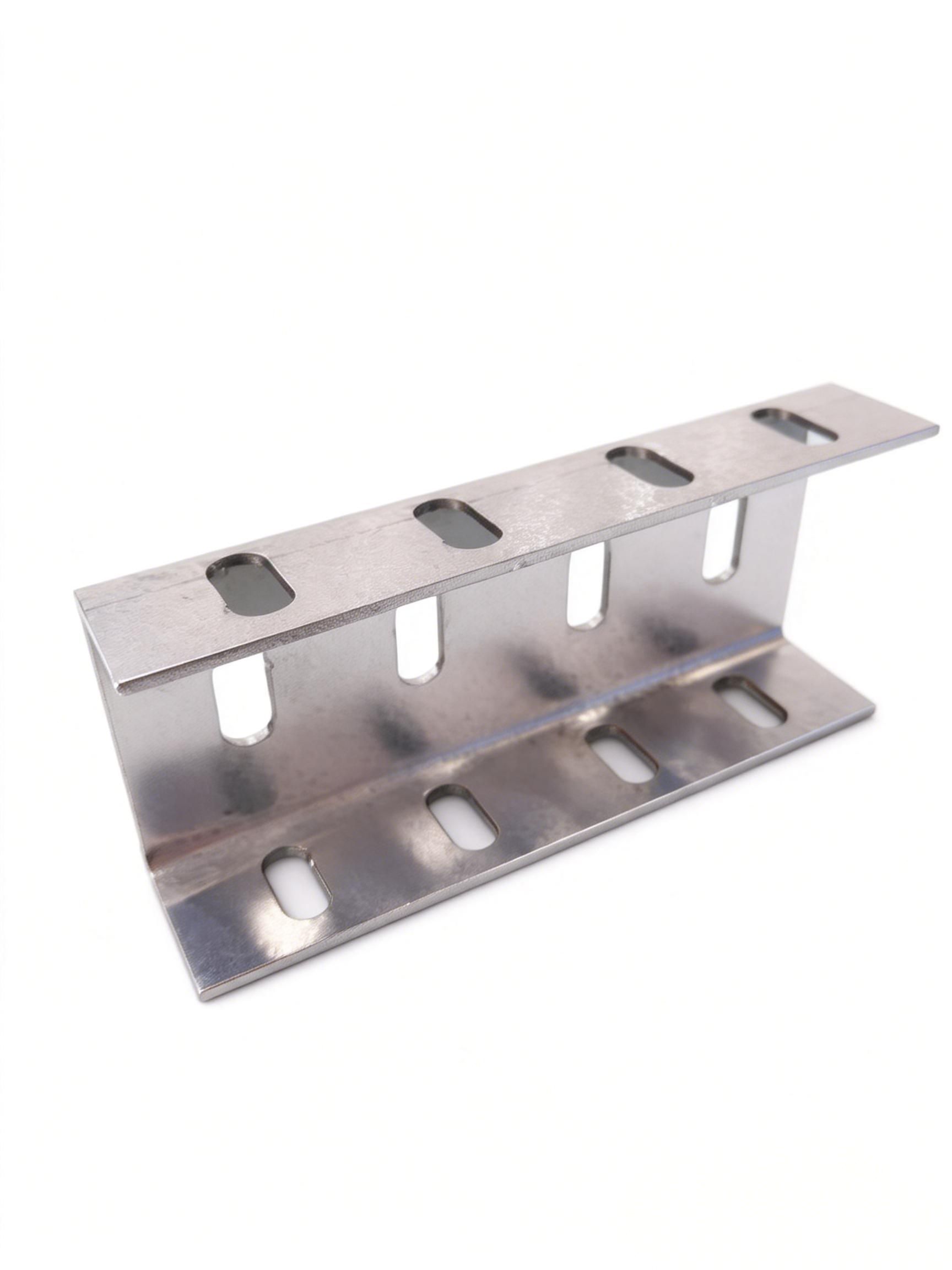
In the demanding environment of solar energy infrastructure, the choice of structural steel is critical for long-term durability and performance. S355JR stands out from alternatives like S235JR or higher-grade alloys due to its excellent balance of strength and cost-effectiveness. With a minimum yield strength of 355 MPa, it provides superior load-bearing capacity, essential for supporting solar panels in areas prone to heavy snow or wind loads. This enhanced strength ensures that structures remain stable and secure over decades, reducing maintenance needs and preventing costly failures that can disrupt energy production.
Another key advantage is S355JR's toughness and impact resistance, particularly at low temperatures—a feature often overlooked in solar installations exposed to seasonal extremes. While some steels may become brittle in cold climates, S355JR maintains its integrity, thanks to its standardized Charpy V-notch test requirements. This resilience makes it ideal for solar farms in regions with harsh winters, where thermal cycling and environmental stresses can compromise weaker materials, leading to premature degradation or safety risks.
Additionally, S355JR's weldability and formability give it a practical edge in solar applications. It allows for easier fabrication of custom frames and mounting systems, streamlining installation processes and reducing labor costs. Unlike more specialized steels that require complex handling, S355JR adapts well to on-site modifications, ensuring tight tolerances and reliable connections. This versatility, combined with its corrosion resistance when properly coated, positions it as a top choice for engineers prioritizing both performance and economic viability in renewable energy projects.
Cost-Efficiency Benefits of Using S355JR for Solar Projects in China
In China's rapidly expanding solar energy sector, the adoption of S355JR structural steel offers significant cost-efficiency advantages by combining high strength, durability, and affordability. This steel grade, known for its excellent mechanical properties and resistance to atmospheric corrosion, reduces long-term maintenance expenses and extends the lifespan of solar mounting systems. By utilizing S355JR, project developers can minimize material waste and optimize construction timelines, leading to lower overall capital expenditure and enhanced project viability in competitive markets.
S355JR steel enhances cost-efficiency in Chinese solar projects through its adaptability to diverse environmental conditions, such as varying temperatures and humidity levels common across the country. Its superior weldability and formability allow for streamlined fabrication processes, reducing labor costs and enabling quicker installations. This results in faster deployment of solar farms, accelerating energy production and financial returns, while ensuring structural integrity under standard loads and stress factors.
By leveraging S355JR, solar initiatives in China benefit from improved resource utilization and sustainability, contributing to lower lifecycle costs. Its recyclability and energy-efficient production methods align with green building practices, reducing environmental impact and aligning with national energy goals. This steel's balance of performance and economy supports scalable solar projects, fostering innovation and making renewable energy more accessible and economically viable in the long run.
Key Applications of S355JR in Solar Frames and Mounting Systems
S355JR, a versatile structural steel, has become a cornerstone in solar frame and mounting system design, prized for its robustness and cost-efficiency. This grade, part of the European S355 family, offers a minimum yield strength of 355 MPa, ideal for withstanding environmental stresses like wind loads and snow accumulation common in solar installations. Its non-alloy composition ensures good weldability and machinability, allowing for flexible fabrication into various frame geometries, from simple roof-top arrays to complex ground-mounted systems. By providing reliable structural integrity, S355JR helps extend the lifespan of solar panels, often lasting 25 years or more in harsh outdoor conditions.
Beyond basic strength, S355JR's application in solar infrastructure benefits from its excellent formability, enabling manufacturers to create lightweight yet durable components that reduce material usage and transportation costs. For example, it's often cold-formed into C-sections or Z-purlins used in mounting structures, which can be easily assembled on-site with bolted connections, speeding up installation times. The steel's adherence to EN 10025 standards guarantees consistent quality, minimizing risks of failure in critical joints or supports. In regions prone to corrosion, such as coastal areas, S355JR can be paired with protective coatings like galvanization or powder coatings, enhancing its resistance to rust and ensuring long-term performance without compromising aesthetics.
As solar energy projects scale up globally, S355JR continues to play a key role in optimizing mounting systems for both residential and utility-scale applications. Its balance of affordability and mechanical properties makes it a go-to choice for engineers designing cost-effective solutions that meet stringent safety codes, such as IEC 61215 for photovoltaic modules. Innovations in S355JR use include integrating it into adjustable mounting systems that track the sun's movement, maximizing energy capture throughout the day. This adaptability, combined with its recyclability, supports sustainable construction practices, aligning with the eco-friendly goals of the solar industry while ensuring structures remain stable under dynamic loads from weather events.
Environmental Resilience of S355JR in China's Varied Climates
In China's vast and diverse landscapes, from the frigid extremes of Harbin's winters to the humid heat of Guangzhou's summers, S355JR structural steel demonstrates remarkable adaptability, making it a preferred material for builders and engineers across the country. This carbon-manganese steel, characterized by its minimum yield strength of 355 MPa and improved toughness at low temperatures, effectively combats the stresses imposed by fluctuating temperatures and moisture levels. For instance, in regions like Xinjiang, where temperature swings can be drastic, S355JR's composition helps prevent brittle fracture and maintain structural integrity, ensuring that bridges and industrial facilities remain safe and operational year-round.
What sets S355JR apart in China's climate challenges is its tailored response to environmental factors like corrosion and fatigue. In coastal areas such as Shanghai or Hainan, high humidity and salt-laden air accelerate rusting, but S355JR's inherent resilience, often enhanced through protective coatings or galvanization, extends the lifespan of infrastructure without constant maintenance. This durability is partly due to its controlled chemical makeup, which includes elements like silicon and manganese that bolster resistance to atmospheric degradation, allowing it to withstand not just weather but also industrial pollutants common in urban centers.
Looking ahead, S355JR's role in China's construction industry continues to grow, driven by its proven performance in diverse settings. Projects in earthquake-prone zones like Sichuan benefit from its good weldability and impact strength, which help structures absorb shocks, while in arid regions like Inner Mongolia, it resists wind erosion and thermal expansion. By offering a reliable blend of strength and flexibility, this steel supports sustainable development goals, ensuring that buildings and transport networks can endure China's climatic extremes with minimal environmental impact, cementing its status as a cornerstone material in the nation's infrastructural resilience.
Future Trends: S355JR's Role in Advancing China's Solar Technology
In China's rapidly expanding solar technology sector, S355JR steel is emerging as a game-changer, poised to redefine infrastructure standards. This structural steel, known for its excellent strength and weather resistance, is increasingly favored for constructing durable and efficient solar panel support systems and mounting structures. By enabling more robust and corrosion-resistant frameworks, S355JR helps optimize energy output and extends the lifespan of solar installations, even in harsh environmental conditions, thus accelerating the country's transition to clean energy.
Looking ahead, the application of S355JR is expected to integrate with innovations like bifacial solar panels and floating photovoltaic systems, enhancing their performance and scalability. As China pushes for larger solar farms and urban rooftop integrations, this steel's adaptability will support cost-effective, high-capacity projects. Its role in reducing long-term maintenance needs and boosting overall system reliability positions it as a critical enabler in meeting ambitious renewable energy targets.
Beyond immediate structural benefits, S355JR contributes to China's broader technological advancements by facilitating the development of smart solar grids and energy storage solutions. Its use in modular and prefabricated components allows for faster deployment and customization, aligning with trends toward decentralized and resilient energy networks. This synergy between material science and solar innovation underscores a proactive approach to sustainable development, setting a precedent for future industrial applications.
FAQ
S355JR steel is a non-alloy structural steel with a minimum yield strength of 355 MPa, known for its durability and cost-effectiveness. In China, it's widely used in solar applications, such as mounting structures and frames, due to its ability to withstand harsh environmental conditions like high winds and corrosion, making it a reliable choice for long-term installations.
S355JR steel generally offers higher strength and lower cost than aluminum, which is beneficial for large-scale solar projects in China. While aluminum is lighter and more corrosion-resistant, S355JR provides better load-bearing capacity, suiting it for ground-mounted systems where durability and budget are key factors.
Key properties include good weldability, high yield strength, and impact resistance at low temperatures (down to -20°C), as specified by the 'JR' designation. These traits ensure structural integrity in diverse climates across China, from cold northern regions to humid coastal areas, supporting solar panels securely over decades.
Potential challenges include its weight, which can increase installation labor and costs, and susceptibility to corrosion if not properly coated. In China, where environmental factors vary, using protective coatings like galvanization is essential to prevent rust and maintain performance in humid or polluted conditions.
S355JR steel's affordability helps reduce overall project costs, making solar power more accessible and competitive. This cost-benefit supports China's rapid expansion of renewable energy, enabling the deployment of large solar farms and rooftop systems without compromising on structural safety or longevity.
Regular inspections for corrosion or damage, especially in coastal or industrial areas, are recommended. Maintenance typically involves cleaning and reapplying protective coatings as needed. Proper installation with quality fasteners and coatings can minimize upkeep, ensuring the steel remains reliable for the solar system's lifespan of 25+ years.
Conclusion
S355JR steel has emerged as the premier material for solar applications in China, primarily due to its exceptional durability and strength. In the demanding solar industry, this steel withstands various environmental stresses, from coastal salt spray to inland temperature fluctuations, ensuring long-term performance. Its superior mechanical properties, such as high yield strength and good toughness, allow it to outperform alternatives like mild steel or aluminum in solar installations, providing reliable support for solar panels and mounting systems. This resilience translates into fewer maintenance needs and extended lifespans for solar projects, making it a cost-effective choice that aligns with China’s push for sustainable energy infrastructure.
Beyond durability, S355JR steel offers significant cost-efficiency benefits, driving its adoption in solar frames and specialized mounting systems across China. Its competitive pricing, coupled with reduced replacement and repair costs, lowers overall project expenses without compromising quality. As solar technology advances, S355JR plays a key role in supporting innovations like larger panels and smart mounting solutions, enhancing efficiency in diverse climates from arid regions to humid coastal areas. Looking ahead, this steel is poised to underpin future trends in China’s solar sector, contributing to greener energy goals while maintaining robust performance—a balanced choice that combines reliability, economy, and environmental adaptability for optimal solar applications.
Contact Us
Contact Person: Simon
Email: [email protected]
Tel/WhatsApp: 8613672181100
Website: https://energetsolar.com/