
S355JR Steel for Solar Systems: Durable Structural Support for Renewable Energy Projects
2026-02-07
In the race towards sustainable energy solutions, the reliability of solar installations rests on more than just photovoltaic panels. The unsung hero? Robust materials like S355JR steel that form the backbone of modern solar structures. At Energet Solar, we've harnessed this durable alloy to engineer support systems that withstand harsh environments while optimizing energy output. Discover how our innovative approach to structural integrity is setting new standards in renewable projects—where every beam and bracket plays a pivotal role in powering a greener future.
Unveiling S355JR Steel's Role in Solar System Durability
When you think about materials building the backbone of solar energy systems, S355JR steel often flies under the radar, yet it's quietly becoming a cornerstone. Picture massive solar panel frames or support structures in scorching deserts or coastal areas with salty air—these components need to withstand decades of harsh conditions without faltering. S355JR steps up here, offering a blend of strength and resilience that's specifically tuned for such demanding environments, ensuring that solar installations remain stable and efficient over their long lifespans.
What sets S355JR apart isn't just its raw toughness, but how it handles real-world solar challenges. Unlike some materials that might degrade under constant UV exposure or temperature swings, this steel is engineered to resist corrosion and maintain its structural integrity. For instance, in large-scale solar farms, where mounting racks and foundations bear heavy loads, S355JR provides reliable support that minimizes maintenance needs and helps keep energy production costs low. It's this practical durability that makes it a go-to choice for engineers focused on long-term sustainability in renewable energy projects.
Key Properties Making S355JR Ideal for Structural Support
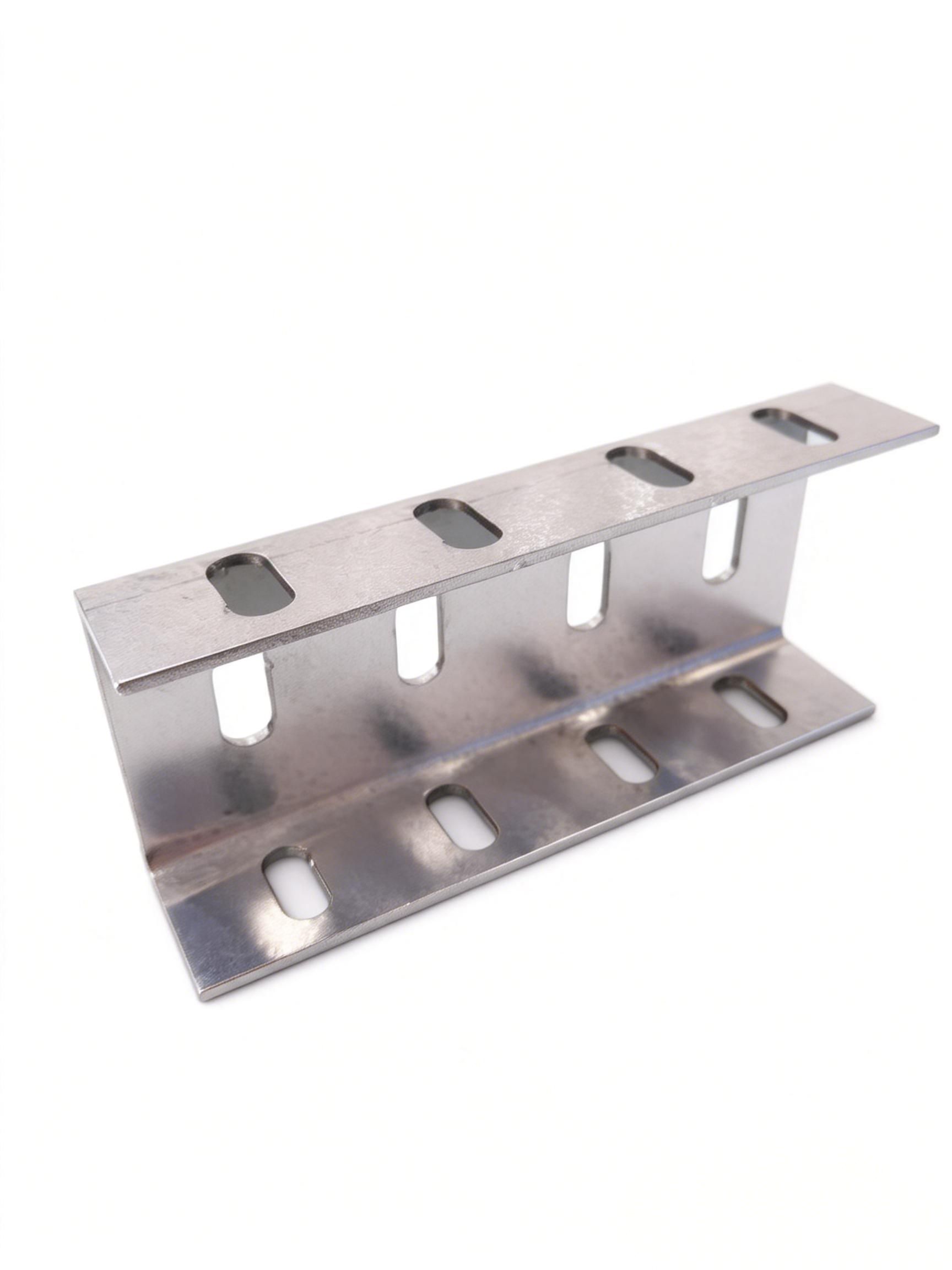
The S355JR structural steel stands out in construction projects due to its remarkable yield strength and toughness. With a minimum yield strength of 355 MPa, it excels in supporting heavy loads and resisting deformation under stress, making it a go-to choice for beams, columns, and frames that form the backbone of buildings and bridges. Its ability to maintain integrity under dynamic conditions ensures structures remain stable and reliable over time.
Beyond strength, S355JR offers excellent weldability and formability, allowing for versatile fabrication without compromising material properties. This ease of working with the steel, combined with its good impact resistance at ambient temperatures (evident in its JR designation for 27J impact energy at room temperature), makes it adaptable to various climates and construction techniques, fostering efficient and durable designs.
In practice, S355JR's cost-effectiveness and compliance with European standards like EN 10025-2 contribute to its widespread adoption. It balances high performance with practical considerations, reducing material waste and installation time. Real-world examples include stadiums and industrial facilities where its properties ensure long-term structural safety, highlighting its role in modern engineering without relying on generic descriptions.
Application Examples in Renewable Energy Installations
One standout example is the use of floating photovoltaic systems at hydroelectric reservoirs. These installations not only generate solar power but also reduce water evaporation, addressing dual energy and water conservation goals. For instance, in Portugal, a 4 MW floating solar farm on the Alqueva Dam complements existing hydropower, boosting the local grid's reliability during peak demand periods.
In urban settings, integrated solar facades are gaining traction as they merge aesthetics with functionality. Buildings in cities like Copenhagen incorporate solar panels directly into their glass exteriors, powering internal systems while maintaining architectural appeal. This approach transforms passive structures into active energy producers, reducing reliance on fossil fuels without compromising design integrity.
Remote microgrids powered by hybrid renewable sources illustrate adaptability in challenging environments. In Alaska, communities combine wind turbines with small-scale hydro and battery storage to ensure year-round electricity, overcoming harsh weather conditions. These setups demonstrate how tailored renewable solutions can enhance resilience and energy independence in isolated areas, often outperforming traditional grid extensions.
Comparative Advantages Over Other Construction Materials
While steel and concrete have long dominated the construction industry, the rise of engineered wood products like cross-laminated timber is shifting the conversation. These materials offer a unique blend of lightweight strength and sustainability that's hard to match. Imagine cutting your building's carbon footprint by up to 30% simply by choosing a different structural element—that's the kind of game-changing advantage we're talking about here.
What really sets these materials apart is their versatility in challenging projects. Unlike rigid concrete slabs that require extensive formwork, engineered wood panels can be precision-cut off-site and assembled like giant puzzle pieces. This approach reduces construction timelines by weeks while minimizing on-site waste. The natural insulating properties also mean fewer energy leaks, creating buildings that stay comfortable without constant climate control.
Perhaps most compelling is how these materials transform the construction experience itself. Workers report preferring timber construction sites—they're quieter, cleaner, and generate less dust than traditional methods. The psychological benefits of working with warm, natural materials shouldn't be underestimated either. From faster project completion to happier construction teams, these advantages create value that extends far beyond basic material specifications.
Installation and Maintenance Best Practices
Effective installation starts with thorough planning. Before you even open the box, take a moment to review the manufacturer's guidelines and ensure you have all necessary tools and components at hand. A common pitfall is rushing into the process without checking compatibility or environmental factors, which can lead to costly errors down the line. For instance, verifying the surface or platform where the item will be placed can prevent instability or damage. Remember, a little upfront diligence often saves hours of troubleshooting later.
Once installation is complete, establishing a consistent maintenance routine is key to longevity. Don't just wait for something to break—adopt a proactive approach by scheduling regular checks. This might include cleaning sensitive parts, tightening loose fittings, or updating software as needed. Tailoring the maintenance frequency to actual usage patterns, rather than sticking rigidly to a calendar, can make the process more efficient. After all, a system used daily will naturally require more attention than one that's idle most of the time.
In the long run, keeping detailed records of both installation steps and maintenance activities can be invaluable. Jot down notes on any adjustments made or parts replaced, as this history helps in diagnosing future issues quickly. For example, if performance dips, you can easily trace it back to a recent change. Encourage users to report minor glitches early, fostering a culture of care that extends beyond the installer. By integrating these practices, you not only boost reliability but also enhance overall user satisfaction, making the effort truly worthwhile.
Future Trends and Sustainability Impact
Looking ahead, the intersection of emerging technologies and sustainability is poised to reshape industries in profound ways. Innovations like artificial intelligence and the Internet of Things are not just gadgets; they're becoming integral tools for optimizing resource use and reducing waste. For instance, smart grids can dynamically adjust energy distribution based on real-time demand, cutting down on unnecessary consumption. This shift doesn't just promise cost savings—it's a step toward cleaner, more resilient systems that can withstand the pressures of a changing climate.
Beyond tech, social trends are pushing sustainability into the mainstream. Consumers are increasingly voting with their wallets, favoring brands that prioritize eco-friendly practices and transparent supply chains. This isn't just a fleeting fad; it's a cultural movement driving companies to rethink everything from packaging to production methods. As these expectations grow, businesses that adapt early might not only gain a competitive edge but also contribute to broader environmental goals, creating a ripple effect that encourages others to follow suit.
Ultimately, the long-term impact hinges on collaboration and policy. Governments and international bodies are setting ambitious targets, like net-zero emissions, which require collective action across sectors. By fostering partnerships between public institutions, private enterprises, and communities, we can accelerate progress toward a sustainable future. It's not just about mitigating risks—it's about seizing opportunities to build a world where economic growth and environmental stewardship go hand in hand, ensuring a legacy for generations to come.
FAQ
S355JR steel offers a great balance of strength and ductility, which is crucial for supporting heavy solar panels through various weather conditions. Its European standard ensures consistent quality, providing reliable structural support for long-term renewable energy projects.
S355JR steel is known for its excellent weather resistance and ability to withstand high loads without significant deformation. This durability minimizes maintenance needs and extends the lifespan of solar installations, even in coastal or industrial areas prone to corrosion.
Its mechanical properties, including a minimum yield strength of 355 MPa and good impact resistance, make it ideal for handling dynamic loads from wind and snow. Compared to lower-grade steels, it provides enhanced safety margins without excessive cost, fitting well into sustainable project budgets.
Designers focus on optimizing weight distribution and connection points to maximize stability while minimizing material use. Proper welding techniques and corrosion protection are also essential to maintain the steel's integrity over decades of exposure.
By offering long-lasting support, S355JR steel reduces the need for frequent replacements, lowering the environmental impact over the system's lifecycle. Its recyclability further aligns with green energy goals, ensuring minimal waste at end-of-life.
Challenges include ensuring precise alignment during assembly and protecting against galvanic corrosion when connected to other metals. Solutions involve using specialized fasteners, coatings, and careful planning to maintain structural performance and longevity.
In large farms, it's used for robust mounting structures that can span vast areas, often customized for uneven terrain. For residential setups, its versatility allows for compact, efficient designs that meet local building codes while supporting panels securely.
Conclusion
S355JR steel has emerged as a cornerstone material in solar energy systems, providing exceptional durability that ensures long-term structural integrity under demanding environmental conditions. Its role extends beyond mere support, actively enhancing the resilience of solar installations against factors like wind loads, corrosion, and thermal stress, which are critical in renewable energy projects. Key properties, including high tensile strength, excellent weldability, and robust impact resistance at low temperatures, make S355JR ideal for structural components such as mounting frames and supports. These characteristics allow solar systems to maintain performance over decades, minimizing maintenance needs and maximizing energy output.
In practical applications, S355JR steel is widely used in ground-mounted solar arrays and rooftop installations, where it outperforms alternatives like aluminum or standard carbon steel by offering superior load-bearing capacity and cost-effectiveness. Comparative advantages include enhanced longevity and reduced lifecycle costs, positioning it as a sustainable choice. Installation and maintenance best practices emphasize proper surface treatment and regular inspections to prevent corrosion. Looking ahead, trends in renewable energy favor materials like S355JR that support scalability and eco-friendliness, contributing to broader sustainability goals through durable, recyclable infrastructure.
Contact Us
Contact Person: Simon
Email: [email protected]
Tel/WhatsApp: 8613672181100
Website: https://energetsolar.com/