
Professional UV Piezo Inkjet Printer: The Ultimate Guide to High-Precision Printing
2026-07-02
When precision meets durability, professional UV piezo inkjet printing transforms ambitious designs into stunning reality. But not all printing solutions deliver the crisp detail and reliable performance that demanding projects require. Enter Danmajet—a name redefining high-precision output with advanced piezo technology. In this guide, we peel back the layers of UV piezo inkjet innovation, exploring how Danmajet’s printers handle complex substrates, resist fading, and maintain razor-sharp accuracy run after run. Whether you’re prototyping intricate electronics or producing vibrant signage, the secret to flawless results often lies in the synergy of UV curing and precision droplet control. Ready to see what sets true professional-grade printing apart?
Decoding Drop-on-Demand: The Piezoelectric Precision Edge
At its core, drop-on-demand technology is all about firing ink only when it’s actually needed. Unlike continuous inkjet systems that stream a constant flow of droplets, DOD approaches conserve material and energy, waiting for the exact moment a pixel is called for. The piezoelectric variant brings an electromechanical elegance to this principle—a tiny crystal bends under voltage, squeezing the ink chamber with remarkable timing. This isn’t just about squirting fluid; it’s about shaping each droplet’s size, speed, and trajectory with near-surgical finesse.
What gives piezo its precision edge is the direct, linear relationship between the electric pulse and the mechanical deflection. You can dial in exactly how much the crystal flexes, which translates to consistent droplet volumes even at high frequencies. There’s no thermal cycling to blur the response, no vapor bubbles to collapse unpredictably. The result is a jetting process that stays stable across a broad range of ink viscosities and chemistries—from dense ceramic inks to delicate biological fluids. In practice, that means sharper edges in printed patterns and fewer misfires when pushing the limits of resolution.
Beyond raw accuracy, the piezoelectric approach opens doors to non-contact deposition in fields where traditional nozzles fall short. Think of printing conductive traces on flexible substrates or assembling micro-organoids cell by cell. The technology thrives on repeatability, with piezo actuators enduring billions of cycles without meaningful wear. It’s this blend of endurance and control that lets engineers treat inkjet not just as a printing method, but as a production tool for advanced manufacturing—right down to the microscopic edge.
UV Curing Beyond the Surface: Instant Durability and Vibrant Color Lock
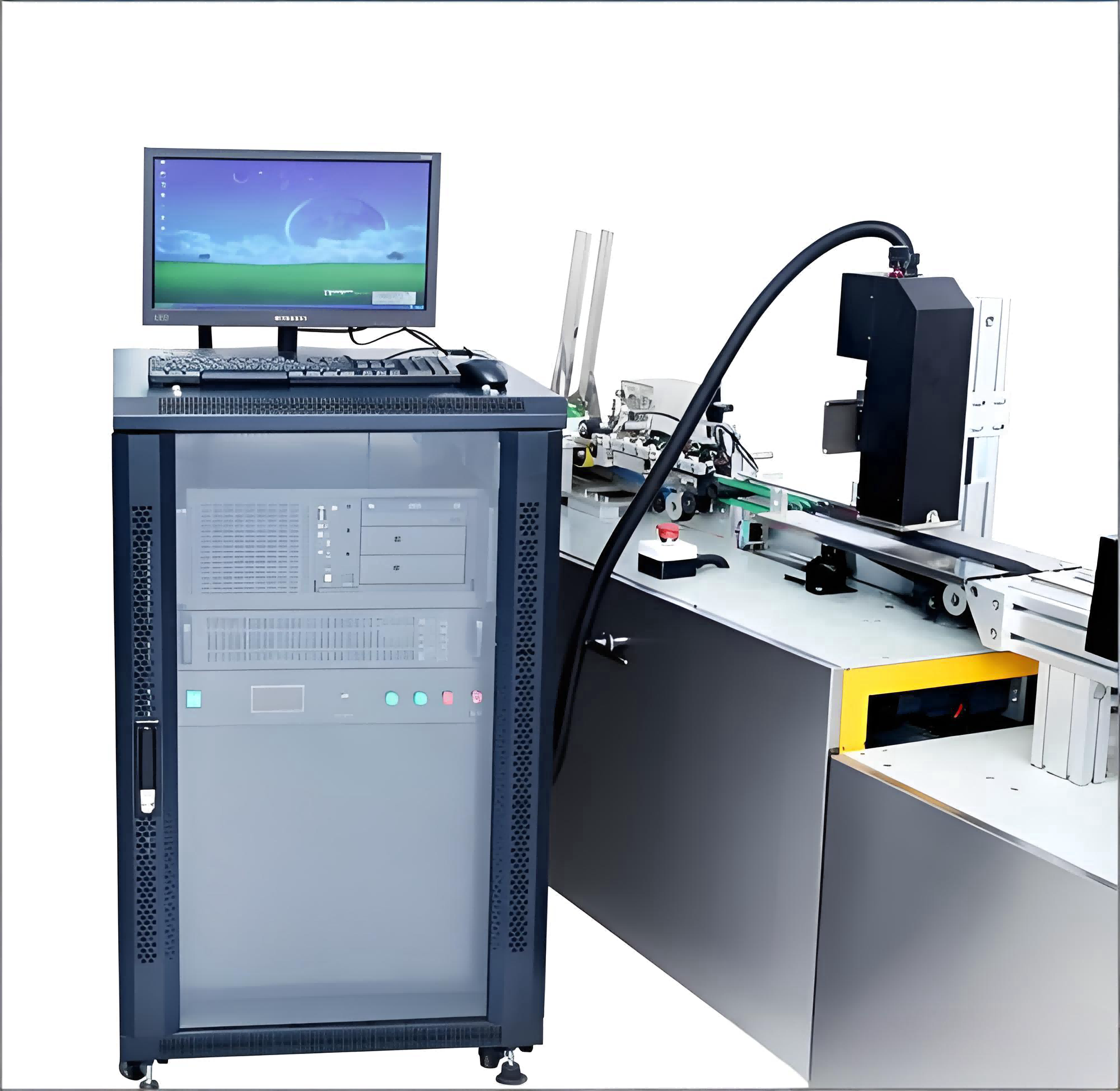
UV curing technology has evolved far past simple surface drying. It initiates a deep, molecular-level transformation that instantly locks in durability and vibrancy. Rather than just a superficial film, the reaction penetrates and bonds at the core of the material, creating a finish that resists abrasion, chemicals, and fading from day one. This isn't about waiting for layers to dry—it's about achieving ready-to-use strength in seconds, with a depth of protection that traditional methods can't match.
The secret lies in how UV light triggers a dense cross-linking network within coatings and inks. As the reactive components polymerize under pinpoint wavelengths, they form a tightly woven structure that traps pigments with remarkable stability. Colors come out richer and truer, not just on the top but all the way through the cured layer, ensuring they won't bleed or degrade under harsh conditions. That means packaging, signage, and industrial parts keep their visual impact long after they leave the production floor.
Achieving this level of performance demands more than a powerful lamp. It's a precise interplay of energy output, reflector design, and formula chemistry—each adjusted to match the substrate. Modern UV systems use adaptive controls to deliver uniform intensity across complex profiles, eliminating weak spots that could compromise longevity. The result is a finish that doesn't just sit on the surface; it becomes part of the product, offering manufacturers a faster, cleaner, and far more reliable alternative to conventional curing.
Expanding the Canvas: Unrivaled Substrate Versatility Explained
When we talk about pushing creative boundaries, the conversation often stalls at the medium. Not here. Our system redefines what's printable by embracing an extensive array of substrates that go far beyond standard paper and vinyl. Think textured fabrics that hold detail without bleeding, rigid composites that withstand outdoor extremes, and translucent films that play with light—all accessible through a single, streamlined process. This isn't just about adding options; it's about removing the constraints that limit where your designs can live.
Behind this versatility lies a finely tuned ink adherence technology paired with dynamic media handling. The print engine automatically adjusts droplet size, curing energy, and feed tension based on real-time substrate recognition. Whether you’re transferring a delicate pattern onto sheer silk or embedding a bold graphic into a brushed metal panel, the output remains crisp and durable. Every material runs through a smart profiling routine that maps surface irregularities, ensuring adhesion that resists scratching, weather, and chemical exposure without a separate primer.
The freedom extends into unconventional realms: biodegradable plastics for eco-conscious packaging, magnetic sheets for interactive campaigns, and even heat-sensitive substrates that evolve with temperature. Users can prototype on demand, switching from a matte paper proof to a permanent installation board seamlessly. By eliminating the need for pretreatment and reducing material waste, the system turns substrate diversity from a logistical headache into a daily advantage—one where the only limit is the imagination of the designer.
Resolution Myths Debunked: The Role of Grayscale and Variable Dot Tech
When people talk about print resolution, they often fixate on dots per inch (DPI) as the holy grail of quality. The common assumption is that higher numbers always mean sharper, more detailed images. But that misses a critical piece of the puzzle: not all dots are created equal. Modern printing methods, especially those using grayscale and variable dot technology, have completely upended the old rules. A printer that can vary the size and intensity of each dot—rather than just spitting out uniform blobs of ink—can reproduce subtle tonal shifts and fine details with far fewer DPI than you'd expect. It’s essentially a quality-over-quantity game.
Grayscale capability allows a single nozzle to produce multiple shades of a color, not just binary on/off. This means smoother gradients and more natural transitions without resorting to heavy dithering patterns that hog resolution. Pair that with variable dot sizes, and the printer can place tiny droplets in highlight areas to keep them airy, while laying down larger drops in shadows for rich density—all within the same pass. The result? A print that looks continuous-tone even at modest DPI settings. A 720 dpi print from a device leveraging these techniques can easily outshine a 1440 dpi print from an older, fixed-dot system. So the resolution number alone is a poor proxy for actual image quality.
Here’s the real-world takeaway: don’t get hypnotized by spec sheets. The interaction between ink, media, and printhead waveform shaping is where the magic happens. Some of the most lifelike photographic prints on the market come from devices that deliberately keep their rated DPI in check while maximizing grayscale depth and dot placement accuracy. Next time a sales pitch starts rattling off dizzying resolution figures, ask instead how the system handles midtones or whether droplet sizes can shift on the fly. Those are the details that separate a myth from a meaningful upgrade.
From Prototype to High-Volume: Real-World Sectors Demanding Accuracy
Transitioning from a one-off prototype to mass production exposes every hidden flaw in a design. In sectors like automotive manufacturing, a deviation measured in microns can cascade into assembly failures, recalls, or safety risks. The pressure to maintain tight tolerances while ramping up speed separates capable suppliers from the rest—real-world conditions leave no room for guesswork.
Medical device production demands a similar rigor. Implants, surgical instruments, and diagnostic equipment must meet regulatory standards without exception. A prototype may perform perfectly in a controlled lab, but scaling to thousands of units introduces variables in material behavior and process stability. Accuracy here is not just a technical requirement; it directly impacts patient outcomes.
Aerospace and precision optics face an even stricter mandate. Components often operate in extreme environments where thermal expansion and material fatigue are constant threats. Early validation through rigorous testing and process control is the only way to ensure that components produced at volume mirror the exact specifications of the original prototype. In these fields, accuracy is the baseline, not an aspiration.
Sustaining Peak Performance: Expert Ink and Printhead Care Routines
Maintaining peak output from your printing equipment isn’t about occasional deep cleans—it’s a rhythm of small, deliberate habits. Start each day with a nozzle check before any production run. This five-second test reveals early signs of clogs, letting you address them with a quick cleaning cycle rather than wasting media on misprints. Pair this with a weekly printhead wipe using a lint-free cloth and approved flushing solution, gently clearing away dried ink that can deflect droplets and cause banding.
Ink choice plays a bigger role than most operators realize. Sticking to one reputable ink line avoids the chemical incompatibilities that accelerate sediment buildup inside channels. If you’re switching formulas, flush the entire ink path thoroughly—residual mixtures can gel over time, creating stubborn blockages. For printers that see intermittent use, consider purging ink from idle heads and priming them before the next job. This prevents the slow oxidation that hardens ink right at the nozzle plate.
Environment is the silent variable in printhead longevity. Keep your workspace humidity between 40-60% to slow ink drying at the nozzles, and shield equipment from direct airflow from vents or fans. When a head eventually shows uneven jetting despite routine care, a controlled soak with manufacturer-specific solvent can dissolve internal deposits without warping delicate seals. Document every intervention—tracking how many cleanings preceded a replacement helps refine your schedule into a true preventive routine, not a reactive scramble.
FAQ
A UV piezo inkjet printer uses piezoelectric crystals to precisely eject ink droplets, then instantly cures them with UV light. Unlike thermal inkjets that heat ink, this method accommodates a wider range of materials and delivers sharper, more durable prints.
UV curing solidifies ink immediately upon contact, preventing bleeding on porous surfaces and eliminating drying time. This enables high-speed production on everything from glass to metal without the risk of smudging.
Absolutely. Because the ink is cured instantly rather than absorbed, it sits on top of the substrate. With adjustable print heads and precise droplet placement, it can print directly onto wood grain, canvas, and even slightly curved items.
Regular cleaning of the print heads is crucial, especially since UV ink can harden if left idle. Automated cleaning cycles help, but manual nozzle checks and wiping stations need attention. Also, the UV lamps themselves have a finite lifespan and should be monitored for intensity.
Modern UV piezo printers can achieve astonishing detail, often exceeding 1,200 dpi. The variable droplet technology allows for ultra-fine ink dots, yielding smooth gradients and sharp text that rivals or surpasses many silver-halide photographic processes.
It's actually a sweet spot for customization. With no plates or screens needed, you can print a single phone case or a batch of one-off promotional items cost-effectively. Digital workflow makes switching designs seamless.
UV inks are typically solvent-free, emitting negligible VOCs. The instant curing process consumes less energy than heat-based drying, and excess ink can be recycled. However, proper disposal of cured ink waste and used lamps should follow local regulations.
Beyond resolution, check the ink adhesion to your target materials, the printer's media handling capabilities, and the availability of white and clear inks for specialty effects. Also, consider the total cost of ownership, including service support and ink consumption rates.
Conclusion
At the heart of a professional UV piezo inkjet printer lies the union of piezoelectric drop-on-demand technology and instant UV curing. Unlike thermal systems, piezo printheads offer fine control over ink droplet size and placement, enabling consistent, high-resolution output across long print runs. That precision is further amplified by grayscale and variable dot technologies, which render smooth gradients and razor-sharp details without relying on exaggerated DPI claims. The moment UV ink touches the substrate, powerful LED lamps cure it to a hard, scratch-resistant finish. This immediate crosslinking locks in vibrant, high-density colors and rich blacks even on challenging materials, making the prints outdoor-durable without lamination.
This versatility redefines what’s printable. From rigid boards and acrylics to flexible films, textiles, and three-dimensional objects, the adhesion range opens doors across signage, packaging, industrial decoration, and personalized product manufacturing. It becomes feasible to move seamlessly from one-off prototypes to high-volume production, maintaining the same exacting standards. Yet achieving this day after day demands more than clever engineering. Routine care—meticulous printhead cleaning, proper ink storage, and environmental control—keeps the system in peak condition. Neglect invites clogging and drift, eroding the very precision that makes the technology transformative. In practised hands, however, a UV piezo printer is not just a tool; it is a dependable bridge from digital concept to tangible, lasting reality.
Contact Us
Contact Person: Jacky
Email: [email protected]
Tel/WhatsApp: 086 15000607053
Website: https://www.danmajet.com