
Private Label Mayonnaise Strategies for Building Your Own Condiment Brand
2026-11-02
Launching a private label mayonnaise line isn’t just about slapping a new label on a generic jar—it’s about crafting a condiment that speaks to your brand’s identity and hooks repeat buyers from the first dollop. Whether you’re a boutique grocer or an ambitious food startup, the right formulation and packaging can turn a pantry staple into a cult favorite. Behind many successful launches stands a partner like HONGBURG FLAVORMAKER, whose expertise in custom flavor profiles and scalable production quietly powers brands that stand out on crowded shelves. Here’s how to build your own mayo empire without getting lost in the sauce.
Find Your Emulsion's Identity Before You Find a Jar
Before you even glance at a single container catalog, sit down with your emulsion. What does it feel like between your fingers? Does it break fast into a watery layer, or linger with a cushiony slip? These are the traits that define its identity—not the color of the jar you eventually pour it into. A lightweight gel-cream and a rich night balm behave differently on skin, so why would they share the same packaging logic? Nail down the rheology, the absorption rate, and the finish it leaves behind. Those details will tell you whether you need an airless pump, a wide-mouth tub, or something in between.
Too many brands start backwards. They fall in love with a frosted violet jar or a sleek metal tube before the formula is even stable. Then the emulsion gets forced into a package that fights it—clogging pumps, separating in glass, or oxidizing faster than expected. Instead, treat the emulsion like a character you're casting. Does it need to stay airtight? Is it photosensitive? Does it thicken over time? Answer those questions first, and the jar choice becomes obvious.
Once you know your emulsion's identity, the jar is no longer a guessing game. You stop asking "what looks pretty on a shelf" and start asking "what preserves my product's texture and efficacy." That shift in thinking saves reformulation rounds, reduces waste, and ends with a product that actually performs the way you intended on day one.
Treat Recyclable Packaging as a Feature, Not an Afterthought
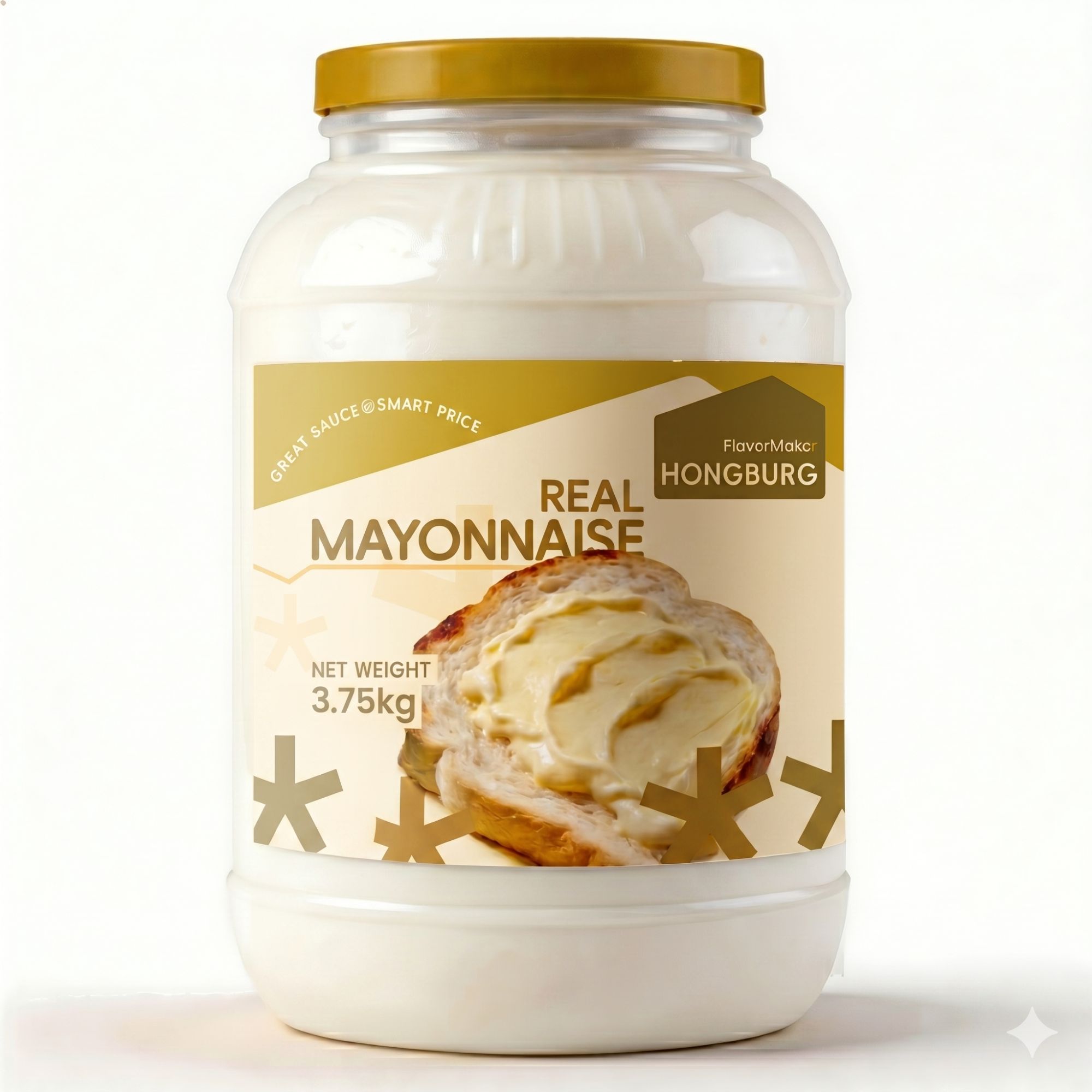
Most packaging is designed to be thrown away, but recyclable packaging flips that expectation into a reason to choose one product over another. When a brand treats the box, bag, or wrapper as part of the product experience—not just a protective shell—the material itself starts doing the talking. A simple label telling someone exactly how to recycle the container, or a design that makes separating components effortless, signals that the company thought beyond the point of sale.
This approach often means selecting materials that are widely accepted in curbside programs, avoiding mixed layers that complicate sorting, and using inks that don't interfere with the recycling stream. But the real difference comes from how the packaging is presented: as a deliberate choice with a visible payoff. A mailer that becomes a storage box, a jar meant for refilling, or a label that lists the next life of the paper fibers all turn an obligation into a conversation starter.
The result is a packaging experience that people remember and even look forward to. Instead of feeling guilty about waste, customers see the brand as a partner in reducing it. That perception builds loyalty far more effectively than a generic sustainability claim. Recyclable packaging stops being an afterthought and becomes the kind of detail that gets shared, kept, and talked about long after the product inside is gone.
Negotiate with Co-Packers Like a Chef, Not a Spreadsheet
When you sit down with a co-packer, leave the cost-per-unit obsession at the door. A chef doesn't start a conversation by demanding the cheapest tomatoes; they talk about ripeness, texture, how the sauce should cling to the pasta. Approach your manufacturing partner the same way. Ask about their equipment quirks, their line speed sweet spots, what makes their team proud. Those details shape your product far more than a column of numbers ever will, and they reveal whether this is a partner or just a vendor.
Real negotiation isn't about squeezing margins until someone flinches. It's about trading constraints. Maybe they need a longer lead time on labels, so you offer flexibility there in exchange for a trial run at lower volume. Or you learn their fill line struggles with chunky textures, so you adjust your recipe slightly—not to please a spreadsheet, but to make the run smoother for everyone. That back-and-forth creates trust, and trust gets you better pricing, priority scheduling, and a co-packer who actually answers the phone when your batch hits a snag.
Most founders bring a spreadsheet full of line-item costs and a rigid bottom line. That's fine for auditing, but terrible for building a relationship. A chef tastes as they cook, adjusts the heat, adds a pinch of salt. Negotiate the same way: stay present, listen for what the other side values, and be willing to shift your approach in real time. The best deals feel less like a transaction and more like two people deciding to cook the same meal together.
Price Against Condiment Aisles, Not Just Other Mayonnaises
When you set a price by looking only at other mayonnaises, you miss the larger frame shoppers actually use. Standing in front of the condiment shelves, their eyes move across ketchup, mustard, salad dressing, and barbecue sauce without making clean category cuts. They do not open a separate mental account for mayonnaise; the whole aisle tends to fall into one sauce budget. If your jar is 15 percent above a rival mayo but still sits below a premium tomato ketchup nearby, it can feel reasonable. If it towers over every adjacent product, the price starts to look like a mistake even when the direct competition is close.
Brands often trap themselves by building price comparison tables that only include other mayonnaises, then aiming for the middle of that narrow set. Real shelf decisions do not work that way. A shopper may pick up a five-dollar mustard, glance at your seven-dollar mayonnaise, and immediately wonder why it costs so much—despite the fact that competing mayonnaises are all priced between $6.50 and $7.50. The cheaper neighboring categories create a lower anchor that quietly drags down expectations for the whole section. To avoid that gut reaction, pricing has to be tested in the context of the full aisle, not just the nearest jars.
One practical step is to photograph the condiment section in stores where your product will sit, then mark the price ranges of the two or three adjacent categories. See where your jar lands among them. If the goal is a premium position, you can sit slightly above most neighbors but should avoid towering over the most expensive item in the area by a wide margin. If the goal is everyday value, your price needs to fall below the common price points of surrounding products. A price is not a standalone number; it is a relationship within the shelf's visual field.
Make Your First Flavor Your Loudest Statement
The opening bite sets the tone before a single word is spoken. That first flavor should hit like a confident handshake—bold, distinct, and impossible to ignore. It is not about overwhelming the palate; it is about making a promise the rest of the dish keeps.
Too many recipes bury their character under safe layers, waiting for a midpoint reveal. Flip that instinct. Let the ingredient you are most proud of arrive early, unapologetic and sharp. A loud first note gives every later subtlety a reason to matter.
Treat that initial taste as your thesis statement. If it mumbles, the eater leans back. If it speaks clearly, they lean in, curious about what else you have to say.
Let Your Label's Backstory Do the Heavy Lifting
Facts fade, but a well-told origin lingers. Most labels cram certificates, tasting notes, and production specs into tiny text blocks. What actually sticks is the moment the brand stops listing features and starts sharing the stumble, the late-night experiment, or the family quirk that shaped the product. That shift turns a label from a spec sheet into a short story people want to retell.
Try this: write down three things about your product that sound boring on paper—a retired machine, a rainy harvest, a recipe saved from a fire. Then ask which one makes someone lean in. Often the smallest, least polished detail carries the most weight. A jam label doesn't need to explain pectin levels; it needs to mention the orchard's oldest tree and the ladder that wobbles at the third rung.
Keep the story tight enough to read while the jar is still in hand. Two sentences beat a paragraph. If the backstory does its job, the customer fills in the rest—and that co-creation is what makes them remember you long after the shelf is out of sight.
FAQ
Start by pinning down a flavor profile that solves a specific problem. Maybe you want a version with more acidity for barbecue joints, or an extra-creamy texture for delis. Ask your manufacturer for samples with different oil blends and vinegar ratios before committing.
Look for facilities that already run emulsified sauces, because mayonnaise requires precise temperature control and high-shear mixing. Request a trial batch and check how they handle cold-chain storage, since egg-based mayo spoils faster than many other condiments.
Yes, but it depends on your target market. Swapping whole eggs for aquafaba or modified starches can support a vegan claim, while using non-GMO soybean oil and simple vinegar helps with clean-label shoppers. Just be prepared for texture differences and higher ingredient costs.
Squeeze bottles with wide caps reduce frustration and work well for foodservice use. If you're targeting home cooks, consider a clear jar with a minimal label so the creamy texture becomes part of the visual appeal. Don't ignore portion-control packets for delis and catering clients.
Aim for a middle ground—roughly 10–15% below premium imported mayos but above generic store brands. This signals better quality without scaring off budget-conscious buyers. If you emphasize a single origin oil or free-range eggs, you can push closer to premium pricing.
Start with independent sandwich shops, food trucks, and small grocery co-ops. Offer free 1-gallon samples or a discounted first case with a reorder incentive. Collect feedback and turn repeat buyers into case studies you can show to larger regional distributors.
Set a tight specification sheet for viscosity, pH, and color with your co-packer before scaling. Run small pilot batches quarterly and taste against a reference sample. If possible, keep at least two approved ingredient suppliers for critical components like oil and eggs.
Yes. In many regions, mayonnaise must meet a minimum fat content or specific egg yolk requirement to use that name. Check with your local food authority on labeling rules for 'mayonnaise' versus 'dressing' or 'spread', and have a formulated product review done before printing labels.
Conclusion
Building a private label mayonnaise brand starts long before you settle on a glass jar or squeeze bottle. You need a clear identity for the emulsion itself—decide whether your mayo is a tangy sandwich workhorse, a smoky burger companion, or a vegan aquafaba star. That choice drives everything downstream, from how you pitch co-packers to which shelf you target. Treat recyclable packaging as a genuine selling point, not a compliance checkbox: a sturdy PET jar with a wide mouth signals both sustainability and scoopability, and customers notice when the label calls it out without preachiness. When negotiating with co-packers, come armed with sensory notes and batch-size flexibility the way a chef would tweak a recipe, not just a spreadsheet of unit costs. You will win better minimums and more honest lead times.
Pricing is where many private labels stumble. Do not anchor only to other mayonnaises; compare against the whole condiment aisle—aioli, mustard, even hot sauce—because shoppers cross-shop by use occasion, not category loyalty. Your first flavor should be your loudest statement: a black garlic or charred lemon mayo can define the brand more than a plain version ever will, so lead with the one that makes people stop and reach. Finally, let the label's backstory carry real weight. A concise tale about a family recipe, a local oil mill, or a zero-waste kitchen gives buyers a reason to choose your jar over a faceless national brand. Small batch stories on the back panel often do more emotional work than any front-facing claim.
Contact Us
Contact Person: Peter Song
Email: [email protected]
Tel/WhatsApp: +86 18920189778
Website: https://www.hongburg.com