

PM Fiber Fusion Splicer Made in China: The Ultimate Guide to Precision Splicing
2026-08-05
When it comes to splicing polarization-maintaining fibers, even the smallest misalignment can sabotage your entire optical system. That's where a high-precision PM fiber fusion splicer becomes non-negotiable—and in China, one name stands out for delivering lab-grade performance without the lab-grade price tag. DVP has quietly mastered the craft, combining innovative core-alignment technology with rugged, field-ready design. If you've ever doubted that a made-in-China splicer could rival legacy brands, this guide will give you the proof—and the details—you need to reconsider everything.
Decoding the Mechanics of PM Fiber Alignment
Understanding the core principle behind polarization-maintaining (PM) fiber alignment begins with the fiber’s internal structure. Unlike standard single-mode fibers, PM fibers are engineered with stress rods or an elliptical core that creates a strong birefringence, locking the polarization state along one of two orthogonal axes. This intrinsic asymmetry means that any rotational misalignment between connected fiber segments can cause severe cross-coupling of polarization modes, degrading the signal’s extinction ratio. Thus, achieving precise angular orientation is not merely a mechanical nicety—it is the fundamental prerequisite for preserving the polarization purity that many advanced systems, from interferometric sensors to coherent communication links, rely upon.
In practice, the alignment process involves a nuanced interplay between optical feedback and mechanical adjustment. Technicians typically inject linearly polarized light into the fiber and monitor the output polarization state, often using a polarimeter or a power meter paired with a polarizer, while rotating one fiber relative to the other. The goal is to maximize the transmission along the desired axis and minimize coupling into the orthogonal axis. However, factors such as fiber end-face quality, core concentricity, and even the microscopic geometry of the connector ferrule introduce subtle challenges. For instance, a minutely tilted cleave angle can refract light asymmetrically, mimicking a rotation error, which demands a keen eye and iterative fine-tuning rather than a one-shot alignment. This is where practical know-how distinguishes a robust setup from a fragile one.
Modern alignment techniques have evolved to incorporate active alignment systems that use precision rotation stages and real-time extinction ratio measurement. These systems often automate the search for the optimal position, but the underlying physics remains unchanged: the objective is to align the slow axis of the transmitting fiber with the corresponding axis of the receiving fiber. A common pitfall is confusing the slow and fast axes, which can lead to a seemingly aligned connection that actually operates on the unintended axis, resulting in a 90-degree rotation error that may not be immediately obvious without polarization analysis. Mastering PM fiber alignment, therefore, blends a solid grasp of polarization optics with meticulous manual skill, ensuring that the invisible light path is as coherent in its polarization as it is in its phase.
Where Precision Meets Durability in Harsh Conditions
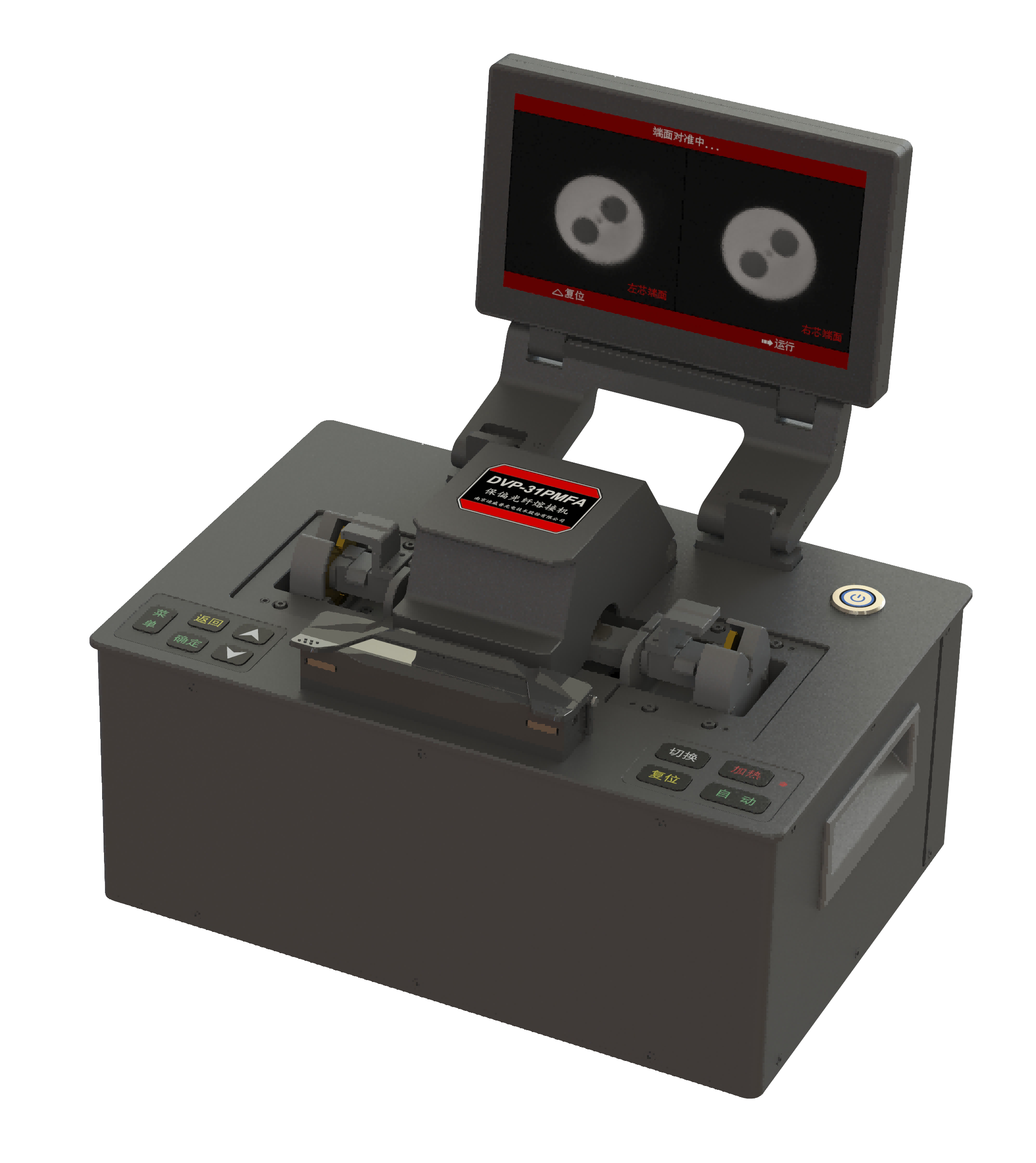
In settings where other instruments falter, ours lean in. Salt spray, sub-zero temperatures, or the grinding vibration of heavy machinery—these aren’t challenges to avoid; they’re the very environments our sensors were built to navigate. Each component is machined to tolerances that would make a watchmaker envious, yet encased in materials that laugh off corrosion. It’s that rare fusion of finesse and brute force, the kind you can only appreciate when a reading comes through crystal-clear during a blizzard on an offshore rig.
There’s an odd elegance in watching a device designed for clean labs thrive in a foundry. Most precision instruments demand kid-glove treatment; ours work best when things get ugly. We’ve swapped delicate wiring for military-grade connectors, swapped fragile housings for impact-resistant alloys that shrug off a dropped wrench. The result isn’t just durability—it’s a stubborn refusal to let the environment dictate performance. When a technician in a dust-choked mine still gets lab-quality data, that’s the moment you realize this isn’t just equipment; it’s a quiet rebellion against the elements.
We’ve found that true reliability doesn’t come from over-engineering alone; it comes from understanding the exact moment a component might fail, then building it three times stronger than it needs to be. It’s the difference between a sensor that survives a test and one that outlasts a career. The engineers who designed these systems spent as much time in the field as they did at their desks, learning the creaks and groans of real-world brutality. That’s why our gear doesn’t just meet industry standards—it sets new ones that nobody asked for, simply because we couldn’t stand the thought of anything less.
The Rise of Chinese Splicer Engineering
Over the past decade, Chinese splicer engineering has quietly transformed from a domestic manufacturing story into a global influence. What began as cost-driven adoption of local fiber optic splicing machines has evolved into a robust ecosystem of innovation, with Chinese engineers refining core alignment technologies, shortening splice times, and improving durability under harsh field conditions. The shift is no longer just about competitive pricing—it’s about mastering precision mechanics, intelligent software calibration, and rugged designs that perform as reliably in humid tropical sites as they do in freezing mountain deployments.
A key driver behind this ascent is the intense R&D focus on automation and user-centric enhancements. Modern Chinese fusion splicers pack features like AI-based fiber detection, automatic arc calibration, and one-touch realignment that rival—and sometimes exceed—what established international brands offer. Field technicians appreciate the streamlined workflows: machines that boot in seconds, self-diagnose alignment errors, and provide clear visual guidance, all while weighing significantly less than previous generations. These refinements didn’t emerge in a vacuum; they’re the result of iterative feedback loops from massive domestic telecom rollouts, where China’s fiber-to-the-home and 5G infrastructure demanded machines that could keep pace with nationwide deployment targets.
Today, Chinese splicer engineering stands at a crossroads where in-house optical components, proprietary software algorithms, and vertically integrated production have bridged the quality gap that once separated them from Japanese or Western counterparts. The conversation among network contractors has shifted from skepticism to pragmatic curiosity—how these machines hold up over thousands of splices, how responsive the support teams are, and how seamlessly they fit into existing toolkits. As the technology matures, the broader industry is taking note, recognizing that the rise is less about geographical origin and more about the engineering maturity that has been patiently built into every splice cycle.
Essential Specs That Define Splicing Accuracy
Fusion splicing hinges on a few critical parameters that directly determine how precisely two fiber ends are aligned and joined. Core alignment is the heart of the process—modern splicers use advanced image processing to map the core position in both X and Y axes, actively adjusting until the geometric centers match within fractions of a micron. Without this real-time feedback, even a slight offset can cause significant insertion loss, especially with single-mode fibers where the core is a mere 8-10 µm wide.
Cleave quality is another make-or-break factor. The fiber end face must be perfectly flat and perpendicular to the axis, with minimal surface roughness or hackle. A poor cleave introduces angular misalignment or air gaps that no amount of arc calibration can fix. Splicers often include built-in cleave inspection, rejecting any fiber that exceeds a preset angle threshold—typically under 1.5 degrees—to ensure a seamless fusion.
Arc power and duration, though often automated, still rely on accurate calibration for the specific fiber types in use. Too little heat results in a weak joint with micro-bubbles trapped inside, while excessive energy can deform the core or cause excessive splice loss. The best units fine-tune these parameters on the fly using loss estimation data from the alignment system, adjusting the arc to match the glass chemistry and diameter of the fibers being joined.
From Setup to Splice: A No-Nonsense Workflow
Start by laying out your tools and materials within arm’s reach—nothing derails momentum faster than hunting for a stray connector mid-splice. Check your cable ends under good light; a clean, square cut saves you from rework later. Keep a simple checklist taped to the workbench: strippers, cleaver, splice sleeves, alcohol wipes. That five-second glance prevents the “I forgot something” sprint across the shop.
When you actually fuse, don’t overthink the machine’s arc settings—trust its default calibration unless you’re troubleshooting consistently weak splices. Watch the screen as the fibers align; a little manual adjustment with the knob can fix those stubborn offsets the auto-algorithm sometimes accepts but you know will later bite you. After the splice, give the sleeve a gentle wiggle before heat-shrinking to feel if the joint is solid. No fancy technique—just a habit that’s caught more micro-cracks than I can count.
Finally, stow the finished splice in its tray with enough slack so it never pulls tight, and label both ends with the same ID you logged in your notebook. A month from now, when you’re troubleshooting at 2 a.m., that scrawled number on masking tape is the thing that lets you trace the path without opening every joint. That’s the whole cycle—setup, burn, protect, log—stripped of fluff and actually repeatable.
Navigating Common Splicing Pitfalls with Confidence
Even seasoned researchers can stumble when it comes to splicing, especially when dealing with complex multi-exon genes or low-quality RNA samples. The most frequent missteps arise from assuming that the predicted transcript is the only outcome—alternative splicing, cryptic splice sites, and exon skipping often produce unexpected variants that go unnoticed without thorough validation. Instead of relying solely on in silico predictions, take the time to experimentally confirm the actual splice products using techniques like RT-PCR with primers flanking the region of interest, followed by sequencing. This upfront investment can save weeks of troubleshooting downstream.
Another common trap is neglecting the influence of cellular context. Splicing patterns can shift dramatically between tissues, developmental stages, or disease states. A construct that works beautifully in HEK293 cells might produce aberrant transcripts in primary neurons. When designing experiments, always consider the biological system you’re working in and, if possible, validate key findings in more than one cell type. The confidence gained from such cross-checking is well worth the extra effort.
Finally, don’t overlook the importance of controls. A negative control omitting reverse transcriptase can help rule out genomic DNA contamination, while including a wild-type sample alongside your knockout or overexpression lines can reveal whether changes in splicing are truly due to your manipulation. Splicing assays can be finicky, but by anticipating these typical pitfalls and approaching them systematically, you’ll move from second-guessing your results to interpreting them with genuine assurance.
FAQ
A PM (polarization-maintaining) fiber fusion splicer is a specialized device that aligns and fuses the cores of two PM fibers while precisely matching their stress rods or polarization axes. This is essential because standard splicers can't maintain the polarization state, which would degrade signal integrity in applications like interferometric sensors, gyroscopes, or coherent communication systems.
Chinese manufacturers have narrowed the performance gap significantly. Many now offer comparable alignment accuracy, low insertion loss, and excellent extinction ratios at a more competitive price point. The key difference often lies in after‑sales service availability and specific software features, not core splicing quality. In day‑to‑day use, a top‑tier Chinese PM splicer can deliver results on par with global counterparts.
Precision alignment of the stress‑applying parts is crucial, so active core alignment and sophisticated rotation control are non‑negotiable. Real‑time imaging of the fiber’s cross‑section or side view helps confirm the polarization axis match. Additionally, stable arc discharge, clean fiber cleaves, and controlled environmental conditions are vital to achieve an extinction ratio above 30 dB and loss below 0.05 dB.
Absolutely. Most advanced models support multiple PM fiber profiles and allow you to calibrate alignment parameters for each type. They typically include pre‑set recipes for Panda and Bow‑tie fibers, and some let you manually adjust viewing angles or create custom programs for less common geometries like elliptical clad, ensuring reliable alignment regardless of the fiber’s internal structure.
While the machines automate many steps, understanding the principles behind polarization extinction ratio, stress rod identification, and the impact of cleave angle is important to troubleshoot poor splices. A couple of days of hands‑on practice with the specific splicer model generally suffices, especially if you’re already familiar with standard single‑mode splicing. The interfaces are usually intuitive, but mastering the fine adjustments for challenging fibers comes with experience.
Regular cleaning of the electrodes, objective lenses, and V‑grooves is essential to avoid drift in arc power and alignment errors. Electrodes should be replaced after a certain number of arcs, as recommended by the manufacturer. Keeping the splicer in a dust‑free environment, calibrating arc power periodically, and verifying splice quality with a known reference fiber will catch degradation early and keep the unit field‑ready.
Fiber optic gyroscopes for navigation, hydrophone arrays for seismic exploration, and high‑speed coherent transmission systems all depend on maintaining a stable polarization state. Even small misalignments can dramatically reduce system performance. Medical laser delivery and quantum key distribution are other fields where extinction ratio directly impacts accuracy and signal‑to‑noise ratio, so precise PM splicing is absolutely critical.
Yes, many factories in Asia and beyond already rely on them. Modern Chinese splicers feature automated splicing cycles under 20 seconds, high‑throughput heating ovens for sleeves, and robust data logging for quality traceability. Provided you validate performance against your specific splice‑loss and extinction‑ratio specs, these units often deliver excellent repeatability in round‑the‑clock production settings.
Conclusion
China’s emergence as a powerhouse in PM fiber fusion splicer manufacturing isn’t just about cost advantage—it reflects a deep engineering focus on the core mechanics of polarization-maintaining fiber alignment. Advanced systems now combine side-view imaging with real-time axis rotation analysis, ensuring that stress rods in PANDA or bow-tie fibers lock into place with sub-micron precision. This level of control is sustained even in unforgiving environments: sealed enclosures, hardened optics, and shock-resistant calibration let these splicers perform flawlessly on windswept cell towers or in dusty factory floors, where temperature swings and vibration are the norm. The rise of domestic R&D has shifted the narrative from copycat production to genuine innovation, with Chinese teams developing proprietary alignment algorithms and automated hotspot detection that rival any global competitor.
On the workbench, the difference shows up in the specs that matter—typical splice loss below 0.02 dB, extinction ratios clearing 30 dB, and cycle times under 15 seconds. A streamlined workflow takes operators from fiber loading to protected splice in a few intuitive steps: auto-focus, gap setting, alignment, arc test, and heat shrink. But knowing the machine isn’t foolproof, field technicians learn to sidestep common traps—like electrode wear causing weak arcs, or residual coating fouling the alignment cameras—by adopting a no-nonsense maintenance routine. When a splice does drift, built-in diagnostics and clear error codes make troubleshooting fast, turning a potential field headache into a teachable moment. The result is a generation of Chinese splicers that don’t just compete on price; they earn trust through repeatable precision and a design ethos that marries durability with user-centered smarts.
Contact Us
Contact Person: Mr XU
Email: [email protected]
Tel/WhatsApp: 86-25-85582828
Website: https://www.dvp.cn/en/