

Organic Fertilizer Sourcing: A Guide to Sustainable Farm Inputs
2026-08-08
Sourcing the right organic fertilizer can make or break your farm's sustainability goals. From nutrient balance to soil health, every input matters. At Tundrr, we understand the challenge of finding consistent, eco-friendly supplies without compromising on quality. This guide breaks down everything you need to know about organic fertilizer sourcing – so you can grow smarter, not harder.
Rethinking Soil Health: What Your Land Actually Craves
For generations we were taught to feed the plant, but soil isn't just a placeholder for roots—it’s a living, breathing ecosystem. Conventional wisdom fixated on NPK ratios, yet your land may be silently begging for something far simpler: microbial diversity. Beneath every successful harvest lies an underground metropolis of fungi, bacteria, and nematodes trading nutrients, building structure, and warding off disease. When we bypass this web, we’re left chasing fertility with bags and bottles, never quite closing the gap.
The most overlooked craving of tired dirt is intact fungal highways—arbuscular mycorrhizae physically extending root reach while exchanging hard-to-access phosphorus for plant sugars. Tilling snaps these threads, resetting decades of natural infrastructure in a single pass. No-till isn’t just a catchphrase; it’s a recognition that the soil’s own architecture outperforms any plow. Pair that with living roots year-round, and you give these networks a reason to stay, creating a system that feeds itself.
Perhaps what truly reshapes the conversation is shifting from adding stuff to enabling cycles. Instead of asking “what does this crop need?” we might start with “what does the soil community need to thrive?” That often means less disturbance, more diversity above ground, and a long-term view—seeing a bean stubble not as trash but as a meal for the next crop’s root allies. When you stop fighting the soil’s nature and start nurturing its hidden crews, you get a farm that doesn’t just produce—it repairs itself year after year.
Beyond the Label: Decoding Organic Fertilizer Certifications
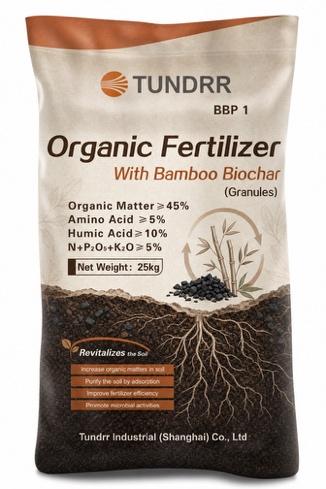
When you pick up a bag of organic fertilizer, the certifications on the label can feel like a secret language. Terms like "OMRI Listed," "USDA Organic," or "NOP compliant" promise purity, but what do they actually verify? The reality is that not all organic certifications are created equal. Some focus strictly on the source of ingredients, ensuring no synthetic pesticides or sewage sludge were used. Others dig deeper, evaluating the entire production process for sustainability and environmental impact. Understanding these nuances helps you choose products that align with your gardening ethics—not just clever marketing.
Regional differences further complicate the picture. A fertilizer approved for organic use in the United States under the National Organic Program might not meet the stricter standards of the European Union's organic regulations, which have additional restrictions on certain mined minerals and processing aids. Even within the same country, private certifiers like the Real Organic Project add layers of requirements, emphasizing soil-grown ingredients and rejecting hydroponic or factory-farmed inputs. As a gardener, this means you need to look beyond the badge and research what each certification truly represents for the health of your soil and food.
Finally, don't overlook the small print and the absence of certifications. Some high-quality organic fertilizers choose not to pursue formal certification due to the cost and bureaucracy, yet they adhere to practices that exceed minimum standards. Their labels might use phrases like "made with naturally derived ingredients" or "approved for organic growing," which requires careful scrutiny. Learning to decode these claims—and asking pointed questions about animal by-product sourcing or heavy metal testing—empowers you to make informed decisions. In the end, a truly sustainable garden relies on your own understanding, not just a seal of approval.
Local Goldmines: Finding Nutrient-Rich Materials Nearby
You don't need to travel far to discover nutrient-rich treasures for your garden or compost pile. Everyday spots right in your neighborhood can be unexpected goldmines. Fallen leaves from local parks, spent coffee grounds from the corner café, or even seaweed washed up on nearby beaches—these are all packed with organic goodness that your soil will love.
Start thinking of your community as a vast, free pantry for plant nutrition. Wood chips from a recent tree trimming, aged manure from a friendly farmer, or discarded vegetable scraps from a produce market can transform into soil-enriching amendments. Each material carries its own blend of minerals and organic matter, offering a localized solution to building healthier, more resilient gardens without relying on packaged products.
The key is to observe what’s naturally abundant in your area and connect with the people who see these items as waste. A quick chat with a coffee shop owner or a landscape crew can open up a steady supply of resources that would otherwise end up in a landfill. By tapping into these local goldmines, you’re not just feeding your soil—you’re weaving your gardening practice into the fabric of your community, closing loops and building fertility right where you live.
The Cost-Smart Formula: Balancing Budget and Soil Needs
Finding the sweet spot between what your soil craves and what your wallet allows is more art than science. It starts with a simple audit: test your soil yourself with a reliable kit before paying for lab analysis, and you’ll often find the baseline nutrients are already there, just locked up by pH imbalances or compaction. Instead of blanket fertilizing, target only the missing elements—a bag of Epsom salt for magnesium or a dusting of elemental sulfur for alkalinity can correct issues for pennies compared to premium blends.
Think of your soil as a long-term investment rather than a quick fix. Building structure with free or cheap organic matter—fallen leaves, aged wood chips from local tree services, or compost made from kitchen scraps—slowly improves water retention and microbial life, slashing your need for store-bought conditioners. Over time, this living soil becomes its own nutrient bank, releasing what plants need on a natural schedule and insulating you from price spikes at the garden center.
Don’t overlook the power of strategic plant selection. Indigenous species or those adapted to your region’s natural soil type demand far fewer inputs, letting you skip costly amendments altogether. Pair them with dynamic accumulators like comfrey or yarrow that mine deep minerals and make them available to neighbors, and you’re essentially growing your own fertilizer. This closed-loop approach keeps both budget and ground in harmony, season after season.
Brew Your Own: Mastering On-Farm Compost and Teas
Turning kitchen scraps and farm waste into rich, living compost is more art than science, yet the basics are forgiving enough for anyone to master. Start with a generous mix of high-carbon browns—straw, dried leaves, or shredded cardboard—and nitrogen-rich greens like vegetable peelings, grass clippings, and manure. The real trick is aeration: turn the pile often enough to keep it from going anaerobic, but not so frequently that you disrupt the fungal networks threading through the mass. In a well-managed heap, the center will heat up to 130-150°F, enough to kill weed seeds and pathogens while preserving beneficial microbes.
Once you’ve got crumbly, sweet-smelling compost, the next frontier is brewing aerated compost teas. This process extracts and multiplies the microbial life in a liquid form that can be sprayed onto crops or soil. Fill a mesh bag with mature compost, suspend it in dechlorinated water, and pump in air bubbles for 24 to 36 hours. The vigorous aeration wakes up bacteria, protozoa, and fungi, causing their populations to explode. A dash of unsulphured molasses or kelp powder feeds the bloom. The result is a brew that coats leaves with a protective biofilm and jump-starts nutrient cycling in the rhizosphere.
What sets a truly effective tea apart is attention to detail. Use only well-finished, aerobic compost as your inoculant—any hint of sourness means anaerobic rotters have taken over, and they’ll dominate your tea. Timing is everything: apply the finished brew within a few hours of cutting the aeration, while the dissolved oxygen is still high and the microbes are at their peak. Spray in the morning or evening to avoid UV damage, and don’t let the liquid sit in a hot tank. With practice, you’ll learn to read the foam, the smell, and the color, tuning each batch to the needs of your soil and season without ever relying on a fixed recipe.
Forging Partnerships: Building Trust with Reliable Suppliers
True supply chain strength doesn't come from contracts alone – it's rooted in the quiet consistency of mutual reliability. Working closely with suppliers who value transparency transforms routine orders into lasting alliances. When both sides invest in understanding each other’s challenges, minor delays or quality variations get resolved through collaboration rather than confrontation. This human-first approach slowly builds a reputation that attracts more dedicated partners.
Trust is built in the small, often tedious moments of daily operations. It’s the supplier who proactively alerts you about a raw material shortage, or the buyer who shares accurate forecasts well in advance. These gestures reduce operational friction and create an environment where innovation can happen naturally. Over time, the relationship shifts from a transactional link to a problem-solving unit that adapts faster to market shifts than any single company could alone.
Selecting partners based solely on price points misses the deeper value of reliability. Invest time in visiting facilities, having informal conversations, and observing how they handle setbacks. The suppliers who admit when they’re overstretched are often the ones who won’t leave you stranded. Nurture these bonds with fair payment terms and open feedback loops, and you’ll find that a trusted supplier network becomes your most resilient competitive advantage.
FAQ
Beyond certifications, look into the supplier's sourcing practices. Ask if they can trace their raw materials back to the farm or facility. A trustworthy supplier will openly share details about composting methods, ingredient origins, and quality checks. Also, visit their operation if possible—seeing their process firsthand often reveals more than any brochure.
Different organic inputs build soil in different ways. For instance, compost adds organic matter and improves soil structure, while blood meal delivers a quick nitrogen boost but does little for tilth. Over time, relying solely on high-nitrogen organic fertilizers without balancing carbon can deplete soil life. A mix of compost, green manures, and mineral-rich amendments tends to support lasting soil fertility.
Many farms can cover a significant portion of their fertility needs by integrating livestock, cover cropping, and careful residue management. It depends on scale and crops. For example, a diversified vegetable operation might generate ample compost from crop waste and animal manure, but a large grain farm might still need purchased inputs. Start with a nutrient budget to see what your land can supply.
Transportation and application costs often fly under the radar. A cheap bulk fertilizer shipped from across the country can end up costing more than a local option with higher upfront pricing. Also, pay attention to moisture content—you don't want to pay for water weight. And some raw materials like rock phosphate have limited availability, so price volatility can hit unexpectedly.
Third-party testing is your friend. Request recent lab analyses for nutrient content, heavy metals, and pathogens. Compare these to the label guarantees. Additionally, talk to other farmers who've used the product over multiple seasons—real-world results matter more than marketing. Some growers even set up small on-farm trials before committing to a new input.
Local sourcing often means fresher products, lower carbon footprint from transport, and inputs better suited to your regional soil and climate. It also builds community resilience. However, don't automatically assume local is better—verify the quality just as you would with any supplier. Sometimes a non-local product with a stellar sustainability track record is the wiser choice.
Absolutely, if you have the materials and time. A well-made compost or vermicompost tea can rival store-bought fertilizers for many applications. The catch is consistency and precision. Commercial blends offer exact N-P-K ratios and convenience. For high-value crops that need precise nutrition, a hybrid approach—using homemade for base fertility and commercial for targeted boosts—often works best.
Transition gradually. Begin by substituting a portion of your synthetic program with organic amendments while monitoring soil tests and plant response. Incorporate cover crops to buffer nutrient availability. Pay close attention to timing—organic nutrients release more slowly, so application windows might shift. Many farmers see a slight yield dip in the first year or two as the soil biology adjusts, but long-term resilience usually offsets the initial loss.
Conclusion
Truly sustainable farming begins with a shift in perspective: soil isn’t an inert medium to be filled with bagged nutrients, but a living system that yearns for organic matter, microbial diversity, and balanced minerals. Before opening a catalog, test your soil and observe your land—what it’s missing might not be another dose of nitrogen but better structure, more carbon, or trace elements. When you do need to buy, look past slick packaging and onto the certification logos. Terms like “natural” mean little, but seals from bodies like OMRI or the EU’s organic regulation tell you a product has passed rigorous, independent review—protecting both your fields and your reputation. Meanwhile, some of the best inputs sit right under your boots: spent grain from a microbrewery, leaf mold from municipal collections, livestock bedding, or seaweed from a nearby coast can be turned into gold for your soil, often for free or barter, slashing both costs and carbon footprints.
Affordability doesn’t have to mean compromise. Match your budget to soil ambition by prioritizing what your land truly lacks—some fields need heavy phosphorus for root crops, others only a light kick of nitrogen. Then, multiply your money by mastering on-farm compost heaps and actively aerated compost teas, which extend expensive inputs and boost biology on a shoestring. None of this works without reliable partners. Vet suppliers by visiting their facilities, asking for test results, and starting small. A good supplier becomes a collaborator who understands your crop rotations and timing, which cuts waste and stress. In the end, sourcing organic fertilizer is about weaving together observation, local ingenuity, homegrown fertility, and trusted relationships.
Contact Us
Contact Person: Ellen Zhang
Email: [email protected]
Tel/WhatsApp: +86(21) 2287 6756
Website: https://www.tundrr.com/en/