
New Type Prostate Red Light Therapy Device: How It Can Improve Your Prostate Health
2026-08-10
Prostate health is a growing concern for men worldwide, yet many are unaware of the groundbreaking solutions emerging in light therapy. A new type of prostate red light therapy device is changing the game—offering a non-invasive, drug-free way to support comfort and function. But what makes this innovation different, and how can it truly improve your well-being? At the forefront of this shift is GUANG TAI, a brand dedicated to advanced therapeutic technology. Let’s explore the science and the real-world benefits that are sparking curiosity among health-conscious men.
A Breakthrough in Prostate Care
For men navigating the challenges of prostate conditions, the arrival of a truly transformative approach marks a new chapter. It moves beyond conventional one-size-fits-all protocols, weaving together advanced diagnostics with individualized treatment paths that respect each patient's unique physiology and lifestyle. This isn't just a minor upgrade; it's a fundamental rethinking of how care is delivered, offering a level of precision that dramatically improves outcomes while preserving quality of life.
At the heart of this shift is a minimally invasive technique that targets only the problematic tissue, leaving everything else untouched. Patients often report a swift return to normal activities without the lingering discomfort or side effects commonly tied to older methods. The integration of real-time imaging and intelligent monitoring creates a seamless journey from diagnosis to recovery, turning what was once a daunting ordeal into a manageable, even hopeful, experience.
How Red Light Therapy Works Internally
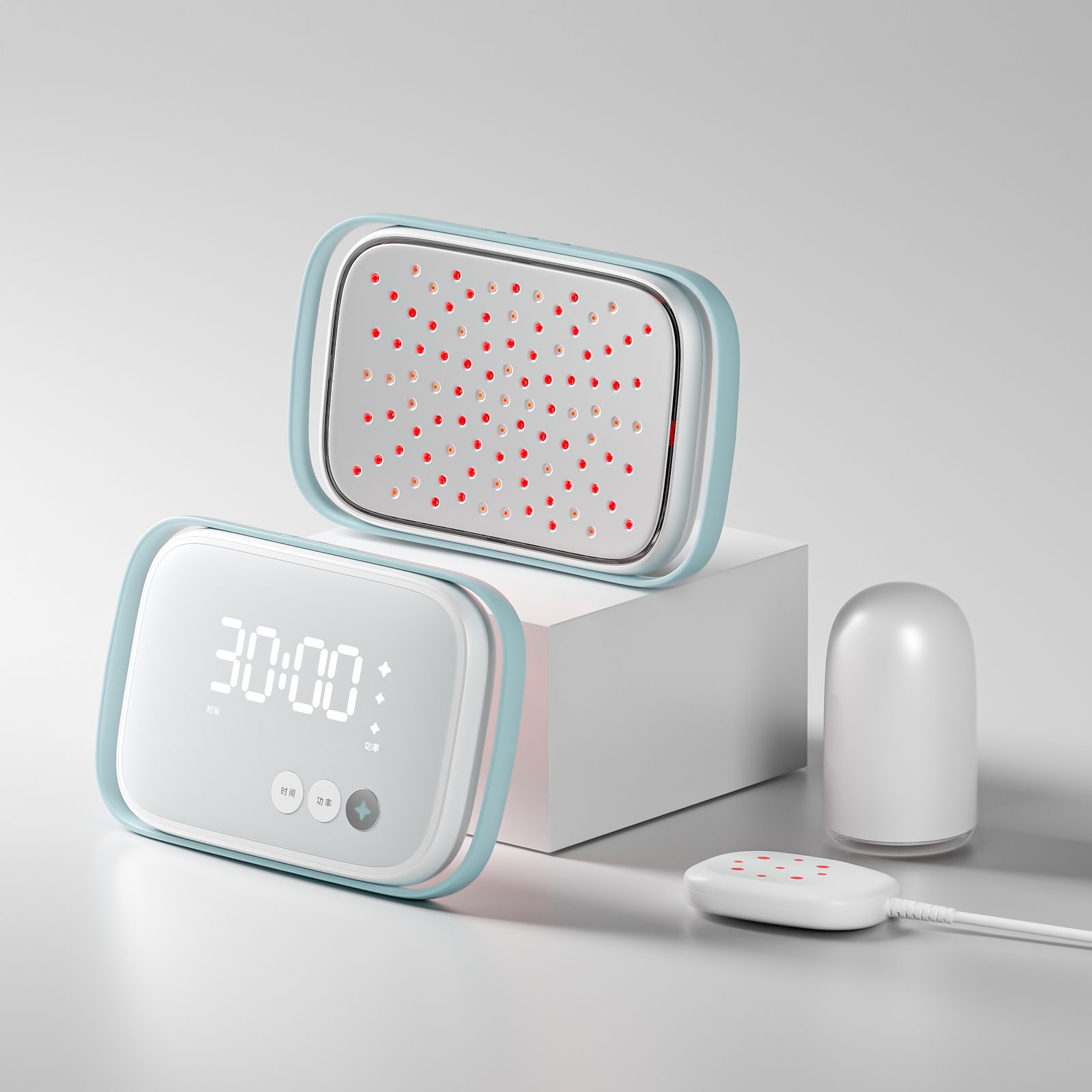
Red light therapy penetrates the skin and reaches the mitochondria, the energy powerhouses inside our cells. Here, specific wavelengths—mainly in the 620–700 nm range—are absorbed by cytochrome c oxidase, an enzyme in the electron transport chain. This interaction jolts the mitochondria into a more active state, boosting the production of adenosine triphosphate (ATP), the molecule that fuels nearly all cellular activities. The result is a surge in available energy, which enables cells to function more efficiently and repair themselves faster.
Beyond ATP synthesis, red light triggers a cascade of intracellular signaling. It modifies the redox state, lowering oxidative stress by balancing reactive oxygen species and enhancing antioxidant defenses. These changes activate transcription factors like NF-kB, which control genes linked to cell survival, proliferation, and inflammation. This means the light isn’t just a temporary stimulant—it actually helps reprogram the cell to a healthier, more resilient state, reducing chronic inflammation and supporting long-term tissue integrity.
At the tissue level, increased circulation is a major downstream effect. Red light stimulates the release of nitric oxide, a vasodilator that relaxes blood vessels and improves microcirculation. Enhanced blood flow delivers more oxygen and nutrients while whisking away metabolic waste. This combination of energized cells, reduced inflammation, and better circulation explains why red light therapy can accelerate wound healing, ease muscle soreness, and visibly improve skin tone—all from the inside out.
Boosting Cellular Health in the Prostate
The prostate, like any other organ, relies on healthy cellular function to stay resilient. Everyday stressors—be it environmental toxins, poor diet, or simply aging—can trigger oxidative stress, gradually damaging cells and nudging the gland toward inflammation or enlargement. Supporting cellular health here isn't about chasing a quick fix; it's more like tending a garden: steady, thoughtful care that helps cells repair, regenerate, and maintain their natural rhythm.
Some nutrients have a quiet but profound affinity for prostate cells. Zinc, for instance, concentrates in prostate tissue at levels far higher than anywhere else in the body, playing a quiet role in hormone metabolism and cell stability. Then there's selenium, a trace mineral woven into antioxidant enzymes that guard cell membranes. Plant compounds like lycopene—the red pigment in tomatoes—and beta-sitosterol from saw palmetto appear to nurture cell membranes and encourage balanced growth signals. It's less about flooding the body and more about offering the right threads for the cellular fabric to mend itself.
Daily habits also write their signature on prostate cells. A brisk walk, even for twenty minutes, improves circulation, flushing metabolic debris while oxygenating tissues. Managing stress through unwinding rituals—be it deep breathing or a real break from screens—may lower cortisol levels that can otherwise fan cellular unrest. Small, consistent choices add up, gradually tilting the environment inside the prostate toward repair and resilience, not just survival.
Easy Daily Use for Lasting Benefits
It slips into your morning like a familiar habit—no extra steps, no second-guessing. Just a quick squeeze or scoop, and you’re done. That kind of frictionless start means you’re actually going to stick with it, not stash it in the back of a cabinet after a week.
Over time, that consistency adds up in ways you won’t obsess over daily. Your skin feels less fragile, your energy doesn’t crash mid-afternoon, or maybe your joints just stop reminding you they exist. The real win is that you don’t need to chase perfection—just regular use, and the payoff quietly builds.
The best part? You don’t have to rearrange your life to see it working. It’s the kind of change that shows up in the mirror or in how you feel walking up stairs—subtle at first, then unmistakable. No grand gestures, just a small daily choice that keeps delivering far beyond the effort you put in.
Comparing Red Light to Standard Treatments
Standard treatments like medications or surgery often focus on suppressing symptoms but can come with unwanted side effects. Red light therapy, on the other hand, works differently by delivering wavelengths of light that trigger natural cellular repair. This subtle shift in approach sets it apart from the usual one-size-fits-all protocols.
Recovery timelines are another area where the contrast is stark. A surgical fix might demand weeks of downtime, while a round of red light therapy is typically quick and requires no recovery period. People increasingly appreciate being able to continue their daily routines without interruption.
Safety also shapes the discussion. Invasive procedures carry inherent risks, and long-term medication use can strain the body. Red light therapy’s non-invasive nature and minimal side effects make it a practical alternative for those looking to support their health without adding new burdens.
What Users Are Saying About Their Results
I was honestly skeptical at first, but after a few weeks, the difference was undeniable. My energy levels shot up, and I stopped craving junk food without even trying. It felt like my body just clicked into gear.
A friend commented on how my skin looked clearer, and that was when I realized it wasn’t just in my head. Even my sleep improved—I’d wake up actually feeling rested. It’s the small, consistent wins that have made the biggest impact.
I’ve tried so many things before, but this time it just stuck. My confidence is through the roof, and I’ve even started setting new goals I never thought possible. It’s not magic; it’s just that everything finally started working together.
FAQ
It’s a compact, wearable unit that uses targeted wavelengths of red and near-infrared light applied directly over the perineum. Unlike earlier pads or handhelds, this one wraps ergonomically and delivers dual-spectrum energy with higher irradiance, allowing the light to penetrate deeper into the prostate area without any invasive procedure.
When the specific wavelengths hit the tissues, they stimulate mitochondrial activity in cells, which in turn reduces oxidative stress and inflammation. This can lessen swelling around the urethra, ease urinary hesitation, and curb pelvic discomfort. Many users report fewer nighttime bathroom trips and a stronger stream after a few weeks of consistent use.
Yes, it’s designed for personal use and has built-in safety features like an automatic shut-off timer and skin-contact sensors. The main thing to watch is mild warmth or temporary redness on the skin, which usually fades quickly. It’s non-ionizing light, so there’s no risk of tissue damage when used as directed. Still, if you have a pacemaker or active cancer in the area, you’d want to clear it with your doctor first.
Most men start noticing subtle changes within 3 to 4 weeks of near-daily sessions. Significant relief—like better bladder emptying and less urgency—often builds over 8 to 12 weeks. Results can vary depending on severity, age, and lifestyle factors, so sticking to a routine really matters.
Not really. You simply place the device in position, secure it comfortably, and let it run for the preset duration—typically 15 to 20 minutes. There’s no downtime afterward; you can go right back to your normal activities. Just keep the skin clean and dry, and avoid applying lotions right before treatment so the light isn’t scattered.
It’s not a wholesale replacement for medical intervention, especially in advanced cases. Many men use it alongside their prescribed alpha-blockers or 5-alpha-reductase inhibitors and find they can eventually lower their dosage with their urologist’s guidance. For mild-to-moderate BPH, it often reduces the need for stronger drugs or invasive procedures, but it’s best viewed as a complementary tool.
Anyone with an acute infection, suspected or diagnosed prostate cancer, or a urinary tract obstruction should avoid this until evaluated by a specialist. If you have a spinal cord injury affecting bladder control or take anticoagulants, check with your healthcare provider first. The light is generally safe, but those situations require a more cautious approach.
Conclusion
Imagine a treatment that works gently from within, using specific wavelengths of light to stimulate healing right where it’s needed most. The new type prostate red light therapy device represents a genuine breakthrough in prostate care, moving beyond temporary relief to address underlying cellular dysfunction. By emitting low-level red and near-infrared light, the device is designed for internal application, allowing the light to penetrate tissues and reach the prostate gland without surgery or drugs. This non-invasive approach triggers a cascade of biological responses—increasing blood flow, reducing oxidative stress, and kickstarting the mitochondria in prostate cells to produce more energy. As a result, cellular repair accelerates, inflammation subsides, and overall prostate health improves steadily over time. This isn’t just symptom management; it’s about reawakening the body’s innate capacity to heal itself.
What sets this technology apart is how effortlessly it fits into daily life. With sessions lasting only a few minutes, users can integrate the therapy into their routine without disruption, and consistent use leads to lasting benefits like reduced urinary urgency, less nighttime waking, and improved comfort. Compared to standard treatments such as alpha-blockers or anti-inflammatory drugs, which often come with side effects and diminishing returns, red light therapy offers a side-effect-free alternative that addresses the root causes rather than just masking discomfort. Real-world feedback echoes this: men report not only measurable physical improvements but also a renewed sense of vitality and freedom. They describe waking up refreshed, regaining control over their daily activities, and feeling a profound shift in their quality of life. This convergence of cutting-edge science and practical daily use makes the prostate red light therapy device a compelling, forward-thinking solution for long-term prostate wellness.
Contact Us
Contact Person: Leon Yi
Email: [email protected]
Tel/WhatsApp: +86 17363316873
Website: https://zzgt.en.alibaba.com/