
LLLT Laser Therapy Original Manufacturer: Ensuring Quality and Innovation
2026-07-13
When it comes to LLLT laser therapy devices, finding a source that truly understands both the science and the craftsmanship is rare. Behind every effective treatment lies not just advanced technology, but a commitment to quality that starts at the very beginning—the manufacturer. GUANG TAI, as an original manufacturer, has quietly been shaping the landscape of low-level laser therapy with a relentless focus on innovation and reliability. But what does it really mean to be the original source, and why should it matter for your clinic, research, or personal wellness journey? Let’s explore how direct access to the maker can transform your expectations of laser therapy.
Core Principles of Original LLLT Manufacturing
At its heart, original laser light therapy device production hinges on precision wavelength calibration—not merely hitting 650nm or 808nm, but sustaining that exact emission across every diode in the array. This demands exhaustive binning and burn-in testing, a step many shortcuts skip, yet it’s what separates therapeutic coherence from mediocre light output. Without it, the device becomes a glorified flashlight rather than a tool that triggers cellular photobiomodulation.
Equally critical is the thermal architecture. Genuine manufacturers embed active cooling pathways that dissipate heat without altering beam divergence or power density, preserving a stable irradiance over sustained sessions. Off-the-shelf solutions often sacrifice this for cost, leading to drift that undermines the dose consistency fundamental to any effective regimen. We treat thermodynamics as a first-class design constraint, not an afterthought.
Finally, there’s the matter of material integrity: optical-grade lenses, medical-spec diodes with traceable batch records, and housing that blocks stray EMI. These aren’t luxury features—they’re the baseline for reproducibility. When every component is selected for longevity and optical purity, the final product delivers not just light, but a controllable therapeutic signal that clinicians and users can rely on session after session.
Innovative Engineering Behind Our Laser Devices
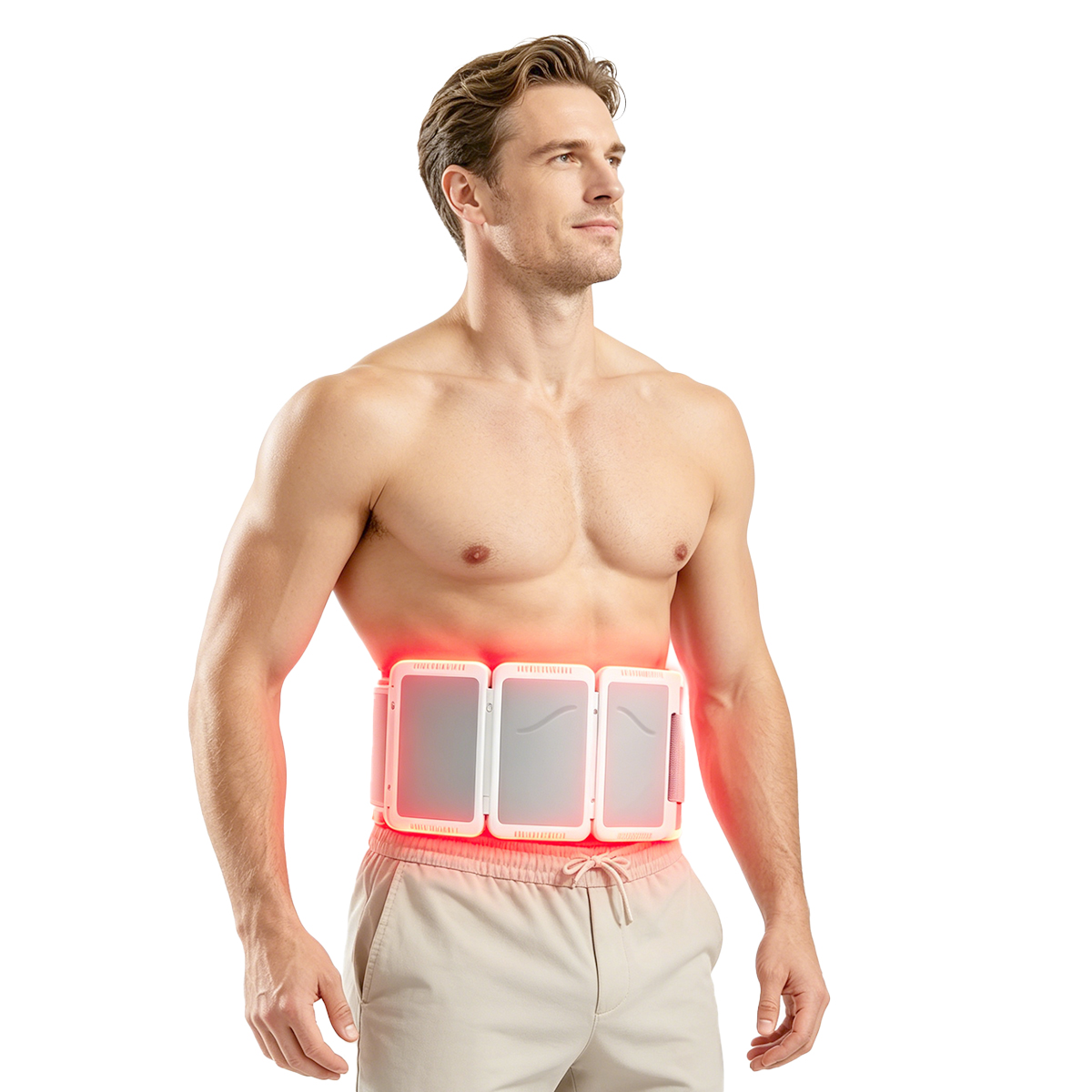
At the core of our laser systems lies a fusion of proprietary optics and precision thermal management. Rather than relying on off-the-shelf components, we’ve developed custom resonator architectures that balance peak power with long-term stability. This approach sidesteps the usual trade-offs between beam quality and efficiency, allowing our devices to maintain a tight, consistent focus even during extended operation.
Material selection plays an equally critical role. We incorporate aerospace-grade aluminum alloys and low-expansion optical substrates in the head assembly, reducing thermal drift without adding weight. Every interface is machined to micron-level tolerances, and our dust-sealed module design eliminates the need for field realignment—an issue that plagues many competing systems. These choices collectively push the mean time between failures far beyond industry norms.
Quality Control Protocols That Set Us Apart
We’ve embedded rigorous quality checkpoints into every stage of our workflow, turning oversight into a natural part of the process rather than a final hurdle. From raw material verification to in-line production assessments, each step is documented and traceable, ensuring no detail slips through. Our teams run parallel validation on critical parameters, catching variances before they compound.
What truly differentiates our approach is the fusion of real-time statistical control with old-fashioned craftsmanship. While automated systems flag deviations instantly, our seasoned specialists interpret those signals with nuance—distinguishing harmless drift from genuine threats. This balance prevents unnecessary rework while upholding uncompromising standards.
We also maintain a closed-loop feedback system that links post-shipment performance data directly back to the manufacturing floor. Instead of waiting for audits, we proactively adapt protocols based on long-term usage patterns, effectively merging quality control with continuous improvement. This dynamic method lets us refine tolerances and processes well beyond industry norms.
Tailored Solutions for Diverse Therapeutic Needs
Every patient brings a unique clinical picture, and off-the-shelf approaches rarely address the full complexity of their situation. We craft individualized strategies that consider not just the primary diagnosis but also coexisting conditions, lifestyle factors, and personal goals. By drawing on a wide range of modalities—from advanced pharmacotherapy to behavioral interventions—we ensure that each plan is as multifaceted as the person it serves.
Collaboration sits at the heart of our model. Our specialists work in tight-knit teams, sharing insights across disciplines to refine treatment in real time. This means that if a patient’s response deviates from expectation, we don’t just tweak a single variable; we reexamine the whole framework, pulling in fresh perspectives from neurology, psychology, nutrition, or rehabilitation as needed. The result is a living protocol that evolves alongside the patient’s progress.
We also recognize that effective care extends beyond the clinic. Our solutions integrate practical support systems—family education, community resources, digital monitoring tools—to create a safety net that operates between appointments. This comprehensive ecosystem not only improves adherence but empowers patients to take ownership of their journey, transforming passive recipients into active participants in their own healing.
Sustainability and Long-Term Device Durability
Building devices that last isn't just about using tougher materials—it's a fundamental shift in how we think about ownership. Instead of designing for the next upgrade cycle, the focus turns toward modularity and easy repairs. When a battery can be swapped in minutes or a screen replaced at a reasonable cost, the entire relationship with our gadgets changes. Suddenly, a two-year-old phone doesn't feel obsolete—it feels like a companion that's still ready for the road ahead.
This approach also reshapes the supply chain. Components are chosen not only for performance but for their ability to be recycled or reclaimed. Packaging shifts to minimal, plastic-free designs, and software support extends years beyond the initial release. When devices stay functional longer, the environmental footprint per year shrinks dramatically, cutting down the constant churn of manufacturing and disposal that has defined the tech world for decades.
Most importantly, durability becomes a shared value between maker and user. It's not about sacrificing progress—it's about making sure that progress doesn't come at the expense of the planet. A durable device encourages a slower, more mindful pace of consumption, where longevity is celebrated over novelty. That's a vision worth holding onto, long after the unboxing high has faded.
Collaborative Approach to Clinical Advancements
Bringing new treatments to patients demands more than just brilliant science—it hinges on how well diverse minds work together. Our model ties clinicians, researchers, and industry experts into a single rhythm, sharing insights from the earliest lab stages straight through to bedside application. This isn’t about siloed handoffs; it’s a fluid exchange where real‑world patient data recalibrates research priorities, and fresh discoveries quickly reshape care protocols. By tearing down the walls between disciplines, we accelerate the path from hypothesis to healing.
At the core of this approach is a deep respect for varied perspectives. A surgeon’s practical hunch, a data scientist’s pattern recognition, and a pharmacologist’s molecular insight all carry equal weight. Regular cross‑functional debates—often lively and always candid—challenge assumptions before they harden into dogma. That friction sparks better questions and more resilient solutions, cutting months off development cycles while amplifying safety signals that might otherwise go unnoticed.
Collaboration here also means embracing open‑door partnerships with patient communities and smaller biotech innovators. These alliances inject agility and firsthand experience that in‑house teams alone can’t replicate. The result is a learning loop where every clinical hurdle, every unexpected outcome, becomes a shared lesson rather than a setback. Progress, when built on collective intelligence, stops being a solitary pursuit and becomes a momentum that lifts the entire field forward.
FAQ
Original manufacturers maintain complete control over design, component sourcing, and production, ensuring consistent quality and safety across every unit. They also directly invest in research to refine treatment protocols.
Through rigorous in-house testing, strict adherence to medical device regulations, and continuous monitoring of manufacturing processes. Every component is validated for performance before assembly.
Innovation stems from direct collaboration with medical researchers and feedback from clinics, leading to features like adjustable wavelengths, precise power calibration, and smarter user interfaces that enhance therapeutic outcomes.
It eliminates middlemen who might cut corners on materials or ignore calibration standards. The original maker stands behind the product with genuine warranties and technical support.
They should share peer-reviewed studies, safety certifications from recognized bodies, and real-world case data demonstrating efficacy for conditions like pain management, wound healing, or hair regrowth.
They offer modular designs, adjustable output settings, and tailored accessory kits so practitioners can adapt the device for dermatology, physiotherapy, or veterinary use without compromising quality.
Built-in safety mechanisms like temperature sensors, automatic shut-off, and eye protection interlocks, combined with manufacturing traceability so each unit can be audited back to its build records.
Cutting out distributors lowers the final price to clinics while preserving R&D budgets, so the technology remains accessible without sacrificing the reliability expected from a medical device.
Conclusion
As an original manufacturer, we adhere to uncompromising core principles—every component, from laser diodes to housing, is engineered in-house to guarantee full traceability and consistency. This vertical integration allows us to embed innovative engineering directly into each device, resulting in clinically precise wavelengths and uniform light dispersion that maximize therapeutic efficacy. Our quality control protocols go far beyond industry norms; each unit undergoes multi-stage testing, including thermal stability assessments and output validation, ensuring performance remains rock-solid across years of heavy clinical use. By refusing to outsource critical elements, we eliminate variability and safeguard therapeutic integrity. From raw material selection to final calibration, no step is compromised—distinctions that make us a partner clinicians can trust implicitly.
Beyond hardware excellence, we build tailored solutions that adapt to diverse therapeutic needs, whether for dermatology, physiotherapy, or veterinary applications. Sustainability is woven into our design philosophy—devices feature modular architecture for easy repair, and we avoid planned obsolescence by prioritizing durable components that lower the total cost of ownership. This long‑term thinking extends to our collaborative approach with researchers and clinicians: regular symposiums and beta programs keep us closely aligned with evolving clinical demands, while our in‑house R&D team rapidly prototypes suggestions into tangible upgrades. This relentless cycle of feedback and refinement ensures our portfolio stays at the forefront of clinical needs, pushing the boundaries of what LLLT can achieve and delivering reliable, patient‑centered outcomes year after year.
Contact Us
Contact Person: Leon Yi
Email: [email protected]
Tel/WhatsApp: +86 17363316873
Website: https://zzgt.en.alibaba.com/