Leading Disposable Adult Diaper Machine Manufacturer: Your Ultimate Guide to Quality Production
2026-06-27
The adult diaper industry is booming, but not all machines are created equal. If you're serious about efficient, high-quality production, you need more than just equipment—you need a partner who understands the nuances of the market. That's where Womeng comes in. As a leading manufacturer, we've distilled years of expertise into this guide, so you can skip the guesswork and start producing with confidence.
The Rise of Adult Diaper Demand and Machine Innovation
The steady climb in adult diaper sales isn't just a statistic—it reflects a profound shift in how societies care for aging populations and individuals managing incontinence. Longer life expectancies, a growing acceptance of bladder health issues, and the desire to maintain active, dignified lifestyles have collectively shattered old stigmas. Where once these products were relegated to institutional use, they now occupy more shelf space in pharmacies and online stores, signaling a normalization that few industries have experienced so quickly. This cultural change, paired with the sheer size of the baby boomer generation entering their golden years, has created demand that shows no signs of slowing.
Behind the scenes, manufacturers are racing to overhaul production lines with machines that do far more than simply assemble layers of material. The days of one-size-fits-all products are fading, replaced by ultra-thin, breathable, and contoured designs that mimic regular underwear. This evolution pushes machinery to handle delicate nonwoven fabrics, integrate lotion-applying systems, and precisely cut complex shapes at high speeds. Innovations like ultrasonic bonding and real-time quality inspection cameras have become essential, shrinking defect rates and making small-batch, specialty orders economically feasible. The machine builders themselves are now co-developing solutions with brand owners, a partnership that accelerates both product refinement and manufacturing agility.
Looking forward, the intersection of demand and engineering is likely to get even tighter. Concepts such as biodegradable back sheets, wetness sensors linked to caregiver apps, and even reusable smart cores are moving from lab prototypes to pilot runs. Each new feature demands corresponding leaps in automation—for instance, embedding electronics without compromising absorbency or comfort requires robotic precision that older equipment simply can't deliver. As adult diaper usage becomes more personalized and preventative, the machinery powering their creation is evolving from heavy industrial workhorses into flexible, data-driven platforms. This symbiosis ensures that the machines we build today are already being designed for the absorbent products of tomorrow.
What Sets a Leading Manufacturer Apart in the Industry
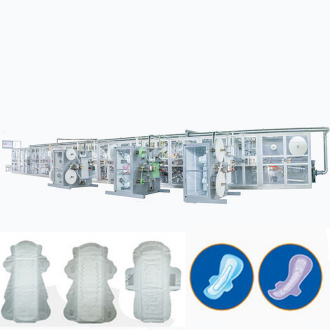
It’s not just about machinery or scale. A top-tier manufacturer pours curiosity into every project, asking questions that others skip. They chase down the small imperfections—a slightly off finish, a tolerance that’s just barely within spec—because they know that attention to detail is what customers feel long after the purchase.
Experience matters, but it has to be the right kind. The best teams carry a mix of veteran know-how and fresh thinking, letting them solve problems from angles that rigid processes miss. They treat supply chain hiccups and design quirks not as headaches, but as chances to show why they’re worth trusting.
Communication shapes everything. A leading manufacturer doesn’t hide behind automated updates—they assign real people who listen, adapt, and sometimes nudge a client toward a better path even when it means more work. That mix of honesty and hustle turns a transactional relationship into a partnership that competitors can’t easily copy.
Decoding the Production Process: From Raw Materials to Finished Product
Every product starts its life as raw materials, sourced from mines, forests, or chemical vats. The journey from that initial state to something you hold in your hands involves a chain of decisions, each shaping the final quality. It's rarely a straight line; suppliers might tweak grain size, purity, or moisture content before the material even reaches the factory floor. Getting those specifications right upfront prevents headaches like cracking, warping, or inconsistent texture later.
Inside the plant, the real transformation begins. Think of it as controlled manipulation: melting, molding, machining, or fermenting. Equipment isn't just giant hammers or conveyor belts—it's fine-tuned to push materials through phase changes without destroying their inherent properties. Operators watch temperatures and pressures closely because a few degrees off can turn a durable part into a brittle failure. Quality checks happen at multiple gates, not just the exit, catching defects when they're still cheap to fix.
After final assembly and testing, the product is still not truly finished until it survives logistics. Packaging, humidity, vibration during transport—all of this can undo months of careful work. Smart producers think about how their creation will age on a shelf or in use. That's the mark of a process that respects the material, understands the science, and doesn't cut corners when no one is watching.
How to Evaluate Quality in Disposable Adult Diaper Machines
When assessing a disposable adult diaper machine, start not with the spec sheet but with the product it makes. Run a batch on your top material blends—check for consistent elastic placement, symmetrical leg cuffs, and a smooth, unwrinkled backsheet. A machine that can’t handle your exact nonwovens and SAP grades without adjustment drift isn’t worth the floor space. Look for tight standard deviations in pad weight and core integrity even at high speeds; quality in the diaper translates directly to quality in the machinery’s engineering.
Beyond raw output, long-term reliability exposes the real build caliber. Ask for service logs, not polished testimonials. Find out the frequency of ultrasonic horn replacements, blade sharpening cycles, and the lifespan of tension control components under typical 24/5 operations. A sturdy frame and well-sealed electrical cabinets matter as much as the servomotor brand. Also observe the machine during splice roll changes—smooth, automated splicing with minimal waste indicates the design has matured past the prototype phase. The most telling sign? The consistency of the waistband stretch, measured over ten thousand cycles.
Finally, distill ease of use into measurable terms. A machine built for real operators minimizes recipe changeover time, not just in theory but when the crew is tired on a third shift. The HMI should surface critical parameters without deep menus, and jam recovery should be tool-free and swift. But the hidden differentiator is how the machine handles raw material variations. The best machines have adaptive tensioning and intelligent phase adjustment, so a slightly out-of-spec nonwoven roll doesn’t cascade into a full stop. Judge that agility, and you’ll find the line worth buying.
Avoiding Common Pitfalls When Choosing Your Manufacturing Partner
Rushing into a deal based solely on the lowest quote often backfires by the third shipment. A factory that undercuts everyone else might be cutting corners on materials, skipping safety protocols, or running on outdated machinery that stalls when you scale. Instead of fixating on unit cost, ask for a detailed breakdown of their quality-control checkpoints and request samples from a recent production batch—not a tailored one-off. If they hesitate to share unedited facility walkthrough videos or deflect questions about defect rates, consider it a red flag that could cost you far more in returns and reputation damage down the line.
Contract ambiguity is where many partnerships quietly unravel. Vague language around “acceptable tolerances” or “timely delivery” gives the manufacturer room to interpret standards in their favor. Spell out exact specifications for raw materials, finish quality, and packaging, and tie penalties to measurable delays. Intellectual property clauses deserve extra scrutiny; a factory that retains mold ownership or design files can become a competitor overnight. Having a legal eye that understands local enforcement realities review the agreement before signing isn’t a luxury—it’s the only way to avoid getting locked into a bad deal with no practical recourse.
Day-to-day collaboration can break down even when the product specs are perfect. Time zone gaps that turn a two-hour question into a 36-hour wait, cultural norms around direct feedback, or an account manager who disappears after the first deposit are all early signs of friction. Start with a small test order and gauge how they handle unexpected changes—do they propose solutions or simply point to the contract? Regular check-ins that go beyond email, like a weekly video call with the production lead, build the kind of rapport that catches issues while they’re still fixable. A manufacturer that invests in understanding your market pressures is the one that will treat your deadlines as their own.
Future-Proofing Your Production Line: Trends and Insights
Manufacturing floors are changing fast, and staying ahead means weaving adaptability into every layer of your operations. We’re seeing a real push toward modular machinery that can be reconfigured in hours instead of weeks. This shift isn’t just about hardware; it’s about designing workflows that let you swap out stations or reroute materials without halting everything. The smartest factories treat their lines like a living system—always ready to adjust when demand or technology pivots.
Data is the quiet engine behind this flexibility, but it’s the way teams use it that makes the difference. Predictive maintenance tools are moving past simple alerts and into genuine foresight, flagging wear patterns before they cause a snag. More importantly, frontline operators are gaining access to dashboards that make sense of their immediate environment rather than drowning them in numbers. When someone on the floor can spot a subtle drift in torque or temperature and act before it escalates, unplanned downtime stops being a constant threat.
Talent also plays a huge role in future-proofing, and the conversation is finally shifting from fearing automation to pairing it with human instinct. Upskilling programs are becoming less about generic training and more about teaching people how to interpret AI-driven recommendations and make judgment calls. The lines that thrive in the next decade will be those where engineers and algorithms have a real dialogue, not a one-way instruction. It’s a blend of curiosity, trust in the data, and the courage to try unconventional fixes that keeps a production line resilient.
FAQ
Look for a track record of reliable equipment, transparent communication, and a willingness to customize solutions. Visit their factory if possible, and ask about after-sales support, spare parts availability, and training. A good manufacturer treats you like a partner, not just a sale.
Higher speeds can increase output, but they may stress materials and compromise absorbency or fit if the machine isn't precisely calibrated. It's about finding the right balance—machines with adjustable speed settings let you prioritize quality or quantity depending on demand.
Regular cleaning to remove adhesive buildup, scheduled inspections of cutting blades and sealing stations, and timely lubrication are key. Train your team to spot early signs of wear, like unusual vibrations or inconsistent folding, to prevent costly downtime.
Many modern machines offer quick-change modules for different sizes, from small to extra-large, and even switch between pull-up and tape-style designs. Clarify your target product range with the manufacturer early on to ensure the tooling and software can adapt without hours of downtime.
Built-in sensors and cameras can catch issues like misaligned elastic, uneven SAP distribution, or seal gaps immediately, reducing waste. This kind of inline inspection helps maintain consistent product safety and comfort without relying solely on random batch checks.
Efficient unwinding systems with automatic tension control prevent web breaks and material jams, especially for delicate nonwovens. Look for features like low-level alerts for raw material rolls and ergonomic loading positions that reduce operator fatigue.
Choose a machine with modular design and upgradeable controls—this allows you to add features like smart factory connectivity or switch to sustainable materials later. Also, confirm the manufacturer has a clear roadmap for software updates and long-term technical support.
Underestimating facility requirements, like compressed air capacity or climate control for sensitive materials, is frequent. Also, insufficient operator training can lead to high scrap rates initially. Plan for a ramp-up period and keep a buffer stock of critical spare parts from day one.
Conclusion
The adult diaper market is experiencing unprecedented growth, driven by aging populations and a wider acceptance of incontinence products. This surge has pushed manufacturers to innovate, moving beyond basic automation toward intelligent, high-speed lines that precisely layer absorbent cores, films, and fabrics. What sets a true industry leader apart is more than just speed or price—it’s a deep-rooted focus on durability. These companies use heavy-gauge stainless steel, hardened rollers, and sealed bearings that shrug off dust and glue buildup. They also design machines that swap between diaper sizes in minutes, minimizing downtime. A reliable manufacturer doesn’t just sell hardware; they offer a blueprint for consistent, waste-free production.
From raw SAP granules to sealed packaging, the production journey involves precision cutting, ultrasonic bonding, and multi-step folding—all with minimal human touchpoints to uphold hygiene standards. Quality evaluation demands hands-on scrutiny: request downtime logs, examine the thickness of anvil plates, and run your own nonwoven samples during a factory visit. Many first-time buyers stumble by fixating on initial cost, overlooking expensive maintenance contracts or the absence of local spare parts. Meanwhile, the smartest lines now embed real-time monitoring that predicts failures before they happen and handle eco-friendly materials like bio-based films. The right supplier doesn’t just meet today’s specs; they help you stay agile for tomorrow’s market shifts.
Contact Us
Contact Person: Jessie Lai
Email: [email protected]
Tel/WhatsApp: 86-188594442931
Website: https://www.wm-machinery.com