
Ice Machine Recommendations: Expert Tips for Optimal Selection
2026-07-03
Choosing the right ice machine is more than a practical decision—it’s an investment in smooth operations and satisfied customers. Yet with countless models and conflicting advice, even savvy buyers can feel lost. That’s where Worldbase steps in. Our team has condensed years of hands-on experience into straightforward, no-nonsense tips designed to help you cut through sales fluff and zero in on what really matters. From size and output to energy efficiency and installation quirks, we’ll guide you toward a choice that works as hard as you do. Ready to ditch the guesswork? Let’s dive in.
Ice Type Matters: Nugget, Cube, or Flake?
The shape of ice isn't just a visual detail—it changes how quickly a drink cools, how much it dilutes, and even how it feels on the palate. Nugget ice, with its chewy, porous texture, absorbs the flavor of the beverage and softens the sip, making it a favorite for sodas and cocktails where a gentler chill is desired. Cube ice, dense and slow-melting, keeps drinks cold without watering them down too fast, ideal for spirits or anything you want to savor over time. Flake ice, light and moldable, chills rapidly and is often used in blended drinks or for presenting seafood, where quick, even cooling matters more than longevity.
Beyond the bar, each type serves a functional purpose that goes unnoticed until it’s wrong. Restaurants choose nugget ice for self-serve stations because it’s easy to chew and doesn’t clump in the dispenser. Bartenders reach for large cubes when crafting an Old Fashioned, knowing that less surface area means a slower melt and a preserved spirit. Flake ice shows up in healthcare settings for cold therapy, or in grocery displays to keep fresh fish glistening without crushing it. The choice is rarely random; it’s a quiet engineering decision.
Home enthusiasts are catching on, investing in countertop machines that produce their preferred style. The sound of nugget ice crunching has become a signature of luxury kitchens, while oversized cube molds signal a commitment to the perfect home bar. Flake ice, once purely commercial, is now appearing in residential fridges. Ultimately, the type of ice you choose reflects not just a temperature preference but a whole approach to how you enjoy your drink—and that’s a detail worth paying attention to.
The Footprint Puzzle: Fitting Your Machine Without Sacrifice
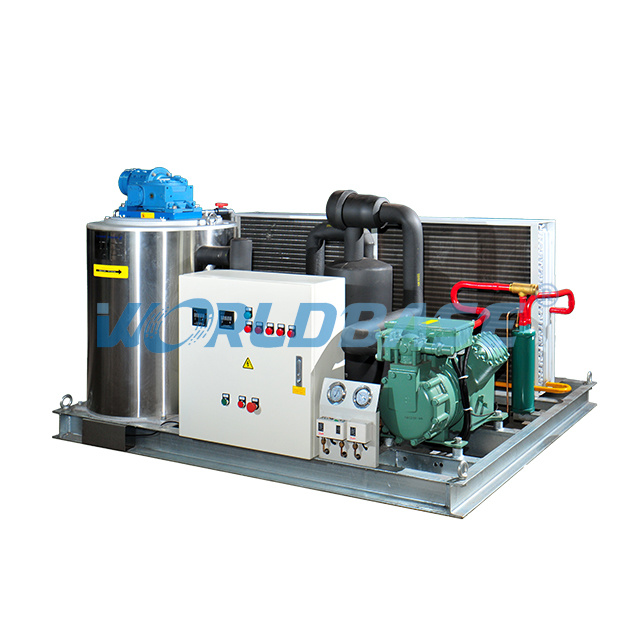
Bringing a new piece of equipment into your workspace often feels like playing a game of Tetris with your floor plan. It’s not just about finding a spot where it will physically fit—you need to maintain workflow, ensure access for maintenance, and keep the space functional without cramping every other operation. The real art lies in achieving that seamless integration where the machine becomes a natural part of the layout, rather than a bulky intruder.
The secret is to start with a thoughtful evaluation of how the machine will be used day to day. Where do materials enter? How do finished pieces exit? What kind of space does the operator genuinely require around it? By mapping out the flow and adjacent processes, you can often discover clever placement opportunities you’d miss by just staring at the machine’s dimensions. Sometimes rotating it by a few degrees or tucking it into a nook everyone overlooks makes all the difference—without compromising performance or safety.
Don’t let the numbers on the spec sheet dictate every decision. Vibration, noise, and heat dissipation can all influence where a machine should sit, and these factors rarely show up in a simple footprint diagram. A little creativity with vertical space, shared work zones, or reconfigurable guarding can unlock floor space you didn’t know you had. The goal is a setup that feels like it belongs there from the start—running smoothly, accessible when it needs to be, and invisible when it doesn’t.
Production Capacity: Planning for Rush Hour
Factoring in surge demand isn't just about adding more shifts or running machines faster—it’s about designing flexibility into the production line long before the rush hits. When orders spike, lines that depend on static schedules or rigid workflows start to buckle. Instead, building in modular stations, cross-trained staff, and buffer inventory of critical subcomponents can absorb the shock without collapsing on-time delivery rates.
A common misstep is mistaking “capacity” for “headcount.” Real planning revolves around throughput time per unit, not how many hands are on deck. During peak periods, bottlenecks shift—a work center that hums along at a steady 30 units per hour suddenly becomes the constraint when upstream processes accelerate. Running what-if simulations using historical order patterns lets teams pre-stage materials, stagger breaks, and tweak staffing levels before the alarms go off.
Often overlooked is the human element: the first hour after a changeover or lunch break tends to drag, while the final hour of a shift often pushes out the highest volume. Rethinking shift overlaps, introducing staggered start times, or even short burst sprints can flatten output without piling on overtime pay. Tying real-time output data to gentle nudges on the floor—like a dashboard that silently signals a pace slip—keeps momentum without micro-managing.
Keeping It Cool: Energy Efficiency Secrets
Most people crank up the AC without realizing a few simple tweaks can deliver the same relief while slashing energy bills. Start by setting your thermostat a few degrees higher when you're away—smart or programmable thermostats can handle this automatically, so you never come home to a sweltering house. Ceiling fans are a secret weapon: they create a wind-chill effect that makes you feel up to 4°F cooler, letting you raise the thermostat without losing comfort. Just remember fans cool people, not rooms, so turn them off when you leave.
Your home itself can be a cooling ally. During peak sun hours, close blinds or draw curtains on south- and west-facing windows to block unwanted heat gain. Insulation isn't just for winter—it keeps heat out in summer too, especially in the attic where temperatures can soar. Planting leafy trees or installing awnings outside sun-baked windows provides shade that can lower indoor temperatures noticeably, reducing the load on your air conditioner.
Don't forget the little heat-generating culprits: appliances and lights. Swap old incandescent bulbs for LEDs, which emit far less heat, and avoid using the oven on hot days—microwaves, slow cookers, or outdoor grills keep the kitchen cooler. Even electronics on standby mode produce warmth, so unplug them or use smart power strips. Finally, give your air conditioner some love: clean or replace filters monthly during heavy use, and ensure the outdoor unit is free of debris and has plenty of airflow. These small acts add up to a cooler home and a leaner electric bill.
Noise Levels: Why Your Bartender Hates the Machine
The relentless hum and grind of high-powered blenders has become the bane of many bartenders' existence. It's not just about the annoyance of a loud motor—it's about how that noise slowly chips away at the entire bar experience. In a space where conversation and atmosphere are currency, a machine that roars every time a frozen margarita is ordered can feel like an enemy to the very soul of the venue.
Think about the last time you leaned in to share a story with a friend, only to be cut off by the piercing whir of crushed ice. That interruption isn't just jarring; it forces bartenders to shout over the racket to take orders or describe specials. Over a shift, this constant noise fatigue isn't just tiring—it breaks the rhythm of service and leaves staff drained. A bar should have a soundscape that invites people in, not one that pushes them to the edges of the room.
Beyond the immediate headache, loud machinery masks the delicate sounds that make a bar feel alive: the clink of glassware, the subtle fizz of a freshly opened bottle, the easy laughter of guests. When the mechanical drone takes over, the bartender loses the ability to connect through those small, meaningful moments. It's no wonder so many in the industry quietly resent the gadget that steals the room's natural pulse and replaces it with something far less human.
Cleaning and Care: The Dirty Truth About Neglect
Most people don't realize that skipping regular cleaning isn't just about appearances – it's an open invitation for bacteria, mold, and allergens to set up camp in your living space. A forgotten spill under the couch or a dusty vent might seem harmless, but over weeks they quietly degrade air quality, triggering sniffles and skin irritations that you’d never link back to that one missed wipe-down. The real cost isn’t just the grime you can see; it’s the slow, invisible buildup of stuff that actively works against your well-being.
Fabrics hold secrets you’d rather not know. Upholstery, carpets, and even your favorite throw blanket act as sponges for dead skin cells, pet dander, and microscopic bugs that feast on both. Without a consistent care routine, these textiles become reservoirs of filth that release particles every time you sit down or ruffle a cushion. It’s not about being obsessive – a quick vacuum or a monthly steam clean can disrupt the cycle, keeping your soft surfaces from turning into something that belongs in a Petri dish.
Then there’s the harder stuff: neglected appliances and fixtures turn on you faster than you think. A coffee maker with old water residue, a washing machine that never gets a cleaning cycle, or showerheads caked with mineral buildup – they all harbor slime and foul odors that get redistributed onto the very things you’re trying to clean. Regular descaling and wiping down seals might feel tedious, but it’s the difference between a home that smells fresh naturally and one that you’re constantly covering up with plug-in scents.
FAQ
Most buyers fixate on price or brand and completely overlook their actual daily ice usage. Measure your peak demand in pounds or kilos—accounting for the busiest days—and add a 20% buffer. Undersized machines work harder, break faster, and leave you scrambling during rush hours.
Forget the spec sheets for a moment. Start with how you use ice: cooling drinks, food displays, healthcare, or cocktail bars each have vastly different needs. A restaurant might need 1.5–2 pounds per seat, while a hospital might use up to 10 pounds per patient bed. Think in terms of worst-case scenarios, not averages.
Shape directly impacts drink dilution, cooling speed, and presentation. Nugget ice (chewable, soft) is a hit for sodas and healthcare. Cube ice melts slower—ideal for spirits. Flake ice is perfect for seafood displays. Crescent shapes slide easily in cups. Avoid getting seduced by novelty shapes unless it’s central to your brand experience.
Self-contained units are plug-and-play: everything’s in one box, no remote condenser needed. They’re simpler to install and move—great for tight spaces. Modular systems separate the ice maker from the storage bin, giving you higher output and flexibility. For most small cafés, a high-quality self-contained unit under 80 pounds daily production hits the sweet spot of space, cost, and reliability.
Yes, and it’s where many owners get burned. Expect to spend $200–$400 annually on professional cleaning, filter replacements, and occasional sensor checks. Hard water areas need water filters changed every 6 months. Skipping maintenance leads to slow production, off-tasting ice, and compressor failures that cost more than a new machine. It’s not glamorous, but it’s non-negotiable.
A time-initiated purge system. Most machines purge mineral-laden water during the harvest cycle, but a smart purge that flushes the system after a set idle period prevents scale buildup far more effectively. Also, look for programmable production schedules—they let you run the machine during off-peak electricity hours, cutting energy bills without sacrificing ice supply.
It’s doable if you respect ventilation clearance. Air-cooled condensers need at least 6–8 inches of breathing room on all sides; otherwise, they’ll overheat and cycle off repeatedly. For genuinely hot, greasy environments, a remote condenser unit (placed outside) or a water-cooled model (if water use isn’t a concern) avoids those ambient heat headaches entirely.
Conclusion
Choosing the right ice machine starts with focusing on the ice itself—different shapes serve different purposes. Nugget ice, with its chewable softness, is a hit in healthcare and fast-casual dining, while crystal-clear cubes are the gold standard for high-end cocktails because they melt slowly and look impeccable. Flake ice, moldable and quick-chilling, shines in seafood displays and therapeutic settings. Once you’ve narrowed down the ice type, the next hurdle is physical space. Measure your designated area meticulously, leaving clearance for ventilation and door swing, and consider whether a slim undercounter unit or a larger modular head with a separate bin fits without turning your back-of-house into a cramped mess. Don’t overlook production capacity either—calculate your peak demand realistically, not just the daily average. A machine that can’t keep up during the lunch rush or a busy happy hour will leave your team scrambling, so factor in recovery time between cycles and opt for a model that delivers a buffer beyond your busiest hour.
Beyond pure output, the long-term experience of owning an ice machine hinges on efficiency, noise, and maintenance. An Energy Star–rated unit with thick insulation and efficient components quietly lowers utility bills, and many modern machines feature sleep modes or timers that adapt to off-peak hours. Noise is a make-or-break detail—nobody wants a roaring compressor making conversation impossible behind the bar or in an open kitchen. Look for decibel ratings and vibration dampening if the machine lives near customer-facing areas. Finally, the dirty truth is that neglect ruins machines faster than heavy use. Hard water scales, mold, and biofilm accumulate in hidden nooks when you skip regular deep cleaning. Models with accessible filters, self-cleaning cycles, and tool-free component removal drastically cut down the chore. When you invest in one that’s easy to maintain, you guard both the ice quality and the lifespan of your equipment, keeping your operation running smoothly for years.
Contact Us
Contact Person: Mr Yang
Email: [email protected]
Tel/WhatsApp: +8613809083091
Website: https://en.worldbase.cn