
Hollow Wall Winding Pipe Machine Manufacturer Tips for Choosing a Reliable Partner
2026-11-16
Selecting the right hollow wall winding pipe machine manufacturer can make or break your production line—one wrong choice leads to costly downtime and inconsistent pipe quality. While many suppliers claim reliability, few deliver the engineering precision and after-sales support you actually need. That’s why partnering with an experienced specialist like COMRISE changes the game: you get proven technology tailored to your diameter range, material blends, and output targets. In this guide, we cut through the sales talk and highlight the practical criteria—from core component sourcing to real-world field performance—that separate dependable partners from risky shortcuts. Because when your reputation depends on every meter of pipe leaving the factory, settling for 'good enough' simply isn’t an option.
Run Their Machine with Your Own Resin Before You Commit
A spec sheet can list layer heights all day, but it won't tell you how a machine handles the resin you already trust. Bring a bottle of your go-to material to the demo or borrow a unit from a friend. Watch how the build plate peels, listen for odd suction sounds, and check whether the cured surface matches what your current workflow expects. That mismatch is where post-processing time quietly doubles.
Most printers behave differently once you swap the manufacturer's sample bottle for your own blend. Viscosity changes, exposure windows shift, and suddenly the fast slicer profile you saw online leaves a tacky finish on your parts. Running your own resin early exposes these quirks without costing you a full purchase and days of trial prints. Ask to fill the vat yourself, not with their pre-dialed mixture.
If a seller hesitates to let you test with your own resin, treat that as information. The machines that earn a place on your bench are the ones that tolerate your materials, not the ones that demand a proprietary ecosystem. A short test with a familiar resin tells you more than any polished demo reel ever will.
Look for Field-Proven Lines, Not Just Factory Demos
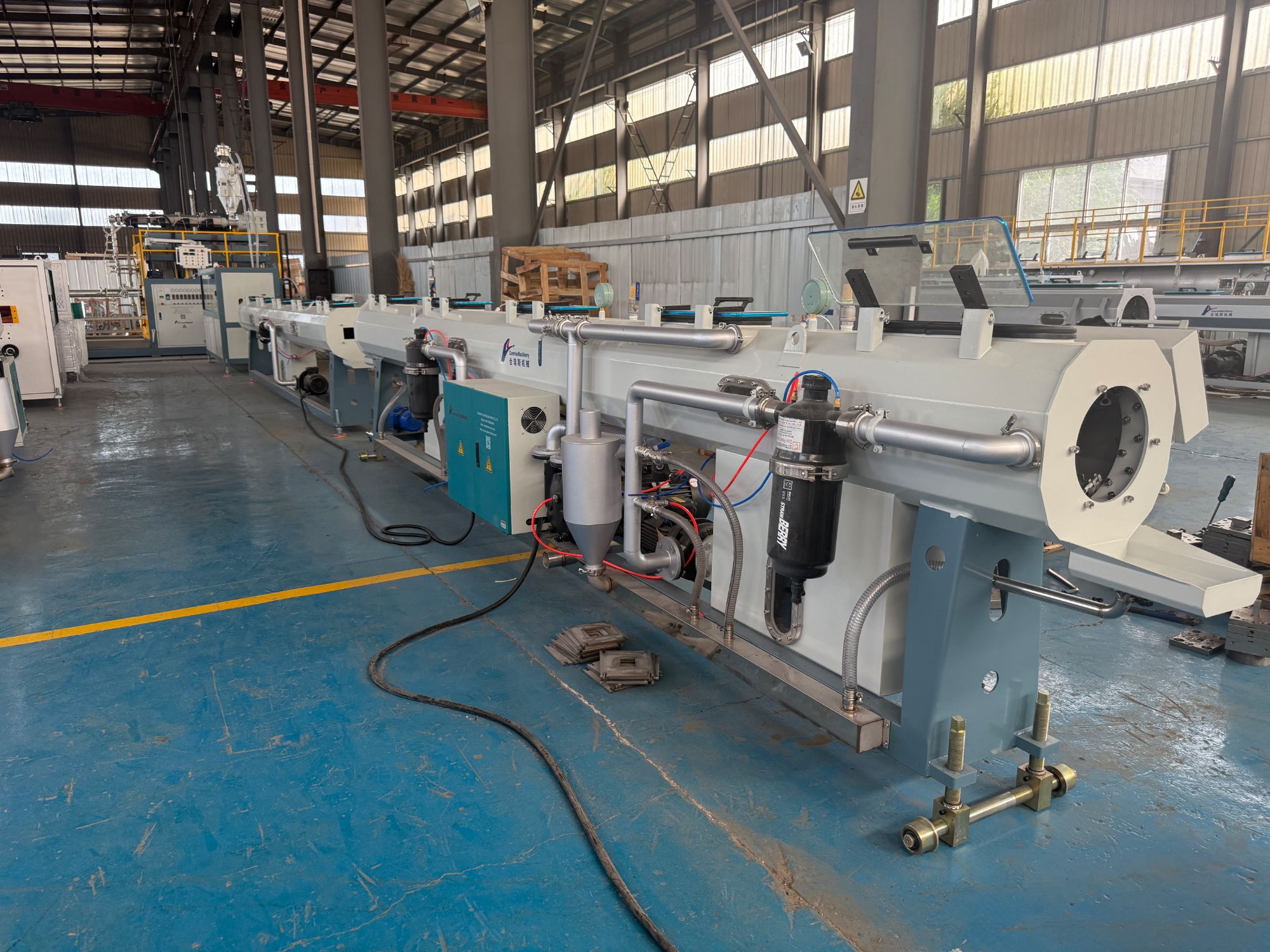
A factory demo can make any line look flawless—clean floors, tuned parameters, a vendor engineer hovering nearby. But real production is messier. Dust, vibration, operator turnover, raw material variation. Field-proven lines have already survived those conditions. Ask for references where the exact configuration has run for at least a year, not just a pilot.
Dig into uptime logs and maintenance records, not polished case studies. A line that runs three shifts at 85% OEE in a noisy plant tells you more than a two-hour demo at 99%. Look for signs of improvisation: added sensors, modified fixtures, bypassed steps. Those are fingerprints of reality.
Vendor demos are staged; field-proven lines are earned. When you visit a reference site, talk to operators and maintenance techs, not just the plant manager. They will tell you about jam clearance, changeover pain, and whether the vendor actually answers calls after install.
Ask How They Control Wall Thickness Uniformity at the Weld Joint
Rather than accepting a blanket "we hold tight tolerances," you want specifics. Ask exactly how they keep wall thickness consistent around the weld joint—what clamping or fixturing they use during fit-up, whether they track misalignment (hi-lo) with a gauge at multiple points around the circumference, and what pass/fail limit they apply before welding starts. The answer should tell you if they are catching problems early or chasing them after the fact.
The method of welding matters just as much as the prep. Ask about their heat input controls, travel speed, and filler metal deposition rate. A weld that is over-reinforced on one side or under-filled on the other changes the effective wall thickness. Good fabricators will mention techniques like controlled weaving, stringer bead placement, or even thin overlay passes to build thickness gradually instead of pouring heat into one spot and risking burn-through or sagging.
Finally, ask how they verify the finished joint. A credible shop will use ultrasonic thickness testing or a calibrated mechanical gauge at several points around the weld, not just a visual check. If they can show you a written record of measured thickness before and after weld dressing, including any areas that were machined or ground back to match the parent material, that is a strong sign they actually control what they claim.
Demand Energy Consumption Data per Meter, Not Just Motor Power
Industrial energy audits often fixate on motor nameplate wattage, but that number is a static rating, not a live picture of how your facility actually burns kilowatt-hours. A 50 kW motor running at 35% load with a poor power factor can draw surprisingly different real power than the spec sheet implies. What you need is consumption data captured at each meter point—sampled frequently, logged over time—to see not just spikes, but the shape of energy use across shifts, seasons, and specific production lines.
Meter-level data exposes what motor ratings hide: start-up transients, idle periods where motors keep spinning without useful work, harmonic losses from variable frequency drives, and phase imbalances that quietly waste energy. Two identical machines can have wildly different consumption profiles depending on maintenance, operator behavior, or even how the wiring was installed. By demanding granular per-meter data, you shift from guessing an average load to pinpointing exactly when and where each kilowatt goes missing.
This isn't about adding more sensors for the sake of dashboards. It's about tying consumption directly to operational decisions—stopping scheduled runs that cost more than they produce, catching a failing bearing before it triples a motor's draw, or rebalancing phases without guesswork. The motor power figure is a starting assumption; meter data is the evidence that lets you act with confidence, reduce demand charges, and uncover savings that a nameplate alone would never reveal.
Check If Their Service Team Can Reach Your Plant Within Two Days
One of the first things I ask any potential supplier is how fast their engineers can be on-site when something goes wrong. A two-day window is often the difference between a small hiccup and a full production stop. If their service team is based overseas or relies on third-party contractors, that timeline can stretch into weeks.
Don’t just take their word for it. Ask for a real example of an emergency call they handled for a customer in your region. Check the distance between their nearest service hub and your plant. If they can’t name a technician within a reasonable drive or flight, you’re likely to be left troubleshooting alone.
This matters most for critical equipment—compressors, CNC machines, packaging lines. If a key asset goes down and you’re waiting five days for a fix, the lost output can erase months of savings from a cheaper quote. A supplier who can’t guarantee a two-day response is essentially asking you to carry the risk.
Get a Full Spare Parts Cost Breakdown, Not Just the Machine Price
A machine’s sticker price rarely tells you what it actually costs to keep running. Many suppliers quote only the base unit, then hit you later with separate charges for wear parts, filters, belts, seals, and sensors. Before you compare any quotes, ask for a line-item breakdown of the spare parts recommended for at least the first year or the first 2,000 operating hours.
Without that level of detail, you are essentially guessing. One vendor might look cheaper upfront but use expensive proprietary consumables that you can only buy from them. Another might include a starter kit of critical spares in the initial price. A full breakdown lets you see the real cost of ownership before you commit.
Also pay attention to lead times and minimum order quantities hidden in the fine print. A machine with a low purchase price but spare parts that take three weeks to arrive can end up costing far more in downtime than a slightly pricier option with readily available components. Demand the full parts picture before signing anything.
FAQ
Look for evidence they run trial batches with your own raw materials before shipping. A builder that asks detailed questions about your pipe diameters, wall thickness targets, and plant conditions is far more likely to deliver a machine that works from day one.
Ask for contact details of plants running the same diameter range and output you need. Call them and ask about downtime frequency, how fast the supplier responds when something breaks, and whether the winding head stays stable during long runs.
It's the heart of the line. A well-designed head should allow quick pipe size changes without forcing you to swap out many parts. If a manufacturer cannot explain how their head controls wall thickness uniformity across the full diameter range, treat that as a warning sign.
At minimum, they should hold critical wear items like barrel screws, heating bands, and winding rollers. Ask for a written list of recommended spares for the first two years of operation. A partner that pushes you to stock expensive electronics upfront may not have a solid local service network.
For a standard line, expect 60 to 90 days for production and another two to three weeks for installation and trial runs. Be wary of anyone promising much faster delivery; it often means they are skipping factory testing or using lower-grade components.
Request the rated power per kilogram of output rather than just total installed kilowatts. Then ask for actual meter readings from a running plant. Numbers on a brochure mean little if the extruder and cooling system are not tuned to work together.
Insist on a guaranteed response time for remote troubleshooting and a clear escalation path to a senior engineer. Also confirm whether they offer on-site training for your operators beyond the initial installation week, because winding pipe lines have many small adjustments that only experience teaches.
Conclusion
Choosing a hollow wall winding pipe machine manufacturer is rarely about the shiniest brochure or the boldest sales pitch. It comes down to how the equipment behaves when your own materials run through it under real production conditions. Insist on a trial using your resin before signing anything, because a machine that performs flawlessly with a supplier's optimized feedstock can struggle with variations in your raw material. Equally important is asking where their lines are actually installed and running—not just in a controlled demo hall. A field-proven system that has been producing pipe for months or years tells you far more about longevity and practical reliability than a polished factory demonstration ever could.
Beyond the machine itself, dig into the details that affect daily operating cost and uptime. Ask specifically how the manufacturer controls wall thickness uniformity at the weld joint, since that is a common weak point that shows up only under sustained load. Request energy consumption data per meter of pipe produced rather than accepting motor power ratings, because real efficiency is measured in kilowatt-hours per meter, not nameplate horsepower. Service responsiveness matters just as much: find out if their technicians can realistically reach your plant within two days, especially if you run multiple shifts and cannot afford long downtime. Finally, get a complete spare parts cost breakdown up front—wear items, screws, barrels, heaters, and sensors—so the initial machine price does not hide an expensive long-term operating burden. A trustworthy partner will answer all of these questions clearly and without hesitation.
Contact Us
Contact Person: LISA LEE
Email: [email protected]
Tel/WhatsApp: +86 13780696467
Website: https://www.qdpipemachine.com