
Fourth-Generation Hydraulic Cement Molds: Partnering with a High-Quality Manufacturer
2026-07-03
The construction industry never stands still, and the arrival of fourth-generation hydraulic cement molds is a clear sign of where things are heading—toward faster cycles, tighter tolerances, and less waste. But technology alone won’t give you the edge; the real difference comes from who you partner with. LugongMachinery has built its reputation around making that partnership count, delivering molds that don’t just keep up with the latest advances but often set the pace.
The Evolution of Hydraulic Cement Molds Over Four Generations
The earliest hydraulic cement molds were little more than wooden frames hammered together on-site, their rough interiors leaving a permanent texture on the hardened blocks. These first-generation tools relied entirely on the skill of the mason to pack the damp mix evenly, and the results were as inconsistent as the weather they cured in. Cracking and uneven density were routine complaints, yet the simplicity of the design meant anyone with a saw and nails could build one. It was a brute-force approach that valued availability over precision, and each cast bore the unmistakable signature of its maker’s hurried labor.
By the second generation, steel-reinforced molds with collapsible sides had begun appearing in larger workshops. The shift from wood to welded plate steel brought a newfound rigidity that reduced warping, while hinged corners allowed for faster demolding without breaking the green product. Craftsmen started coating the interior faces with linseed oil or thin greases to create a smoother release, and adjustable bolts let them tweak the dimensions slightly for different block sizes. Still, these molds were heavy and required two workers to operate efficiently, limiting their adoption to well-funded projects where consistency mattered more than speed.
The third and fourth generations transformed the process entirely through modular aluminum frames and vacuum-assisted casting. Lightweight aluminum alloys slashed the physical burden, and interlocking panels made it possible to switch between pavers, coping stones, and decorative panels in minutes. Vacuum systems pulled excess water from the slurry before it set, yielding denser pieces with fewer surface voids and greater freeze-thaw resilience. The latest molds now incorporate micro-textured liners that replicate natural stone grain so faithfully that only a tap of the finger reveals the man-made origin—a quiet leap forward that owes as much to materials science as to the centuries-old ambition of shaping stone without waiting for geology.
What Sets a Premium Manufacturer Apart in Mold Design
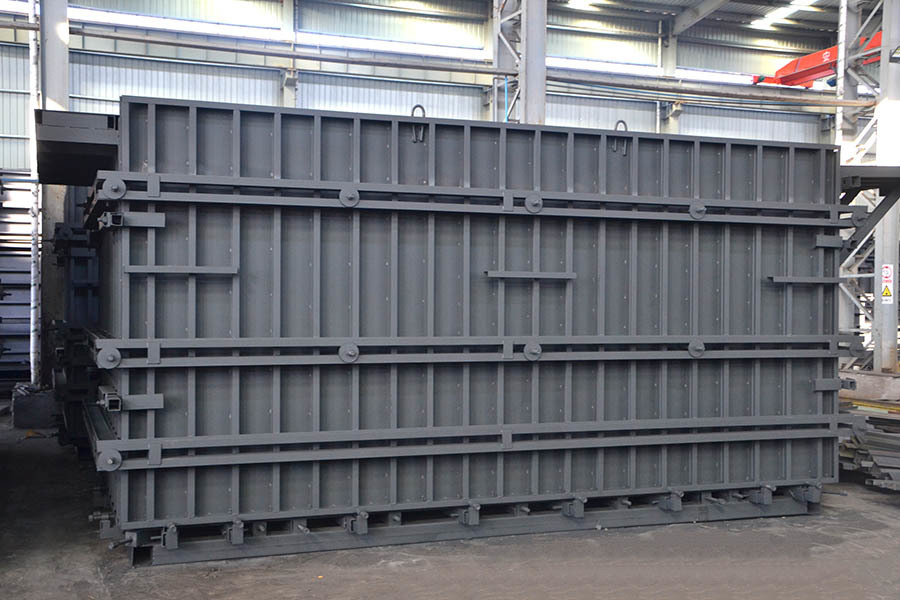
In mold design, the real differentiator isn’t just the software or the machinery—it’s how deeply the manufacturer understands the lifecycle of the part being molded. A premium partner thinks beyond the blueprint. They assess how the material will flow, shrink, and cool under real production conditions, often anticipating issues that linear simulations miss. This hands-on intuition comes from years of troubleshooting on the floor, not just from theoretical models. The result is a mold that not only matches the spec but also reduces warpage, improves cycle time, and holds tolerances even when the environment gets a little unpredictable.
Another hallmark is the willingness to challenge assumptions during the design review. Premium manufacturers don’t just nod along with every customer request; they probe the function and end-use of the part. If a gate location looks clean in CAD but will create a weak knit line in practice, they’ll flag it and propose an alternative that might initially seem unconventional—like relocating the parting line or tweaking an undercut. This kind of collaborative friction, where engineering judgment overrides the ease of mirroring an existing file, often prevents costly iterations later. Their feedback is grounded in empirical data from past projects, yet framed as a conversation rather than a lecture.
Finally, it’s the hidden details in the tooling that reveal a premium touch. From the choice of venting techniques to the subtle texturing on a cavity surface, these decisions are rarely spelled out in a contract. They stem from a culture that treats mold-making as a craft, not just a step in the supply chain. For instance, a manufacturer that self-performs heat treatment and finish grinding in-house will consistently deliver tighter fits than one that outsources these steps—simply because they control the process variables directly. That control becomes visible in the longevity of the mold and the consistency of every shot, long after the initial buzz of the launch fades.
Material Breakthroughs That Redefine Durability Standards
For decades, durability meant little more than resisting scratches and surviving a few drops. Engineers leaned on tried-and-true metals and thick polymers, accepting that even the best materials would eventually fatigue, crack, or corrode. The trade-off was always the same: add more bulk for longevity, or stay slim and sacrifice resilience. This old equation left countless devices, tools, and structures with a predictable shelf life, and consumers simply learned to live with it.
Today, a wave of material science is rewriting that narrative. Self-healing polymers, for instance, can repair micro-fractures at a molecular level when exposed to heat or light, effectively erasing wear before it spreads. Graphene-infused composites deliver structural integrity that rivals steel at a fraction of the weight, while ceramic alloys handle extreme temperatures and acids without flinching. These aren’t just incremental tweaks—they’re genuine leaps that dissolve the old compromises between strength, weight, and flexibility.
What makes this shift so profound is how it trickles into everyday objects. Phone screens that bounce back from waist-high falls, medical implants that outlast the patient, and automotive parts that shed rust for decades are no longer speculative prototypes. They’re quietly entering the market, forcing entire industries to recalibrate what “long-lasting” even means. The new durability standard isn’t about surviving damage—it’s about thriving through decades of stress without ever showing the strain.
How Precision Engineering Enhances Project Efficiency
Precision engineering transforms how projects unfold by eliminating guesswork from the design phase. Digital modeling tools let teams test countless scenarios before breaking ground, spotting conflicts that would otherwise surface during construction. When every measurement is verified to the millimeter and material specifications are exact, the entire workflow tightens up: crews spend less time adjusting misfits, procurement runs smoother, and the timeline stops slipping.
Beyond the obvious cost savings, this approach creates a feedback loop that sharpens future performance. Data from precision-manufactured components flows back into planning models, making each iteration smarter. It’s not just about getting things right the first time—it’s about building a system where efficiency compounds, turning reliable execution into a competitive advantage without extra effort.
Real-World Applications Across Diverse Construction Environments
From remote oil and gas installations to high-altitude bridge projects, the versatility of these solutions becomes evident when you see them in action. One crew working on a coastal energy facility managed to cut their weather-related downtime by 40% simply by switching to a modular containment system that could be assembled in half a day. The real story is in the adaptability—whether it’s resisting salt spray corrosion or handling sudden wind gusts, the tech evolves with the jobsite’s demands.
Urban environments throw a different set of curveballs. Consider a recent hospital expansion squeezed between two busy streets: the project team used self-climbing protection screens that not only shielded workers from falling debris but also kept noise levels low enough to maintain hospital operations. This isn’t just about compliance; it’s about keeping the surrounding community functional while construction pushes forward. Similar logic applies in historical restoration work, where custom-fit scaffolding wraps around centuries-old stonework without anchoring into fragile façades.
In cold climate zones, ordinary solutions often fail. That’s where heated enclosures with rapid-deploy weatherproofing come into play, enabling concrete pours at -20°C without relying on temporary shelters that would blow away in a blizzard. A mining project in northern Quebec reported completing their conveyor housing structure two months ahead of schedule using these systems. Across all these scenarios, the common thread is a shift away from one-size-fits-all thinking toward engineered systems that reflect the actual rhythm of each site.
Key Considerations When Selecting a Long-Term Manufacturing Partner
Building a lasting manufacturing relationship goes beyond checking boxes on a price and capacity list. It requires alignment on values that won’t appear in a standard audit form. How does a potential partner respond when your prototype fails mid-run? Do they proactively suggest design tweaks that reduce waste without adding cost? The way a factory handles surprise challenges—labor shortages, material substitutions, last-minute engineering changes—reveals more about their reliability than any polished capabilities deck. Look for evidence of adaptability embedded in their culture, not just documented in their procedures.
Dig into how a manufacturer invests in its own stability. Equipment upgrades are important, sure, but also observe the state of tier-2 supplier relationships and the depth of their bench strength on the production floor. A partner with a shallow workforce or a habit of chasing quick-turn clients might thrive during calm periods, but they risk folding under global disruptions. Ask about recent setbacks they’ve navigated—then listen for honesty, not excuses. A factory that openly discusses a logistics failure and its corrective steps is demonstrating the transparency a long-term partnership demands.
Finally, gauge their willingness to grow with you rather than just serve you. A true production ally pushes back when your assumptions risk quality and leans in during innovation phases, even before formal contracts are signed. If their communication style mirrors that of a dedicated internal team—with rapid, clear updates and a shared sense of urgency—you’re likely dealing with a partner, not just a vendor. These intangible signals often separate decades-long bonds from regrettable short-term deals.
FAQ
They represent the latest advancement in mold technology for shaping cement-based materials, featuring improved precision, faster cycle times, and enhanced durability. Unlike older designs, they incorporate automated pressure adjustment and modular components for greater versatility.
A dedicated manufacturer can customize the molds to your specific production needs, ensure tighter tolerances, and offer ongoing technical support. This partnership often leads to better product consistency and lower long-term costs compared to mass-produced alternatives.
They're widely used in construction for precast elements like pavers, blocks, and decorative panels, as well as in infrastructure projects requiring high-strength components. Even specialty sectors like landscaping and industrial flooring rely on them for reliable output.
A high-quality mold ensures dimensional accuracy, smooth surface finish, and consistent compaction. It reduces defects like air pockets or warping, which means fewer rejects and a stronger, more visually appealing final product.
Key features include intelligent pressure sensing for uniform material distribution, corrosion-resistant alloys for extended mold life, vibration-assisted filling to eliminate voids, and quick-change systems that minimize downtime during product switchovers.
Absolutely. Top manufacturers work closely with clients to engineer custom profiles, undercuts, or textured surfaces. The modular design of fourth-generation molds allows for flexible reconfiguration, making it easier to create even highly intricate parts.
Prioritize a partner with a proven track record in hydraulic systems, material science expertise, and after-sales service. Request samples of their work, check client testimonials, and evaluate their ability to scale production alongside your business.
Conclusion
The shift to fourth-generation hydraulic cement molds marks a decisive leap in construction technology, where decades of iterative refinement have culminated in systems that prioritize both precision and longevity. Early molds were simple formworks, but modern designs integrate advanced hydraulic mechanisms and computer-aided engineering, allowing for tighter tolerances and faster cycle times. A premium manufacturer brings more than just equipment to the table; they embed deep material science knowledge into every mold. Breakthroughs like nano-coated alloys and high-compression composites have redefined durability, resisting the abrasive nature of cement far longer than conventional steel. This translates directly to fewer pauses for maintenance and a more predictable production schedule on-site.
Real-world versatility is another hallmark of these systems, proven across highways, bridge piers, dam spillways, and prefabricated housing. In each environment, precision engineering minimizes waste and speeds up pours, fundamentally enhancing project efficiency. Yet the true advantage emerges when selecting a partner, not just a supplier. A forward-thinking manufacturer offers collaborative design input, adapts molds to regional material variances, and provides lifecycle support that extends well beyond the initial sale. By aligning with such a partner, contractors gain a reliable extension of their own capability, one that turns a simple molding tool into a strategic asset for consistently high-output, high-quality construction.
Contact Us
Contact Person: Zhang Zhenlai
Email: [email protected]
Tel/WhatsApp: 8618563210000
Website: https://en.lugongmachinery.com/