

Eco-Friendly FR Fabric: The Future of Sustainable Fire Protection
2026-07-03
As industries push for greener solutions without compromising safety, eco-friendly flame-resistant fabrics are no longer a niche idea—they're a necessity. Imagine a material that shields against fire while treading lightly on the planet. That’s exactly what DROTEX delivers. But what makes a fabric both fire-resistant and sustainable, and why does it matter now more than ever?
Redefining Safety: The Rise of Eco-Conscious Flame Retardancy
For decades, fire protection has relied on heavy doses of halogenated compounds that do their job but leave behind a trail of environmental and health concerns. These traditional flame retardants persist in ecosystems, accumulate in living tissue, and have been linked to developmental and hormonal disruptions. A shift is underway, driven not by regulation alone but by a growing recognition that safety shouldn’t come at the expense of long-term wellbeing. The new language of fire safety speaks in terms of lifecycle impact, bio-based alternatives, and molecular designs that break down harmlessly after use.
Innovators are turning to nature’s own defensive chemistry for inspiration. Phosphorus-rich plant extracts, chitosan from crustacean shells, and even DNA from herring sperm are being engineered into coatings and additives that stop flames without the toxic legacy. These materials often work by forming a protective char layer or releasing water vapor when heated, disrupting combustion without off-gassing persistent pollutants. What makes them compelling isn’t just their lower toxicity profile—it’s that they can match or exceed the performance of conventional retardants in key applications like electronics, textiles, and building materials.
The market is starting to pay attention. Major furniture brands now openly market products free of controversial flame retardants, and automotive interiors are adopting fabrics treated with phosphorus-based, halogen-free systems. Yet the real transformation may be cultural: fire safety is no longer viewed as a brute-force chemical problem but as a design challenge that demands elegance and accountability. As testing standards evolve to weigh ecological factors alongside ignition resistance, eco-conscious flame retardancy is quietly becoming the baseline expectation rather than a niche alternative.
Sustainable Shielding: How Material Innovation Transforms Fire Protection
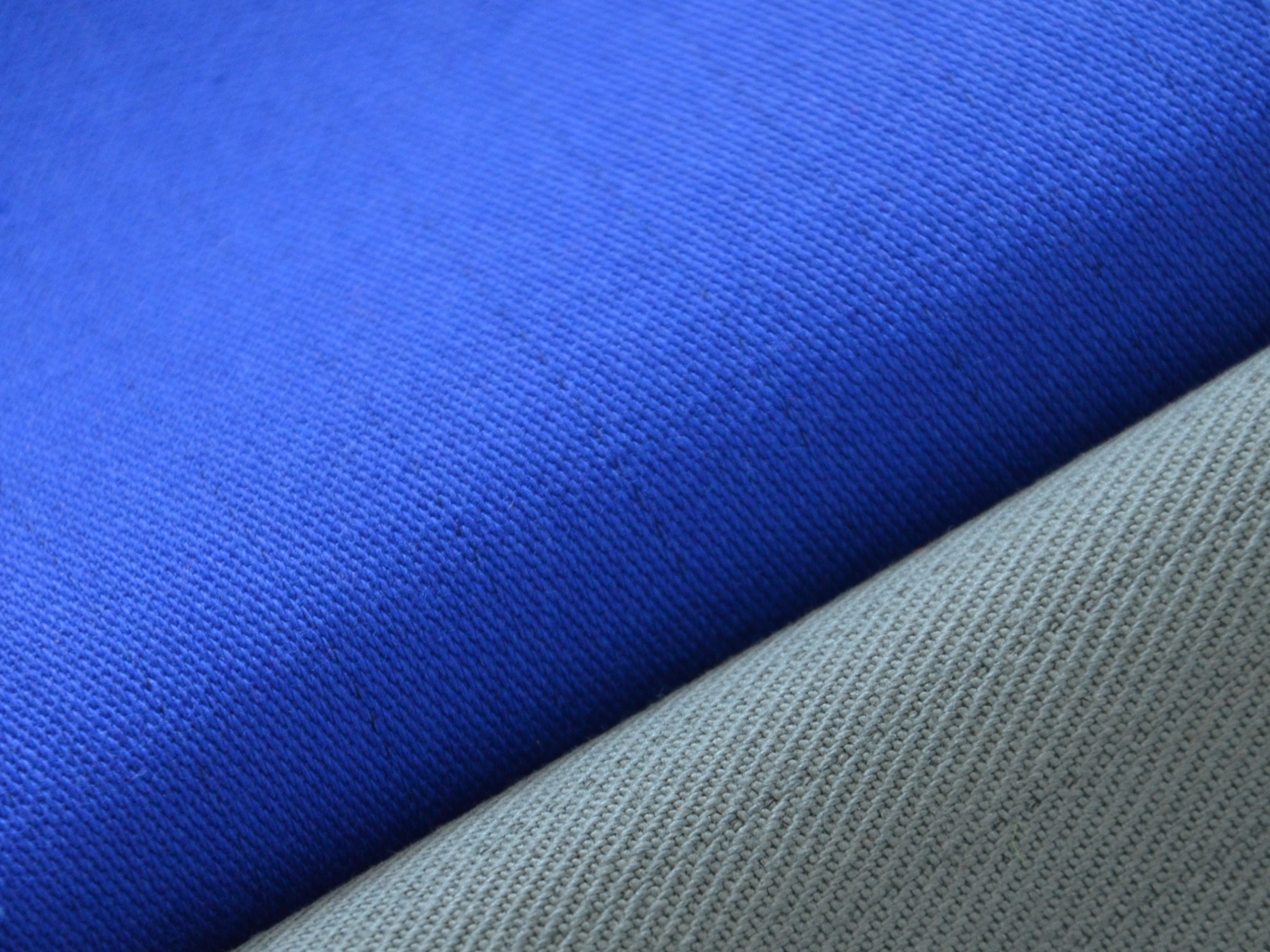
The old guard of fire protection—thick, chemically treated barriers and foams—often came with a hidden cost. While they stopped flames, they also left behind toxic residues and relied on raw materials that strained the planet. Today’s push for sustainability doesn’t mean compromising on safety. Instead, it has ignited a quiet revolution in material science, where the goal is to shield lives and structures without leaving a lasting scar on the environment.
At the heart of this shift are materials that work with nature rather than against it. Bio-based intumescent coatings, for instance, swell under heat to form a char layer using plant-derived compounds, offering protection comparable to traditional options but without halogenated flame retardants. Likewise, mineral-based panels made from industrial by-products or recycled glass can withstand extreme temperatures while diverting waste from landfills. These innovations don’t just meet fire codes—they rewrite them, proving that high performance and ecological responsibility can go hand in hand.
What makes this transformation truly exciting is its potential to ripple across industries. Architects can now specify fire-resistant timber treated with benign chemistry, enabling taller wooden buildings that lock in carbon. Manufacturers are exploring self-healing composites that extend product life, reducing the need for replacement. Each breakthrough chips away at the notion that safety demands sacrifice, showing instead that the cleverest solutions are often the most harmonious—protecting both our built world and the one beyond it.
Fiber to Future: Breakthroughs in Green Flame-Retardant Technology
For decades, flame-retardant textiles have relied on halogenated chemicals and heavy metals—effective, yes, but burdened by toxicity and environmental persistence. As the textile industry pivots toward circularity and safer chemistry, the fiber itself becomes the frontline of innovation. The quest isn't simply to stop fire; it's to redesign protection from the molecular level up, using nature's own building blocks.
Recent leaps have been nothing short of transformative. Biopolymer coatings extracted from chitosan and phytic acid now rival synthetics in char formation, while nano-layered clays and graphene oxide create dense, insulating barriers at minimal loadings. Researchers are even engineering fibers to intumesce on contact with heat—swelling into a carbon shield without releasing toxic smoke. These advances sidestep the old trade-offs, preserving fabric hand, breathability, and recyclability.
Looking ahead, the convergence of protein engineering and additive manufacturing promises fibers that self-extinguish inherently. Imagine sportswear that meets rigorous safety codes yet composts at end of life, or automotive interiors that protect occupants without off-gassing. The industry is rewriting the rulebook: flame retardancy is no longer a chemical afterthought but a core fiber attribute, woven into a future where performance and planetary health finally align.
Balancing Safety and Ecology: The Case for Non-Toxic Fire Barriers
As wildfires intensify and urban development pushes deeper into fire-prone areas, the demand for effective fire barriers has never been greater. Yet, in our quest for safety, we must not overlook the ecological ripple effects of the materials we choose. Traditional fire barriers often rely on chemical treatments that can leach into soil and water, harming plants, wildlife, and even human health over time. Non-toxic alternatives offer a critical middle ground, maintaining robust fire resistance without introducing persistent environmental contaminants.
Modern non-toxic fire barriers leverage innovations such as mineral-based intumescent coatings, bio-based flame retardants, and naturally fire-resistant fibers. These materials char or expand when exposed to heat, creating an insulating layer that slows flame spread, yet they break down safely after a fire or at the end of their service life. By selecting such solutions, land managers and builders can meet stringent fire codes while preserving sensitive ecosystems, from watersheds to wildlife corridors. The upfront costs, once a barrier, are now declining as production scales and long-term savings from reduced environmental liability become apparent.
Ultimately, the shift toward non-toxic fire barriers reflects a broader recognition that safety and ecological stewardship are not mutually exclusive. In many regions, policy incentives and certification programs are beginning to favor green fire protection products, accelerating their adoption. For communities on the front lines of climate-driven fire risks, investing in these technologies means protecting not just property, but the natural systems that sustain life. The case for non-toxic barriers is not just about immediate defense—it's about building resilience that endures without collateral damage to the environment.
Nature’s Blueprint: Bio-Inspired FR Fabrics for Next-Gen Performance
Observing the natural world reveals astonishing fire resistance strategies. From the thick, insulating bark of sequoias to the self-extinguishing properties of certain plant fibers, evolution has devised elegant solutions for thermal protection. Researchers are now decoding these biological blueprints to engineer flame-resistant fabrics that go beyond simple chemical treatments. The goal is not just to impede fire, but to create materials that char controllably, release flame-diluting gases, or form protective intumescent barriers—mimicking processes seen in organisms that thrive in fire-prone ecosystems.
Material scientists are turning this inspiration into tangible textiles. By studying the layered cellular structure of cork or the silica-rich skeletons of deep-sea sponges, they develop fiber blends and coatings that resist ignition and reduce smoke toxicity. For instance, incorporating biomolecular templates from whey proteins or phytic acid—a compound found in seeds—helps create durable, wash-stable FR finishes that outperform conventional halogenated additives. These bio-inspired approaches often yield lightweight fabrics that maintain breathability and comfort, addressing long-standing trade-offs in protective gear.
The next generation of FR fabrics will likely integrate living functions, not just static barriers. Imagine self-healing char layers inspired by reptile skin, or fibers that sense heat and trigger a cooling response by mimicking plant stomata. Such concepts, now in early development, could lead to uniforms or industrial textiles that adapt dynamically to thermal threats. By embracing nature’s design logic, the industry moves toward inherently safer, more sustainable performance textiles that use fewer harmful chemicals and reduce environmental footprint across their lifecycle.
Eco-Friendly Fire Safety in Architecture and Apparel: Setting New Standards
The drive toward safer, greener buildings and clothing has sparked a quiet revolution in how we think about flame resistance. Instead of relying on harsh chemical treatments that linger in the environment, researchers and designers are turning to nature’s own playbook. In architecture, mineral-based coatings derived from clay or bio-based foams can create a protective char that slows fire spread without off-gassing toxins. These solutions don’t just meet safety codes—they actively contribute to healthier indoor air and a lower carbon footprint across a structure’s lifetime.
The apparel world faces its own challenge: we need performance without compromise. New fiber blends incorporate proteins from wool, silk, and even milk casein that naturally resist ignition while remaining biodegradable. By engineering these at the molecular level, manufacturers can produce everyday garments—from children’s sleepwear to work uniforms—that shed heat instead of fueling it. The best part? They don’t leave behind the persistent chemical residues that traditional flame retardants are notorious for, giving wearers true peace of mind without hidden ecological costs.
Setting fresh standards means rethinking testing and certification, too. Progressive labels now require a full life-cycle assessment, making sure a product’s fire safety credentials aren’t undone by its manufacturing or disposal. Architects and brands who embrace this thread of accountability see it as a chance to lead, not to follow. They’re proving that fire protection and environmental stewardship aren’t rival goals—they’re natural partners in building a future we can trust.
FAQ
It's a textile engineered to resist ignition and flame spread while being produced from sustainable raw materials or through processes with lower environmental impact. Unlike standard FR fabrics that might rely on harsh chemical treatments or petroleum-based fibers, these fabrics often use recycled fibers, bio-based materials, or inherently flame-resistant natural fibers combined with non-toxic finishes.
The main distinction lies in the life cycle and chemistry. Traditional FR fabrics frequently involve halogenated compounds or heavy metal additives that can persist in the environment. Eco-friendly alternatives avoid these substances, opting for phosphorus-based or nitrogen-based flame retardants that break down more easily, or using fibers that are naturally fire-resistant without additional coatings, reducing pollution during production and disposal.
Sustainability comes from multiple angles: recycled content (like post-consumer PET bottles), renewable plant-based sources (such as lyocell or hemp), closed-loop manufacturing that reuses water and chemicals, and durability that extends product life. Some versions are also biodegradable or designed for easy recycling at end of life, minimizing landfill waste.
Their applications span protective clothing for industrial workers, firefighters, and military personnel; upholstery and curtains in public spaces like hospitals, hotels, and theaters; transportation seating; and even residential furnishings where safety standards are strict. They offer a lower ecological footprint in any setting that demands fire protection.
No, they are rigorously tested to meet the same flame-resistance standards as conventional options. Many exhibit excellent thermal stability, self-extinguishing properties, and char formation. Plus, they often provide additional benefits like moisture management, breathability, and comfort, making them a viable drop-in replacement without sacrificing safety.
Manufacturers may incorporate FR properties at the polymer level during fiber spinning, so the flame resistance is inherent. Others apply eco-friendly finishes through low-emission processes, such as plasma treatment or supercritical CO2 dyeing, which avoid toxic solvents. Water and energy consumption are monitored tightly, and waste is minimized through recycling streams.
The market is poised for significant growth as industries face stricter environmental regulations and consumer demand shifts toward greener products. Innovations in nanotechnology, bio-based flame retardants, and circular economy models will likely expand performance and affordability, making eco-friendly FR fabrics the norm rather than the exception in the coming decade.
Yes, credible products carry third-party certifications like OEKO-TEX Standard 100, which ensures no harmful substances, or GOTS for organic textiles. FR performance is validated by standards such as NFPA 701, ASTM E84, or EN 13501. Additionally, environmental claims are often backed by Life Cycle Assessments or labels like EU Ecolabel, giving buyers confidence in both safety and sustainability.
Conclusion
The pursuit of fire safety has long relied on chemical treatments that compromise environmental health, but a paradigm shift is underway. Eco-friendly flame-retardant (FR) fabrics are reimagining protection by embedding sustainable materials directly into fibers, eliminating harmful additives without sacrificing performance. Derived from renewable sources and innovative processes, these textiles are setting new standards in both architectural and apparel applications. The rise of eco-conscious flame retardancy reflects a broader commitment to weaving safety into the fabric of a circular economy, where every thread counts toward a cleaner, safer world.
Nature itself offers the most elegant solutions: bio-inspired FR fabrics mimic the char-forming abilities of plants and the thermal resilience of animal proteins, creating barriers that are both effective and non-toxic. This balancing act between ecology and safety is achieved through breakthroughs like phosphorus-rich biopolymers and enzymatic treatments that lock flame resistance into the molecular structure. As regulations tighten and consumer awareness grows, these sustainable shields are not just an alternative—they are becoming the benchmark for future fire protection, proving that safeguarding lives need not come at the planet’s expense.
Contact Us
Contact Person: Sandy
Email: [email protected]
Tel/WhatsApp: 86150 8310 5120
Website: https://www.frdrotex.com