

Eco Dust Suppressant Solutions for Cleaner Air and Healthier Communities
2026-11-02
Unpaved roads and construction zones are often overlooked sources of air pollution, sending fine particles into the air we breathe. The health consequences ripple through communities, especially for children and the elderly. Enter MST, a leader in eco dust suppressant solutions that tackle this problem at its source. Our approach not only keeps dust down but also supports cleaner air and healthier living spaces—naturally and effectively. In this post, we'll explore how these innovations work and why they matter for your community.
The Invisible Particles That Settle in Lungs, Not Just on Cars
The fine grit you wipe off a car’s windshield is only a fraction of what’s actually moving through the air. Far smaller bits—many of them too tiny to see without a microscope—slip past the body’s first defenses and end up deep in the lung’s branching airways. These aren’t the same particles that leave a visible film on paintwork. They come from brake pads grinding against rotors, tires wearing down on asphalt, and the constant churn of exhaust that never quite disappears, even with cleaner engines.
Once inhaled, the tiniest of these materials can cross from the air sacs into the bloodstream. That’s where the trouble quietly starts. Instead of settling on a surface where you can wash them away, they lodge in tissue and trigger a slow, low-grade inflammatory response. Over months and years, that background irritation has been linked to worsening asthma, heavier risks of heart strain, and a measurable drop in lung function among people who live near busy roads.
Cars may collect the dust you can see, but lungs are the real filter for what you can’t. The difference matters because most conversations about vehicle pollution still focus on the grime on a bumper or the smoke from a tailpipe. The invisible particles—especially the ultrafine ones—don’t announce themselves. They just accumulate in the places where oxygen is supposed to move freely, and that quiet accumulation is harder to reverse than a dirty car.
Decoding Eco Claims: What Actually Makes a Suppressant Safe
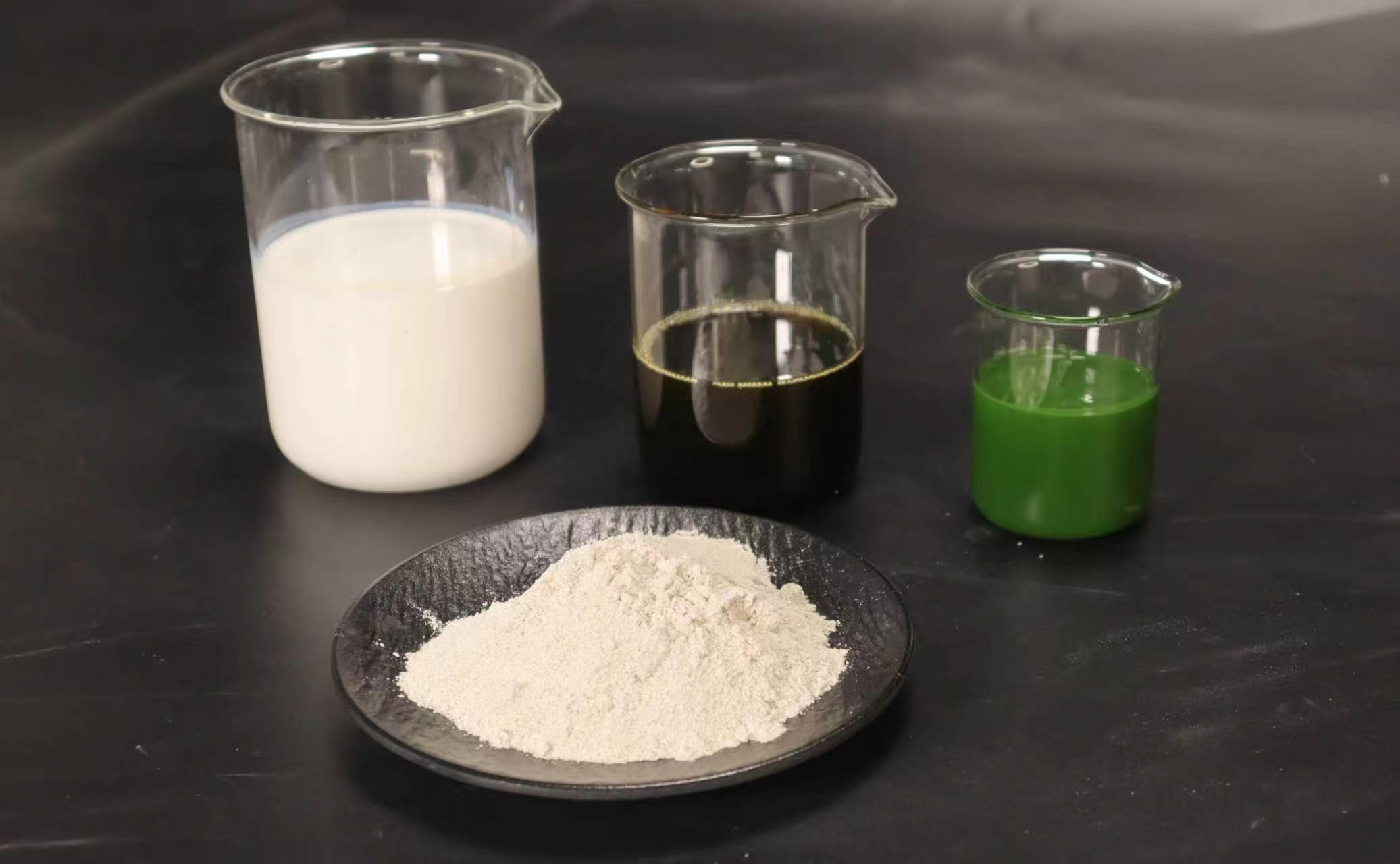
The word “eco” gets thrown around a lot on fire suppressant labels, but it rarely means the same thing twice. A product can be plant-derived yet still contain fluorinated surfactants that persist for decades. Others may biodegrade quickly but release harmful breakdown products when they hit hot surfaces. So safety isn’t a single checkbox—it’s a profile across several independent properties.
What actually matters starts with aquatic toxicity. Most suppressants end up in soil or water after discharge, so their LC50 values for fish, daphnia, and algae give a far more honest picture than a green leaf icon. The next question is whether the formulation contains intentionally added PFAS or other organofluorines. These compounds are prized for their film-forming ability, but they don’t disappear; they accumulate in groundwater and living tissue. A genuinely safer suppressant should be able to demonstrate absence of these substances through third-party lab results, not just a marketing claim.
Finally, look at the full life cycle: how the product is manufactured, how it degrades under real fire conditions, and what residues it leaves behind. Some “eco” foams generate corrosive byproducts when exposed to heat, while others require special disposal that negates their green appeal. The most reliable signal isn’t the word “safe” on the label—it’s transparent documentation, complete ingredient disclosure, and test data conducted under realistic scenarios.
Why Water and Road Salt Can't Keep Up with Modern Dust
Road salt and plain water were designed for a world where dust meant loose soil and winter ice. But modern dust is a gritty cocktail of tire microplastics, brake pad residue, industrial fallout, and hydrocarbon soot. These particles don't dissolve or wash away the way old-fashioned dirt did. Instead, water beads on their oily surfaces, and salt just sits there—corroding metal, poisoning nearby plants, and leaving behind a crusty film that actually traps more grime.
There's also the chemistry angle nobody prepared for. When road salt hits certain synthetic dust components, like de-icing agents or rubber additives, it triggers reactions that bind the particles to pavement rather than flushing them off. Wetting the road only postpones the problem: once the water evaporates, the finer dust resurfaces, often carrying salt crystals that scratch surfaces and irritate lungs. You end up with a sticky, abrasive layer that plain rinsing can't shift.
The real mismatch is scale. City streets now accumulate dust faster than natural rain or a hose-down can clear it, and salt trucks were never meant to handle airborne microdebris. Modern dust is hydrophobic, chemically reactive, and packed with materials that laugh at traditional moisture control. Until we rethink the cleaning agents themselves—not just the amount of water or salt—the grime will keep winning.
From Dust Bowl to Clean Air: A Community's Turnaround Story
In the early 1980s, the town of Larkspur was choking. Dust storms rolled off the overgrazed fields to the west, turning noon into a gritty twilight. Residents taped windows shut, but fine red silt still coated the kitchen counters by morning.
A group of farmers and shopkeepers started meeting in the back room of the old feed store. They argued, planted windbreaks, switched to no-till methods, and eventually convinced the local power plant to install scrubbers. It wasn't a single policy or a heroic gesture—just a thousand small decisions made over a decade.
By 2010, the air had changed. Children played outside without coughing, and the hills that had been bare were hazy with juniper and sage. The town didn't become a paradise, but it became a place where people could breathe easily again—a quiet turnaround nobody expected.
Choosing Based on Local Soil, Climate, and Traffic Patterns
Selecting the right plants or hardscape materials starts with paying attention to what your own property already tells you. Dig a small test hole after a rain and watch how quickly the water drains; sandy patches will dry out in hours while clay-heavy spots may stay soggy for days. Pair that observation with a look at the microclimates against your walls and fences—south-facing brick holds evening heat, while a north corner under a downspout rarely sees direct sun. These small, site-specific clues matter far more than any generic zone map.
Traffic patterns are just as important as soil and shade. Notice where people naturally walk, where delivery trucks roll over the curb, or where kids cut across the lawn to reach a basketball hoop. A plant that can handle occasional foot traffic, like a deep-rooted sedge or a tough groundcover, belongs near those informal paths. In contrast, a fragile flowering perennial placed along a delivery route will be crushed by the first rainy week, no matter how carefully you mulch it.
Finally, consider how these three factors interact in a single spot instead of treating each one separately. A well-draining, south-facing strip next to a busy sidewalk demands a completely different choice than the same soil type in a quiet backyard. That strip might need a plant that tolerates reflected heat from pavement, occasional salt spray in winter, and the constant vibration of passing buses. Matching each planting bed to the precise combination of soil moisture, sun exposure, and human or vehicle movement means you spend less time replacing failures and more time watching the landscape settle in.
Next-Generation Plant-Based Formulas That Leave No Trace
Plant-based formulas have moved far beyond simple ingredient swaps. The newest generation is built from fermentation-derived proteins, upcycled botanical extracts, and bioidentical lipids that break down completely after use. They rinse away without leaving residue on skin, hair, or waterways, so nothing lingers except the intended effect.
The "leave no trace" idea isn't just about biodegradability. It also means these formulas avoid silicones, microplastics, and synthetic film-formers that build up on strands or clog pores over time. Instead, they rely on lightweight plant polymers and sugar-based surfactants that wash off cleanly, even in hard water, so your routine feels lighter and your drain stays clearer.
This approach changes how formulators think about performance. Rather than coating surfaces for a temporary shine, next-gen plant-based actives work with the skin barrier or hair cuticle to improve condition from within. The result is a subtle but lasting difference—less buildup, fewer wash days needed, and a smaller footprint without sacrificing results.
FAQ
Water evaporates quickly and often needs constant reapplication, while plant-based or biodegradable suppressants bind fine particles together and stay effective longer. They also avoid introducing salts or petroleum derivatives that can harm soil and groundwater.
Yes, by reducing airborne particulate matter from unpaved roads, construction sites, and open lots, they lower the concentration of PM10 and PM2.5 that people breathe. Less dust also means fewer respiratory irritants settling on playgrounds, gardens, and outdoor seating areas.
Most formulations use non-toxic, biodegradable ingredients that break down without leaving harmful residues. Still, it's wise to check the specific product's safety data sheet and follow application guidelines, especially around vegetable patches or water sources.
Depending on traffic, weather, and surface type, a single application can last from several weeks to a few months. That's noticeably longer than water, which may need daily or even hourly reapplication in hot, dry conditions.
Unpaved rural roads, construction haul routes, mining operations, equestrian arenas, parking lots, and even community sports fields. Anywhere dust gets kicked up regularly and affects nearby residents or workers is a strong candidate.
They can, but application timing and formulation matter. In arid regions, they help retain moisture and bind particles; in wetter areas, they can prevent mud and erosion while still controlling dust during dry spells. Vendors often adjust the mix based on local conditions.
The upfront cost per gallon can be higher than water or traditional chloride-based products, but the longer duration, reduced reapplication frequency, and lower risk of corrosion or soil damage often balance out. Many communities find total annual costs are similar or even lower.
Start by testing the soil and understanding the main dust sources, then ask suppliers for trial patches. Look for independent performance data, check that the product meets local environmental regulations, and get feedback from residents or workers before a full rollout.
Conclusion
The dust settling on vehicles is only a fraction of what we breathe. Ultrafine particles slip past the body's defenses and lodge deep in lung tissue, triggering respiratory problems that ripple through entire neighborhoods. Yet the most common responses—spraying water or spreading road salt—are stopgaps at best. Water evaporates within hours, often binding dust only temporarily before releasing it back into the air, while salt corrodes infrastructure, damages soil biology, and introduces its own environmental burden. The term eco-friendly gets tossed around loosely, so real progress depends on decoding what makes a suppressant genuinely safe: does it biodegrade completely? Does it harm aquatic life when runoff reaches streams? Does it remain effective without frequent reapplication?
A shift is underway, driven by plant-based formulas that coat particles and bind them at the molecular level, leaving no synthetic residue behind. These next-generation suppressants work with local conditions—clay-heavy soil, arid climate, heavy truck traffic—rather than applying a one-size-fits-all fix. One former dust-choked community, once reminiscent of the Dust Bowl, transformed its air quality after switching to a tailored, biodegradable binder combined with reduced-speed zones. Within two seasons, particulate counts dropped and residents reported fewer asthma flare-ups. The lesson is clear: cleaner air isn't about suppressing dust temporarily, but about choosing materials that respect both human lungs and the local ecosystem long after the roads dry.
Contact Us
Contact Person: Helen
Email: [email protected]
Tel/WhatsApp: 86 18630661160
Website: https://www.roadmilestone.com/