Customized Cartoon Lanyard Manufacturer Guide for Unique Brand Merchandise
2026-10-19
Generic lanyards get lost. Custom cartoon lanyards get kept. That difference matters when your brand is competing for daily visibility. This guide breaks down how to design, source, and scale unique cartoon lanyards that feel more like collectibles than corporate handouts—featuring DONGCHUANG as a manufacturer reference for turning bold ideas into durable, safety-tested products. Ready to make your merch impossible to ignore?
Turning a Mascot into a Wearable Brand Statement
A mascot rarely stays on a banner or a website header for long. The moment it gets stitched onto a cap, printed across a hoodie, or turned into a small enamel pin, it starts moving through the world in a way no static logo can. That shift from graphic to garment is where the real branding happens—because people don't just see the character, they wear it.
What makes the wearable work is restraint. You don't need the mascot plastered huge across the chest or repeated on every seam. A well-placed chest patch, a woven label near the hem, or a tonal embroidery on the sleeve does more. It turns the mascot into a detail people notice up close, which feels more like a secret handshake than a billboard.
The best versions of this idea leave room for the wearer's own style. Instead of forcing a full costume or loud all-over print, give the mascot a single, unexpected surface—a beanie fold, a jacket lining, a sock cuff. That kind of placement invites curiosity and starts conversations, making the mascot feel less like a company asset and more like a shared inside joke.
Choosing Print Methods That Keep Cartoon Details Crisp
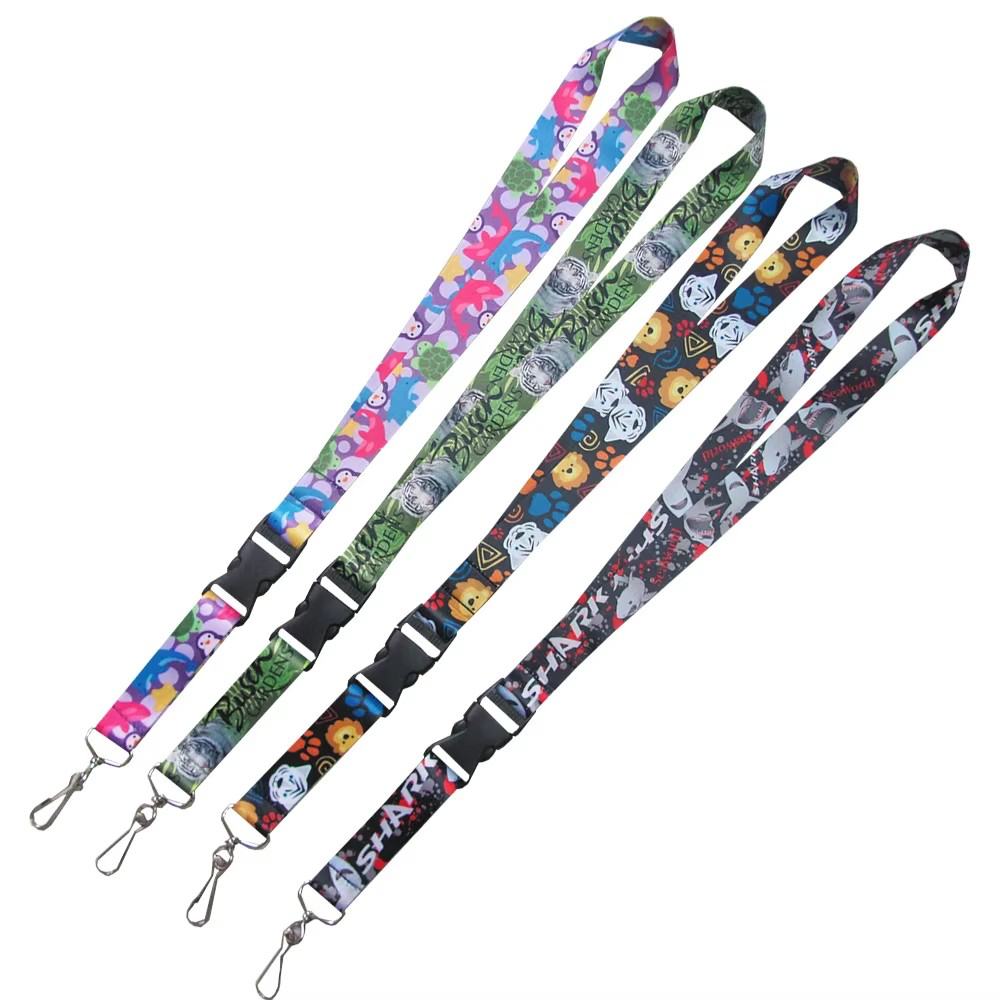
Getting crisp cartoon details starts with the right process, not just the right artwork. Screen printing can hold bold outlines well, but fine lines and tiny highlights often fill in or drop out if the mesh count is too low. For intricate cartoons, direct-to-garment or dye-sublimation lets you keep thinner strokes and subtle shading without losing edges.
Beyond the method, pay attention to how inks and substrates interact. A smooth, tightly woven fabric or coated paper gives ink less room to spread, which keeps small eyes, whiskers, or motion lines from blurring. If you go with screen printing, request a higher mesh count and consider an underbase that is just thick enough to make colors pop without clogging fine details.
Finally, test prints are worth the extra time. Run a small batch on the actual material, then check the thinnest lines and smallest dots under normal viewing distance. Adjusting pressure, curing temperature, or even switching to a hybrid method can make the difference between a cartoon that looks sharp and one that looks smudged.
Avoiding the Cheap Polyester Trap Without Overspending
We've all been there: a shirt that looks great on the rack, costs less than a latte, and feels soft enough to convince you it's a steal. Then two washes later it's pilled, shapeless, and somehow sticky against your skin. That's the cheap polyester trap. The problem isn't polyester itself—plenty of high-end activewear uses it brilliantly—but the bottom-tier version that skips any kind of treatment or blend. You end up buying the same thing three times a year, which costs more than one decent piece would have.
The trick is to stop judging by price tag alone and start reading the care label like a detective. Look for blends: a 60/40 cotton-poly mix won't pill the same way, and viscose or modal blended with polyester softens the hand while keeping the price reasonable. Check the fabric weight too—flimsy, see-through knits are a dead giveaway. A slightly heavier jersey or twill will hold its shape longer. And don't sleep on secondhand stores: you can often find genuine wool or linen pieces for the price of a fast-fashion poly shirt.
Spending a bit more upfront doesn't mean blowing your budget on designer labels. It means buying fewer, better things. A $40 well-constructed cotton-linen shirt that lasts five years beats a $12 poly blend that dies in five months. Calculate cost per wear, not just the sticker price. And when you do buy polyester, go for athletic or outdoor gear where performance polyester earns its keep. For everyday basics, steer toward natural fibers or quality blends. Your skin—and your wallet—will notice the difference.
Working With Manufacturers on Custom Shapes and Attachments
Getting a factory to produce a non-standard shape starts long before the first sample run. I usually send a dimensioned sketch plus a short note on how the part will be used, then ask the tooling engineer to flag any wall thickness, draft angle, or undercut risks. That back-and-forth often reveals cheaper ways to hit the same silhouette.
Attachments need the most attention. A snap feature that works in a 3D print can fail in injection-molded ABS once the gate location shifts or the mold cools unevenly. I ask for a small batch of test pieces with two or three gate options, then run assembly and drop tests before finalizing the mold. It costs a bit more up front but avoids re-cutting steel later.
For magnetic or mechanical attachments, the supplier sometimes suggests off-the-shelf inserts that can be press-fit or overmolded. That changes the cavity layout, so I make sure the revised drawing is signed off by both sides before any metal is cut. A clear revision log and weekly photo updates have kept projects on schedule without me having to fly out.
Testing Durability Before Committing to a Bulk Order
Placing a large order without first checking how a product holds up under real-world conditions is a gamble that often ends in costly returns. Durability testing doesn't need to be complex; it can start with simple stress tests like repeated flexing, exposure to moisture, or simulated daily wear over a short period. By observing how materials respond to these basic challenges, you gain a clearer picture of whether the item will survive weeks or months of actual use — not just look good on day one.
A common mistake is assuming that a sample's appearance guarantees long-term performance. Instead, consider ordering a small batch or single unit specifically to abuse it: drop it, wash it, leave it in sunlight, or run it through your own usage scenarios. Note where failures occur — stitching coming loose, coatings peeling, moving parts jamming — and compare those weak points across different suppliers. This hands-on approach reveals flaws that spec sheets and marketing photos never show.
Before committing to a bulk order, set a minimum durability threshold based on how your customers will actually use the product. If you can't test in person, request video evidence of stress tests from the manufacturer, or look for independent reviews that mention longevity after months of ownership. Spending an extra week on this stage can save you from warehouses full of defective goods and the reputation damage that comes with them.
Adding Interactive Elements That Make Lanyards Worth Keeping
Most lanyards get a quick glance and then vanish into a pocket or bag. That changes when you add a scannable patch that unlocks something unexpected — a hidden discount, a rotating behind-the-scenes clip, or a live poll where the wearer gets to vote on the next product color. The key is making the payoff feel personal, not like a corporate brochure. When someone scans and sees their own name pulled from a registration list, the lanyard stops being a strip of fabric and starts acting like a tiny, personal ticketing system.
Detachable elements give people a reason to keep the lanyard long after the event ends. Instead of printing one static logo, attach a small pin, a magnetic badge, or a rubber charm that can be swapped with others. At a multi-day conference, release a different charm each morning. Attendees compare collections, trade duplicates, and naturally wear the lanyard longer. The interaction comes from physical exchange, not from reading text.
Another overlooked option is embedding a simple game or puzzle directly into the design. A lanyard with a maze printed along its length or a series of symbols that decode a Wi-Fi password turns a functional item into a conversation starter. You can also use heat-sensitive ink that reveals a message when touched, or a scratch-off strip hiding a seat upgrade. These tactile surprises create a moment of discovery that makes people reluctant to toss the lanyard away.
FAQ
Woven polyester and nylon are the two most dependable choices. Polyester feels softer and holds fine linework well, while nylon has a slight sheen that makes bright cartoon palettes pop. For a more premium hand, request a thicker flat weave rather than a thin tubular style, which tends to twist and show wear faster.
Simplify before you send files. Remove tiny details like thin outlines, small pupils, and scattered highlights, then thicken the main shapes so they stay legible when the lanyard is around someone's neck. A good rule is to print a test at the actual 15–25 mm width and check it from arm's length before approving the proof.
Dye-sublimation into polyester gives the most durable result because the artwork becomes part of the fabric instead of sitting on top. For small text or crisp outlines, a woven label can be sharper, but it limits gradients. If you need photorealistic characters, choose sublimation; if you need durable flat-color mascots, ask about a jacquard weave.
Most manufacturers list 100 pieces as the starting point, though some will run 50 with a higher unit cost. If you need fewer than 50, look for a maker that offers a shared production slot or blank lanyard printing, but expect less control over edge-to-edge artwork.
Usually yes, as long as each version hits a small minimum per design. Many factories allow splits like 50/50 or 25/25/25/25 at a modest setup fee per version. Confirm whether that fee is charged once per order or once per design before you commit.
Ask about their past work with character licensing, fan merch, or boutique retail lines. Request physical samples with fine linework and multiple colors, not just a logo on a solid strap. The telling signs are whether they ask about your color profile, offer to adjust line thickness for legibility, and flag potential artwork issues before sampling.
The attachment hardware is the most common miss. A cheap swivel hook or plastic buckle can break long before the strap shows wear. Also check the safety breakaway placement, the reverse-side color, and whether the artwork is mirrored correctly on both ends if the lanyard is meant to hang with a badge.
Standard production runs about 10–15 business days after artwork approval, but during back-to-school and holiday periods that can stretch to 20–25 days. If your launch date is fixed, add a week for sampling and another week for shipping delays, then place the order earlier than feels comfortable.
Conclusion
A cartoon mascot carries more personality than any logo alone, and translating that character into a lanyard turns a simple ID holder into a walking brand statement. The trick is to choose a printing method that preserves the fine line work, facial expressions, and color blocks of your mascot instead of blurring them into a muddled print. Dye sublimation works well for full-color artwork on polyester, but if you want the crispest edges on small details, woven or embossed options might serve better. Don't assume higher cost equals higher quality, though. Many overseas factories push cheap, shiny polyester that feels flimsy and wrinkles after a week. Ask for a sample with the actual fabric weight and weave you are considering, and compare it against a mid-range woven or nylon alternative. Often a small upgrade in material gives you a far more premium feel without doubling your budget.
Once the visual side is locked, think about the physical shape. Many manufacturers can die-cut the lanyard to follow the outline of your mascot’s head or body, or add a custom buckle, detachable clip, or safety breakaway that fits your brand’s use case. These small attachments are where a factory’s experience shows: a well-designed connector won’t snag clothing or twist awkwardly. Before committing to a bulk order, run a durability test. Pull the stitching, clip and unclip the hardware fifty times, wash a sample by hand, and leave one in direct sunlight for a week to check fade resistance. Finally, consider adding an interactive element that makes people actually want to keep the lanyard: a rubber charm, a glow-in-the-dark accent, or a tag that doubles as a phone stand. When the lanyard becomes useful or collectible, your mascot spends more time in public view.
Contact Us
Contact Person: Bill Huang
Email: [email protected]
Tel/WhatsApp: 8613829102720
Website: https://www.dclanyard.com