

Current Transformers in China: Emerging Trends and Applications
2026-01-10
In the fast-evolving energy landscape of China, current transformers are experiencing a remarkable transformation, driven by technological innovations and expanding applications across power grids, renewable energy, and smart infrastructure. These devices are no longer just passive components; they are at the heart of efficiency, safety, and data-driven operations. At Lugao, we're at the forefront of this shift, crafting solutions that not only meet today's demands but anticipate tomorrow's challenges. This blog post explores the key trends shaping the industry and how they're redefining what's possible—from AI integration to sustainability goals. Join us as we delve into the exciting developments that are setting new benchmarks and opening up unparalleled opportunities in the field.
Innovative Materials Boosting Transformer Efficiency
Advancements in material science are revolutionizing transformer technology by introducing novel composites and alloys that significantly enhance operational efficiency. For instance, the development of amorphous metal cores reduces energy losses by up to 70% compared to traditional silicon steel, leading to cooler and more reliable performance in power distribution systems. These breakthroughs not only cut down on waste but also enable transformers to handle higher loads with minimal environmental impact, making them a key player in sustainable energy infrastructure.
Beyond core materials, innovative insulation and cooling solutions are pushing the boundaries of what transformers can achieve. Nanodielectric materials, which incorporate nanoparticles into insulating layers, improve thermal stability and electrical resistance, allowing for compact designs without sacrificing safety. Coupled with biodegradable and non-toxic fluids that replace conventional oils, these materials extend lifespan and reduce maintenance needs, offering a cost-effective upgrade for both new installations and retrofits in urban and industrial settings.
The integration of smart materials, such as shape-memory alloys and self-healing polymers, is adding a new dimension to transformer efficiency by enabling adaptive responses to operational stresses. These materials can dynamically adjust to temperature fluctuations and mechanical wear, preventing failures and optimizing energy flow. As research continues to yield lighter, more durable alternatives, the future of transformers looks increasingly efficient, resilient, and tailored to the demands of modern electrical grids, driving innovation across renewable energy and smart city projects.
Smart Grid Integration and IoT Connectivity
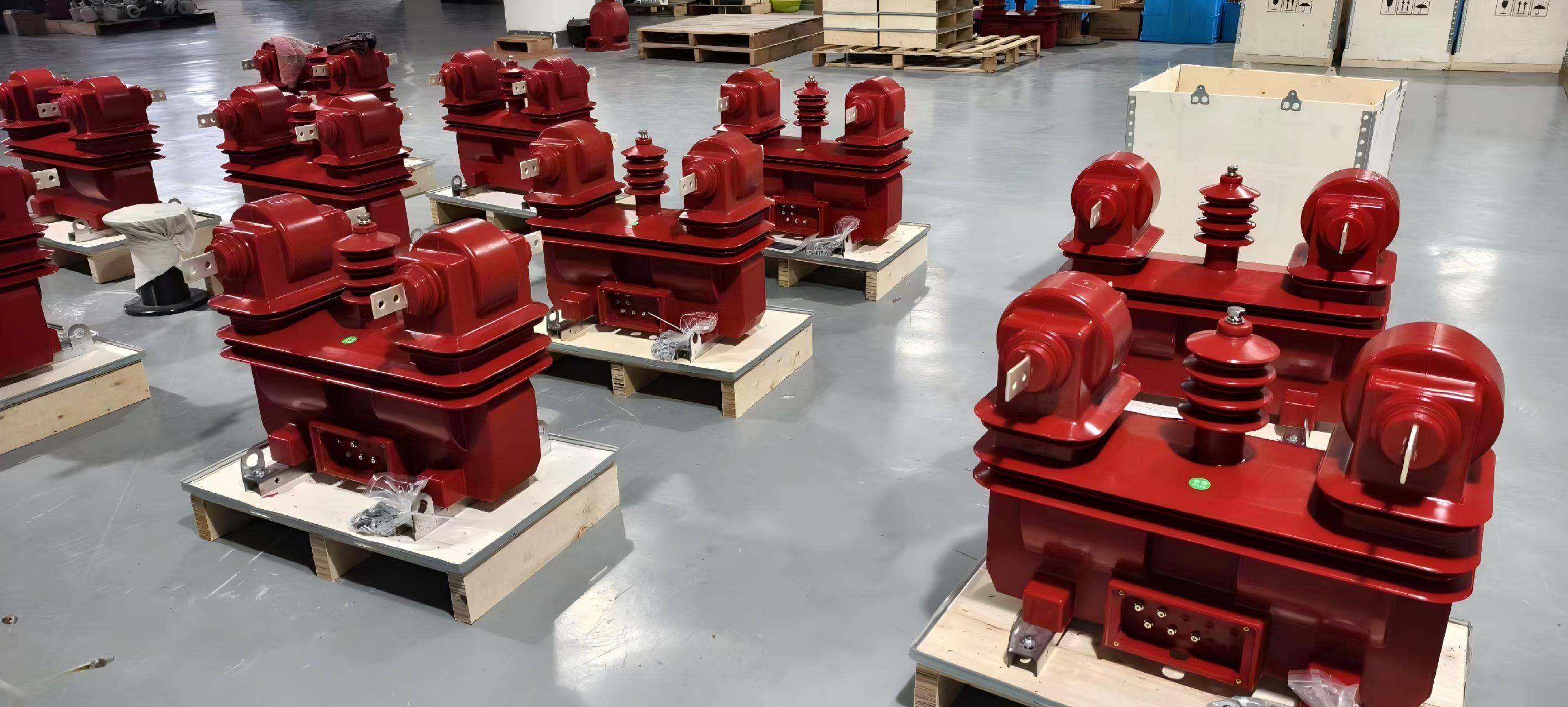
The integration of smart grids with IoT connectivity is transforming how energy systems operate by enabling real-time data exchange and automated responses. Devices like smart meters and sensors collect information on consumption patterns, grid performance, and environmental conditions, allowing utilities to monitor and manage energy flow more efficiently. This connectivity reduces outages and optimizes energy distribution, making the grid more resilient and adaptable to fluctuating demands, from daily peaks to renewable energy inputs.
Beyond basic monitoring, IoT connectivity facilitates advanced grid capabilities such as predictive maintenance and demand-side management. For example, smart appliances can automatically adjust their operation based on grid signals, helping to balance supply and load without human intervention. This not only improves energy efficiency but also empowers consumers with greater control over their usage and costs, fostering a more interactive and sustainable energy ecosystem that benefits both providers and end-users.
Looking forward, the synergy between smart grids and IoT is paving the way for innovations like microgrids and vehicle-to-grid technologies. These developments rely on seamless connectivity to integrate decentralized energy sources, such as solar panels and electric vehicles, into the main grid. By enhancing interoperability and enabling dynamic energy trading, this integration supports a cleaner, more flexible power infrastructure that can better handle future challenges like climate change and urbanization.
Renewable Energy Demands Drive Transformer Upgrades
As renewable energy sources like wind and solar expand globally, the electrical grid faces new challenges that demand transformer upgrades. Traditional transformers were designed for stable, centralised power generation, but the intermittent nature of renewables requires more advanced technologies. Upgrades include smart transformers with enhanced voltage regulation and digital monitoring to handle fluctuating inputs, ensuring grid stability and efficient energy transmission from diverse sources.
This push for upgrades isn't just about keeping the lights on; it's a strategic shift toward a resilient energy infrastructure. For instance, transformers now integrate bidirectional power flow capabilities, allowing excess solar or wind energy to feed back into the grid seamlessly. By adopting these innovations, utilities can reduce energy loss, prevent overloads, and support the growing adoption of electric vehicles and distributed generation, positioning communities for a sustainable future.
Ultimately, transformer upgrades driven by renewable energy demands are a critical enabler of the clean energy transition, balancing supply and demand in real-time. Without these advancements, grid bottlenecks could hinder renewable integration, slowing climate goals. As technology evolves, expect further innovations like solid-state transformers that offer compact designs and faster response times, proving that modernising this backbone component is key to unlocking renewable energy's full potential.
Urbanization and High-Voltage Distribution Solutions
Cities worldwide are expanding rapidly, putting immense pressure on energy infrastructures to keep up with growing demand. As urban populations swell, the need for reliable and efficient high-voltage distribution solutions becomes critical. These advanced systems are designed to transmit electricity over long distances with minimal loss, ensuring that dense metropolitan areas receive a stable power supply. By integrating smart grid technologies, these solutions can dynamically adjust to fluctuations in consumption, reducing outages and enhancing resilience against natural disasters or other disruptions. This connectivity is vital for supporting everything from residential complexes to industrial zones, fostering economic growth and improving quality of life in burgeoning urban centers.
Innovations in high-voltage distribution are transforming how energy is managed in urban environments. For instance, underground cabling and compact substations are being deployed to free up space in crowded cities, reducing visual clutter and minimizing environmental impact. These approaches not only enhance safety by reducing exposure to electromagnetic fields but also allow for more flexible urban planning. Moreover, the adoption of renewable energy sources, such as solar and wind, is being facilitated by these high-voltage networks, enabling cities to tap into distant power generation sites and diversify their energy mix. This shift helps reduce carbon footprints and moves urban areas toward more sustainable futures, all while maintaining high efficiency and reliability in power delivery.
As urbanization continues to accelerate, the role of high-voltage distribution solutions will only grow more prominent. Future developments are likely to focus on integrating digital tools like IoT sensors and AI for predictive maintenance and real-time monitoring, further optimizing energy flow and reducing operational costs. Collaboration between governments, utilities, and technology providers is key to implementing these systems effectively, ensuring they meet the unique challenges of each urban landscape. By prioritizing adaptable and scalable infrastructures, cities can stay ahead of energy demands, creating resilient communities that thrive in an increasingly interconnected world.
Digital Twin Technology for Predictive Maintenance
Imagine having a virtual replica of machinery that mirrors its real-world counterpart in real-time, allowing you to detect issues before they become critical failures. This is precisely what digital twin technology offers in the realm of predictive maintenance. By continuously collecting data from sensors and IoT devices installed on physical assets, these digital models simulate operational conditions, enabling engineers to monitor performance, analyze wear and tear, and predict potential breakdowns. The result is a shift from reactive repairs to proactive maintenance, minimizing downtime and slashing repair costs across industries like manufacturing and energy.
Beyond just monitoring, digital twins empower organizations with advanced analytics and machine learning capabilities, uncovering hidden patterns that traditional methods might overlook. For instance, by integrating historical data with real-time inputs, these models can forecast when components like bearings or motors are likely to fail, prompting timely interventions. This not only extends equipment lifespan but also enhances safety by preventing catastrophic malfunctions. In sectors such as aerospace or healthcare, this technology has proven invaluable, ensuring operational efficiency and reliability in high-stakes environments.
Adopting digital twin technology isn't just about implementing a new tool; it's about transforming maintenance strategies into data-driven processes. Companies that leverage this innovation often report significant reductions in unplanned outages and improved resource allocation. By fostering a deeper understanding of asset behavior, digital twins pave the way for smarter, more sustainable operations, making them a cornerstone of modern industrial advancements in our increasingly connected world.
Environmental Sustainability in Transformer Design
Transformer design is increasingly incorporating environmental sustainability as a core principle, driven by the urgent need to reduce greenhouse gas emissions and resource consumption. Innovations in materials, such as biodegradable or recycled insulations and low-emission coolants, are minimizing the ecological footprint of manufacturing. Lifecycle assessments now guide design choices, ensuring that from raw material extraction to end-of-life disposal, transformers contribute less to environmental degradation.
Beyond material improvements, energy efficiency plays a pivotal role in sustainable transformer design. By optimizing core and winding configurations to reduce losses, modern transformers consume less electricity over their operational lifespan, which in turn lowers associated carbon emissions from power generation. This focus on efficiency not only meets regulatory standards but also aligns with broader corporate sustainability goals, making transformers key components in greener energy grids.
Sustainability in transformer design also involves considering end-of-life scenarios, where designs facilitate easier recycling and reuse of components. Modular approaches allow for parts replacement rather than complete unit disposal, reducing waste and conserving resources. Such strategies highlight a shift towards circular economy models, ensuring that transformers support long-term environmental health without compromising performance or reliability.
FAQ
Several key trends are shaping China's current transformer (CT) market. The shift towards smart grids is driving demand for high-accuracy, low-power consumption CTs, while integration with IoT and digitalization allows for real-time monitoring and predictive maintenance. There's also a push for miniaturization and lightweight designs to meet space constraints in urban installations. Additionally, the adoption of renewable energy sources like solar and wind is spurring innovations in CTs that can handle variable loads and harsh environmental conditions.
In China's smart grids, current transformers play a critical role by providing precise data for energy management and fault detection. They're used in substations and distribution networks to monitor power flow, support automated control systems, and enhance grid stability. Advanced CTs with communication capabilities, such as those using IEC 61850 protocols, enable seamless integration into digital platforms, facilitating remote diagnostics and improving overall efficiency in the energy sector.
Manufacturers in China encounter challenges like maintaining high accuracy under varying temperature and electromagnetic interference, especially for smart grid and renewable energy uses. Cost pressures are significant, as there's demand for affordable yet reliable CTs. Additionally, keeping up with rapid technological advancements, such as integrating sensors and communication modules, requires continuous R&D investment. Regulatory compliance and standardization issues also pose hurdles in a fast-evolving market.
The integration of IoT is transforming current transformers by enabling features like remote monitoring, data analytics, and predictive maintenance. CTs equipped with sensors and wireless connectivity can transmit real-time current and voltage data to cloud platforms. This allows utilities and industrial users in China to optimize energy usage, detect anomalies early, and reduce downtime. It's particularly beneficial for large-scale applications, such as smart cities and industrial automation, where efficient power management is crucial.
Current transformers are essential in renewable energy systems by accurately measuring current in solar panels, wind turbines, and energy storage units. They help in monitoring power generation, ensuring safe grid integration, and protecting equipment from overloads. In China, where renewable energy adoption is accelerating, CTs designed for high reliability and durability in outdoor environments are in demand to handle the intermittent nature of sources like wind and solar, supporting the country's green energy goals.
Yes, Chinese manufacturers are exploring innovations like nanocrystalline and amorphous alloys for cores to improve efficiency and reduce losses. Advanced insulation materials, such as epoxy resins and silicone, enhance durability and safety. Technologies like Rogowski coils for flexible, wide-bandwidth measurements are gaining traction. Additionally, digital signal processing and embedded electronics are being incorporated to enable smarter functionalities, aligning with trends towards digitalization and automation in power systems.
Conclusion
In China, current transformers are undergoing transformative changes driven by advanced materials and digital integration. Innovative materials, such as nanocrystalline alloys and superconductors, are significantly boosting transformer efficiency, reducing energy losses and enhancing durability. Concurrently, smart grid integration and IoT connectivity are enabling real-time monitoring and control, allowing for optimized energy flow and improved reliability in power systems. These trends are crucial as renewable energy demands drive transformer upgrades, with wind and solar farms requiring robust, high-capacity transformers to handle intermittent power sources. Together, these advancements are shaping a more efficient and responsive electrical infrastructure, supporting China's energy transition.
Urbanization and high-voltage distribution solutions are addressing the challenges of powering densely populated cities, with compact and high-performance transformers becoming essential for modern grids. Digital twin technology is revolutionizing predictive maintenance by creating virtual replicas of transformers, enabling early fault detection and minimizing downtime. Environmental sustainability is also prioritized in transformer design, with eco-friendly materials and oil-free options reducing ecological impact. These applications highlight how China is leveraging technology to meet growing energy needs while promoting sustainability, positioning current transformers at the core of its smart and green energy future.
Contact Us
Contact Person: Doreen
Email: [email protected]
Tel/WhatsApp: 8618057712366
Website: https://www.liugaopower.com/