Containerized Generator Direct Sales Manufacturer: Why Buying Factory Direct Makes Sense
2026-09-03
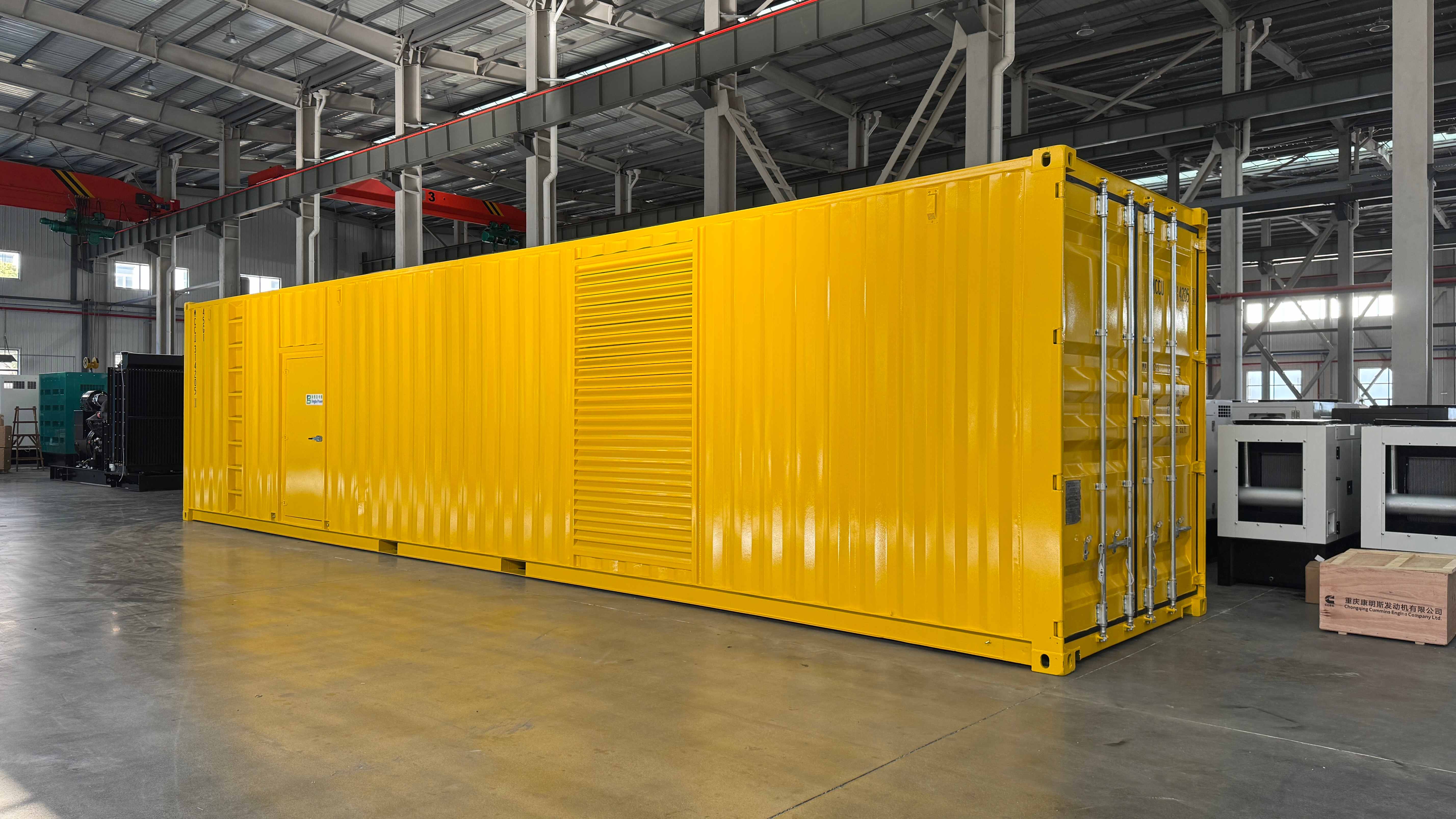
Most containerized generator quotes include a hidden tax: the middleman’s margin. Strip that away and you get more than a lower price—you get direct access to the manufacturer’s engineering team, honest lead times, and a generator built to your exact site requirements. That’s the factory-direct advantage DINGBO POWER brings to every project. If you’ve ever wondered whether buying direct is worth it, the short answer is yes. Here’s the longer one.
Skip the Middleman, Keep the Margin
Every extra hand in the supply chain takes a cut before your product ever reaches a customer. Distributors, wholesalers, and resellers add layers of cost that quietly eat into your bottom line. When you sell direct, that margin stays where it belongs: in your pocket. It's not just about saving money though. It's about controlling your pricing, your brand story, and the relationship with the person who actually uses what you make.
Cutting out intermediaries forces you to get sharper about logistics and customer service, but the trade-off is worth it. You set the terms. You decide when to run a promotion or bundle products. And instead of hoping a retailer will push your goods, you can build a direct feedback loop that helps you improve faster. The margin you keep becomes fuel for better materials, lower prices, or higher profit per unit.
The old model was built on convenience, but today's tools make direct selling practical for almost any size business. Whether it's a simple e-commerce platform or a full CRM integration, the friction that once made middlemen necessary has largely disappeared. Skip the handoff, keep the upside, and watch how much clearer your numbers look at the end of the month.
Custom Builds Without the Back-and-Forth
Most custom projects drag on because the initial conversation misses too many details. You end up trading messages about materials, sizing, or performance expectations that should have been settled in the first call. This process flips that: you share your priorities once, in plain language, and the builder translates them into a concrete spec without asking you to repeat yourself.
After that first intake, the work moves ahead on a clear timeline. You get one consolidated proposal instead of a dozen scattered revisions. If something needs adjusting, it's usually a single round of small tweaks—not a full restart. You don't have to chase down updates or wonder whose turn it is to reply.
The result is a build that matches what you actually wanted, minus the mental overhead of managing the process. It works because the right questions get asked up front, and the answers actually shape the build. No vague promises, no endless back-and-forth, just a finished product delivered the way you expected.
One Call to the People Who Actually Build It
Most project discussions stay trapped in meeting rooms where decisions drift away from the people who will actually assemble, wire, and weld the final result. But when you pick up the phone and talk directly to the builders, you skip the translation layer. A single conversation with a lead fabricator or a site supervisor often reveals constraints and shortcuts that no drawing set or schedule ever captured.
These are the folks who know which materials arrive warped, which tolerances are unrealistic, and which details will fail after the first season. Their input isn't a formality. It changes how long things take, how much they cost, and whether the finished work can actually be maintained. One call can replace three weeks of back-and-forth email chains and prevent a mistake that would be expensive to undo later.
The habit of calling the builders early also signals respect. They stop seeing themselves as order-takers and start flagging problems before they become emergencies. That kind of candid feedback only comes from a relationship, not a workflow tool. So before you finalize a design or a budget, identify the person whose hands will touch the work first and ask them directly: what would you change?
Traceability That Starts on the Factory Floor
On most production lines, traceability is bolted on after the fact. A batch number gets stamped on a carton, a spreadsheet gets updated before the shift ends, and by the time someone asks where a component came from, the trail has already gone cold. That changes when data capture happens at the point of work. Operators scan a reel, a serial plate, or a raw material lot before it enters the line, and from that moment every downstream step inherits a live thread back to its source.
What makes factory-floor traceability different is that it does not rely on someone remembering to fill in a form later. Each station contributes its own record, tied to the exact unit, tool, and operator involved. If a torque value drifts or a solder paste expires mid-run, the system already knows which boards passed through that window. Quality teams can contain the issue in minutes instead of quarantining an entire week of output.
This also changes the conversation with customers and auditors. Instead of reconstructing a story from paper logs, manufacturers can walk a unit backward through its full build history, including any rework, substitutions, or deviations that were approved along the way. The record is not a summary compiled at the end. It is assembled step by step, exactly where the product takes shape.
Support That Doesn’t End at the Loading Dock
When the last pallet leaves the truck, most vendors consider the job done. We don't. Our engineers stay after delivery to handle installation, calibration, and hands-on training. We walk the floor with your crew, mark anchor points, check clearances, and adjust settings until the equipment runs exactly as it should on your line. That first day isn't a farewell; it's the point where real support begins.
What happens a month later matters just as much. If a sensor drifts or a motor starts sounding different, you don't want a generic help desk. You want the person who already knows your setup. That's why each customer gets a direct contact, not a rotating queue. We also schedule follow-up visits at two weeks and ninety days to catch small issues before they turn into downtime.
Support also means having parts and knowledge close at hand. We keep critical spares in your region, and when something needs replacing, it ships the same day with instructions your maintenance tech can follow without guesswork. More importantly, we train your team to handle routine adjustments on their own, so you're not stuck waiting for a vendor over minor fixes. The aim is simple: leave you running independent, but never without backup.
Lower Lifetime Costs, Not Just a Lower Invoice
A low purchase price can be deceptive. The real number that matters is what you'll spend over the entire life of the product—energy consumption, maintenance, repairs, and downtime all add up quietly. A cheap machine that breaks down twice a year or drains power every hour ends up costing far more than a slightly pricier one built to run efficiently and reliably for a decade.
We design with total ownership cost in mind. That means choosing components that seldom fail, simplifying service access so a routine check takes minutes instead of hours, and tuning every setting to reduce waste. One of our customers replaced an older unit with ours and saw their annual operating expenses drop by nearly a third—not because the invoice was lower, but because they stopped paying for emergency call-outs and wasted raw material.
When you compare options, don't stop at the sticker. Ask about expected lifespan, energy draw under real workloads, and what a typical repair visit costs after the warranty ends. Those details reveal the actual price you'll pay. A smarter upfront choice often means lower bills every month for years—and far fewer headaches along the way.
FAQ
A containerized unit comes pre-installed inside a weatherproof, sound-attenuated shipping container. It's essentially a plug-and-play power plant that can be moved with standard logistics equipment. When you buy factory direct, you're not just getting the hardware—you're dealing with the team that designed the enclosure, cooling, and controls as one integrated package, so there's no finger-pointing later.
The base price is usually lower because you're not covering a distributor's margin or warehousing fees. But the real savings often come from lifecycle costs. Direct manufacturers can match the generator to your exact voltage, altitude, and fuel specs before it ships, which avoids expensive field modifications. You might pay slightly more for transport, but that's transparent and often offset by the unit arriving ready to run.
You can request changes early in the build—like extra doors, a different exhaust routing, or a larger fuel tank—without a middleman delaying the request. Many direct manufacturers will send you 3D drawings and progress photos during assembly. This lets you catch issues before the unit leaves the factory floor, which is far better than discovering them after delivery.
Many do, but you have to check the support model. Look for manufacturers with remote monitoring built into the control system, stocked spare parts kits, and a network of certified technicians. A factory direct relationship often means you can call the engineer who actually wired your unit, not a call center reading a script. Some even include a factory startup visit in the price for larger orders.
The main risk is choosing a factory that exists only on paper or a trading company posing as a manufacturer. You can reduce this by asking for a live video walkthrough of the production floor, checking if they have their own paint booth and load bank testing, and requesting references from customers in your country. A legitimate direct manufacturer will happily show you their work in progress.
A good direct manufacturer will prepare the unit for ocean or road transport with proper lashing points, export packaging, and documentation like a packing list, certificate of origin, and sometimes a pre-shipment inspection report. For compliance, they should be able to supply the generator set's EPA or CE certification depending on your region, and many will work with your local engineer to ensure the container meets site-specific safety codes.
Ask about their actual production capacity per month, who supplies their engines and alternators, what load bank testing they perform before shipment, and how they handle warranty claims across borders. Also request a sample of their owner's manual and wiring diagrams to see if the documentation is clear and written in English. If they hesitate on any of these, treat that as a warning sign.
It can absolutely work for a single unit. Many direct manufacturers have standardized models that are built and tested routinely, so you still get the factory price and direct support without needing to order ten units. The key difference is that you might have less negotiating leverage on shipping costs for one unit. However, if you choose a model already in production, your lead time can be very short—sometimes ready to ship within a few weeks.
Conclusion
When you buy a containerized generator straight from the manufacturer, the first thing you notice isn't just the price—it's what disappears. No distributor markup, no third-party game of telephone where your specs get mangled between sales reps. You talk directly to the engineers who weld the frame and wire the control panel. That changes everything. You can request a custom fuel tank placement, a specific breaker arrangement, or a sound attenuation package without waiting days for quotes that may or may not reflect what the factory can actually do. And if a question comes up mid-build, the person on the other end of the phone can walk to the production line and look at your unit. That's the kind of access you simply don't get through a reseller.
The longer view matters even more. Buying factory direct means every component in your generator has a paper trail that starts the moment it enters the plant—not a murky chain of custody assembled after the fact. When the unit ships, the support doesn't evaporate. You have the same team that built it handling warranty, spare parts, and troubleshooting, and they know your exact configuration because they built it. Over time, this cuts deeply into the total cost of ownership. Fewer miscommunications, faster fixes, and tailored engineering add up to a generator that costs less to run and maintain—not just a lower number on the initial invoice.
Contact Us
Contact Person: Rita
Email: [email protected]
Tel/WhatsApp: +8613481024441
Website: https://www.dbdieselgenerator.com/