

Complete Cylinder Head Maker: How to Choose the Right One for Your Engine Build
2026-07-21
Building an engine that truly performs starts with one critical component: the cylinder head. But with so many options out there, how do you pick the right complete cylinder head maker for your specific build? It’s not just about fitment—it’s about flow, durability, and the subtle engineering that separates a good engine from a great one. Whether you’re chasing horsepower on the strip or reliability on the street, the choice you make now will echo through every combustion cycle. At the heart of this decision is finding a partner like DDR, whose expertise turns raw castings into precision powerhouses. Dive in as we break down what to look for, what to avoid, and how to make a choice you won’t regret when the engine fires up for the first time.
It’s Not Just a Lid: The Real Job of a Cylinder Head
It’s easy to glance at a cylinder head and think it’s just a fancy lid bolted on top of the engine block. But calling it a lid is like calling a brain a hat — it completely misses the point. The cylinder head is a precision-engineered component that seals the combustion chamber, houses the valves and spark plugs, and directs the flow of air and exhaust. Without it, there’s no controlled burn, no power stroke, and certainly no forward motion.
Beyond just capping the cylinders, the head shapes the very breath of the engine. Its intake and exhaust ports are carefully sculpted to optimize airflow, while its coolant passages wrestle with extreme temperatures to prevent meltdown. Modern heads often integrate camshafts and complex valve train systems, turning a once-simple casting into a kinetic sculpture that manages heat, pressure, and motion all at once.
So next time you hear someone dismiss the cylinder head as a mere cover, remember: it’s the place where fuel turns to fire, and where raw thermal energy becomes the rotation that moves us. It’s not just a lid — it’s the command center of combustion.
Aluminum or Iron? The Pros and Cons Nobody Talks About
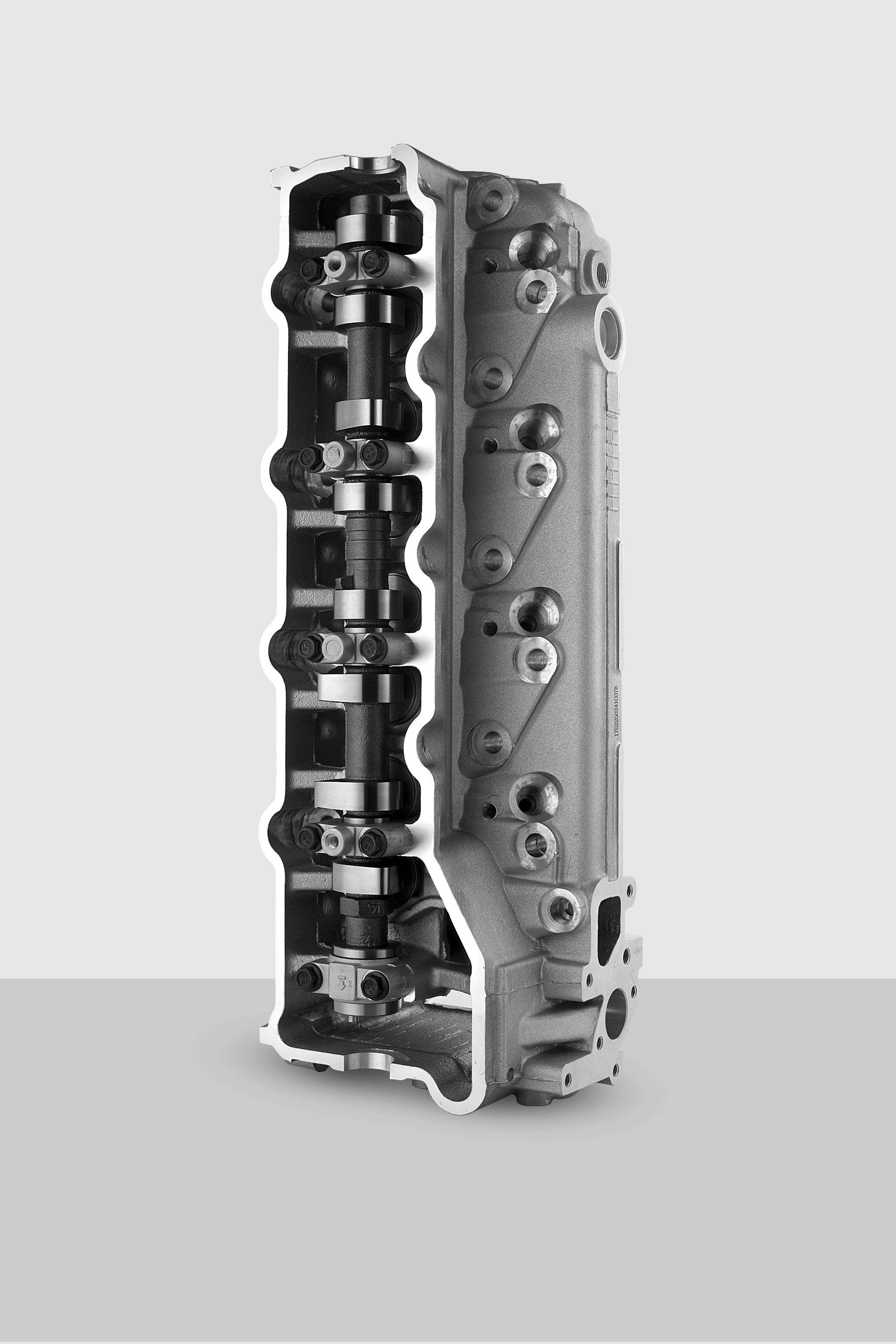
You’ll hear endless debates about weight and cost when it comes to aluminum versus iron, but what rarely gets mentioned is how each material handles prolonged exposure to moisture in hidden spots. Aluminum forms a self-protecting oxide layer that halts corrosion—until it encounters salt or stray electrical currents, then it can pit rapidly without visible warning. Iron rusts predictably, staining and flaking in obvious ways that force early intervention, so it often fails more gracefully by announcing its deterioration long before structural integrity is lost.
Another overlooked aspect is thermal behavior in everyday cooking. Iron pans hold heat with a stubbornness that forgives temperature drops when cold ingredients hit the surface, yet they demand seasoning rituals that many home cooks eventually abandon. Aluminum spreads heat absurdly fast and evenly but reacts with acidic foods, leaching a faint metallic note unless anodized—and even then, repeated dishwasher cycles can dull its nonstick properties in ways that instructions seldom disclose.
Maintenance tells a starker story than spec sheets admit. Iron requires periodic seasoning and a willingness to accept that oil residues will polymerize into a mottled, brownish-black patina that never looks uniformly perfect. Aluminum, especially raw cast versions, develops a cloudy oxide haze that some cleaning products accelerate, leaving surfaces looking perpetually neglected. The real decision often hinges not on performance metrics but on whether you find therapeutic value in the upkeep rituals each metal demands.
Flow Bench Numbers: What They Mean and What They Don’t
When you look at a set of flow bench numbers, it’s tempting to latch onto the peak airflow figure and assume the head with the highest number will make the most power. That’s a dangerous oversimplification. Flow bench data is gathered under a steady pressure differential, while a running engine sees pulses, reversion, and varying pressures that can’t be replicated on a static bench. The numbers tell you how much air a port can move in a steady draw, but they don’t reveal how the port behaves when the valve first cracks open, how much turbulence develops at higher lifts, or how well the air stays attached through the turn. A port that flows big at 0.600-inch lift but goes turbulent at 0.400 is often a dog in the mid-range where you spend most of your time.
One of the most overlooked aspects is port velocity. Two heads can flow the same peak cfm, but if one has a smaller cross-sectional area it will have higher air speed, which tends to improve cylinder fill at lower rpm and create a broader, more usable powerband. Flow numbers also don’t account for how the air and fuel mixture behaves once it enters the chamber—poor mixture motion can lead to incomplete burn, detonation, or the need for more ignition timing, all of which rob power. That’s why dyno testing and track results often don’t correlate neatly with flow bench rankings. A head with “worse” numbers but better velocity and mixture motion can embarrass a high-flowing head in the real world.
Then there’s the issue of test pressure and bench calibration. Shops commonly test at 28 inches of water, but not everyone uses the same depression, and subtle differences in bore adapters, radius plates, and even weather correction can skew the results. Comparing numbers from different benches without knowing the full setup is a recipe for confusion. Worse, some builders fudge the data by grinding a port past the point of stability just to chase a headline cfm figure, ending up with a thin casting that cracks or a port that stall at moderate lifts. The takeaway? Treat flow bench numbers as just one slice of the puzzle—useful for tracking your own development and verifying consistency, but never a standalone promise of horsepower.
More Than a Price Tag: What You’re Actually Paying For
When you hand over your money, you’re not just covering the cost of raw materials and labor. You’re investing in the countless hours of trial and error that shaped the final design, the quiet confidence that comes from rigorous testing, and the story woven into every stitch or circuit. A product’s price reflects a hidden architecture of decisions—sourcing sustainable components, ensuring ethical labor practices, or building in a margin of durability that might never be fully tested. These intangible elements become part of your daily experience, even if you rarely think about them.
Think about the last meaningful purchase you made. Beyond the object itself, what did it unlock for you? Maybe it was peace of mind from a well-engineered safety device, the subtle elegance of a perfectly balanced tool, or the sense of belonging that comes with a brand that aligns with your values. The price tag is just the entry point; what you truly pay for is the extended life of the item, the support ecosystem around it, and the way it quietly improves your routines without demanding attention.
So the next time you evaluate a product, ask yourself: what am I really gaining here? Is it the raw utility, or the comfort of knowing it won’t fail when you need it most? Is it the instant gratification, or the lasting satisfaction of owning something that ages gracefully? Money exchanges hands in a moment, but the real transaction happens over months and years of use, where the initial cost dissolves into the daily value it provides.
The Short List: Finding a Shop That Won’t Cut Corners
A dependable repair shop doesn’t just happen by accident. Start by watching how they handle the small stuff—check their willingness to explain a diagnosis without rushing you, and see if they point out issues you didn’t even mention. Shops that truly care will flag worn belts, aging hoses, or subtle leaks before they strand you on the highway.
Another quiet signal is the way they treat the space itself. Organized bays, clean waiting areas, and technicians who own their work instead of passing the buck suggest a culture of pride. Don’t ignore online chatter either, but read between the lines: a handful of cranky reviews among hundreds of loyal ones often means they’re human, not careless.
Finally, push past generic certifications and ask who will actually turn the wrenches. A shop where the same faces appear year after year usually invests in ongoing training and doesn’t churn through staff. That continuity matters more than framed credentials on the wall, because consistency in people leads to consistency in your car’s care.
Putting It All Together: Heads That Fit Your Build (and Wallet)
Matching cylinder heads to your engine combo isn’t just about chasing the biggest flow numbers. You need a head that complements your camshaft, intake, and intended use—whether that’s a torquey street cruiser or a high-winding track car. Over-camming or over-heading a mild build can leave you with soggy low-end response and a car that’s no fun to drive. Think about where you want the powerband to live, and choose a head with runner volumes, valve sizes, and chamber designs that work in that range.
Budget plays a huge role too, and thankfully there are options at every price point. A quality cast-iron head with modern port designs can deliver impressive gains without breaking the bank, while aluminum heads save weight and often come with better out-of-the-box flow. If you’re willing to do some light porting or assembly, bare castings can stretch your dollar further. Just don’t forget to factor in the cost of compatible valvetrain parts—springs, retainers, and pushrods aren’t always included.
Finally, pay attention to the little details that make a build come together smoothly. Chamber size affects compression ratio, spark plug angle can influence header clearance, and accessory bolt holes need to match your brackets. A head that “almost fits” can turn into a frustrating project. By cross-referencing your piston choice, head gasket thickness, and intended fuel octane, you can nail a combination that runs strong and stays reliable. The right heads don’t just make power—they make the whole car feel alive.
FAQ
I always start by checking their reputation among local engine builders. Word of mouth still matters more than flashy ads. Also, ask about their experience with your specific engine family—some shops excel with LS heads but struggle with older Mopar castings.
It’s a big deal. I’ve seen guys chase high flow numbers but ignore the material’s thermal properties. Aluminum sheds heat faster, which is great for a street/strip build, but for a pure race motor, a well-prepped iron head can be more durable under extreme cylinder pressures.
That depends on your budget and goals. A skilled porter can tailor the flow to your cam and intake, sometimes outperforming off-the-shelf CNC programs. But for most street builds, a quality CNC ported head gives you consistent results without the custom price tag.
I’d ask to see a recent flow sheet from their bench, not just a generic one from the manufacturer’s catalog. Numbers can vary between benches, so consistency is key. If they’re cagey about it, that’s a red flag. Some honest shops even let you watch while they test your actual heads.
For a mild street rebuild, a complete head from AFR or Brodix often makes sense—it’s hassle-free. But once you’re chasing every last horsepower or dealing with a rare engine combo, a custom builder can optimize the chamber shape, valve angles, and port volumes to match your exact setup.
Expect at least 8-12 weeks, sometimes longer. I’ve learned to ask about their current workload upfront and get a firm commitment in writing. Supply chain issues with castings or valves can blow timelines out of the water, so plan accordingly and don’t book dyno time until the heads are in your hands.
Assembly components like valve springs, retainers, and seals can add up fast. Some builders quote a bare head price, then you realize the price to build it out is double. Always ask for an itemized estimate that includes everything—springs matched to your cam, seats cut, guides honed, the works.
It varies. Many aftermarket heads require a rocker upgrade because the valve angles or stud locations differ. I’ve seen guys try to reuse old rockers and end up with binding or wiped lobes. Check with the maker about compatibility, and if they recommend a specific rocker type, don’t cheap out.
Conclusion
A cylinder head is far more than a simple lid for your engine—it's the architectural heart of combustion, orchestrating airflow, fuel mixture, and exhaust scavenging. This critical component determines not only peak horsepower but also torque curve shape, throttle response, and thermal efficiency. When selecting a complete cylinder head maker, the material choice between aluminum and iron goes beyond weight savings. Aluminum sheds pounds and dissipates heat faster, resisting detonation in high-compression builds, while iron offers superior durability under extreme temperatures and maintains dimensional stability, an often-overlooked advantage for forced induction. Flow bench figures, frequently flaunted by manufacturers, only tell part of the story: peak cfm at maximum lift overlooks mid-lift performance, port velocity, and swirl characteristics that translate to real-world drivability. What you’re buying isn’t just machined metal—you’re paying for casting quality, valve job precision, component matching, and validation through dyno testing. A bargain head may hide sloppy tolerances or inferior alloys, leading to premature failure.
The true measure of a cylinder head maker is not flashy marketing but a reputation for meticulous craftsmanship. Seek shops that prioritize thorough inspection, hand-blending ports, and flow-testing each cylinder rather than batch sampling. Communication is key: the best builders discuss your engine’s purpose—street cruising, drag racing, road course—and match runner volumes, valve sizes, and spring pressures to your cam profile and vehicle weight. They won’t push unnecessary upgrades but focus on synergy within your budget. Ultimately, choosing the right partner means finding someone who treats your engine build as their own, balancing performance targets with real-world reliability. The heads that fit your build and wallet are those resulting from a transparent dialogue, where the maker educates you on compromises and trade-offs. This collaborative approach ensures that the finished product is not just an assembly of parts, but a thoughtfully engineered component that elevates the entire engine’s character.
Contact Us
Contact Person: Shelly
Email: [email protected]
Tel/WhatsApp: 8613967667688
Website: https://www.yongyu.com/