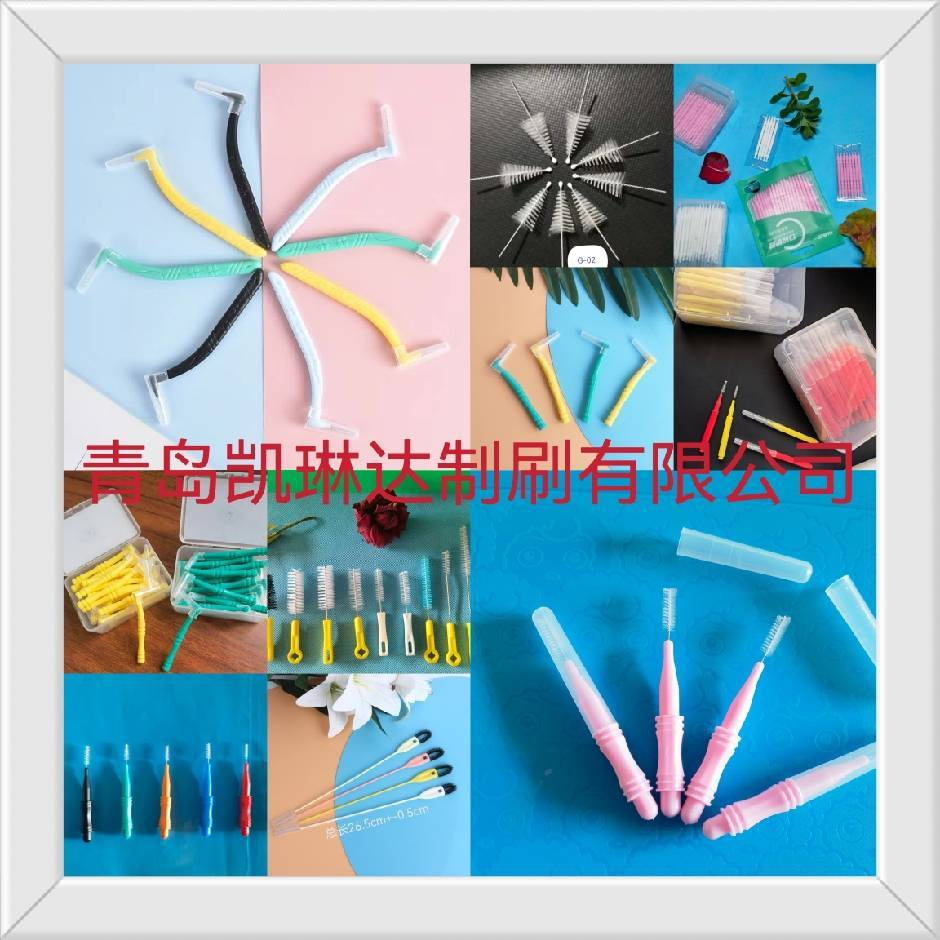
Bulk Interproximal Brush Exporter Delivering Quality Dental Hygiene Solutions Worldwide
2026-11-02
In the dental supply world, ‘good enough’ never is. A flimsy interproximal brush can undo months of patient trust in a single snap. That’s why distributors across six continents don’t leave quality to chance—they partner with KLDZS, a bulk interproximal brush exporter delivering dental hygiene solutions worldwide. But scaling precision isn’t magic; it’s a discipline. In this post, we pull back the curtain on how our brushes earn their place in clinics from Berlin to Bangkok, and why your next bulk order might just be your smartest one yet.
How Bulk Orders Keep Dental Aisles Fully Stocked
Running low on prophy paste or fluoride varnish mid-week creates unnecessary stress. When dental suppliers place larger, predictable orders, shelves stay filled without constant reordering. That means a practice never has to tell a patient to wait because a critical item is missing, and retail dental aisles avoid the empty spots that make shoppers walk past.
Bulk buying shifts the focus from firefighting to routine restocking. Instead of scrambling to place small urgent orders, staff can schedule deliveries around actual usage patterns. This keeps turnover steady, reduces shipping costs, and lowers the chance of expired products sitting too long because you're not overordering one-off items.
For offices juggling multiple operatories, a steady stream of bulk supplies means less time on the phone with distributors and more time with patients. It also gives you the flexibility to rotate stock properly: older boxes move forward, newer ones go behind, and nothing gets lost in a drawer. That kind of consistency keeps the entire dental aisle looking organized and ready for whatever the day brings.
Inside the Production Standards Behind Every Interproximal Brush
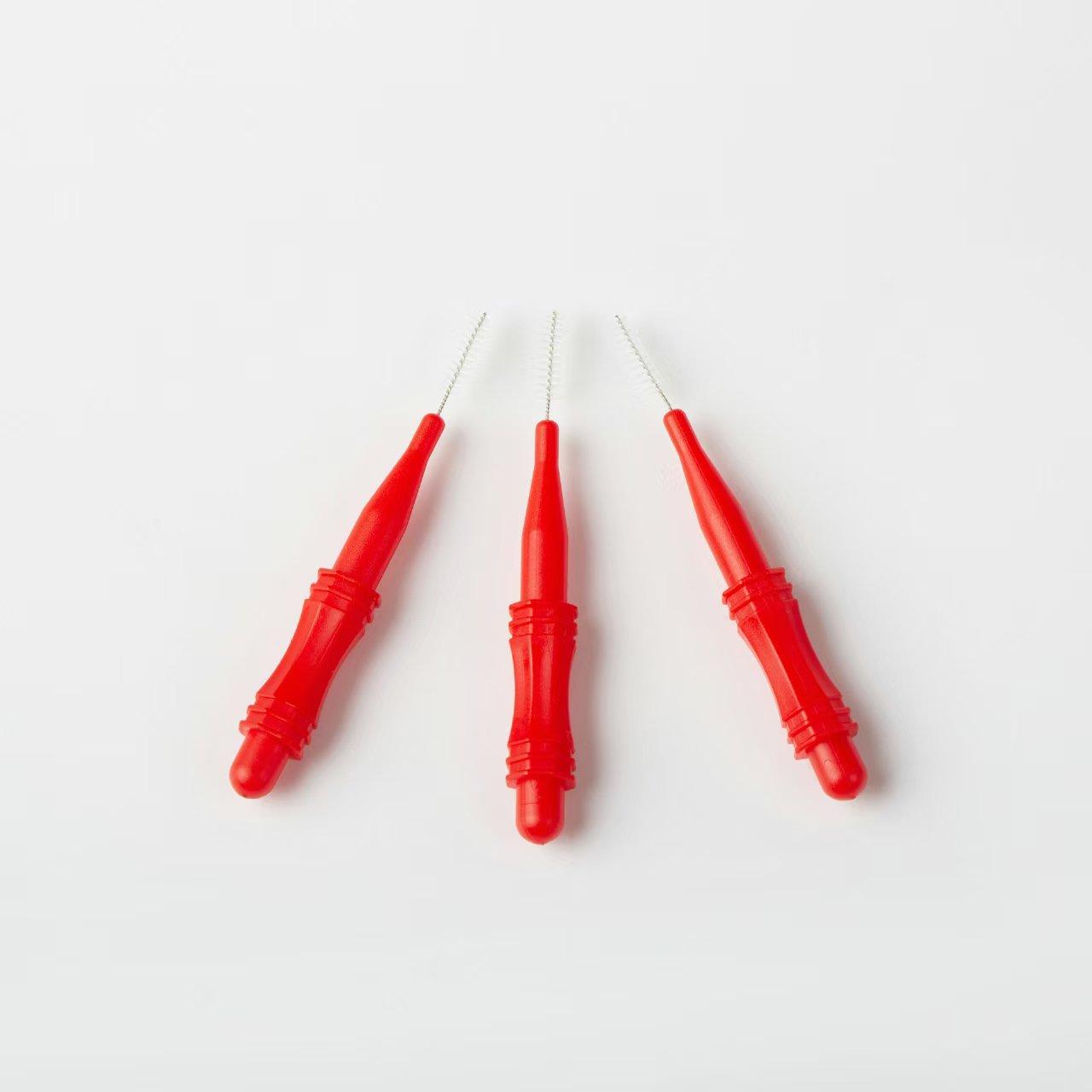
The wire core in an interproximal brush isn't chosen by chance. Most manufacturers start with surgical-grade stainless steel, drawn to precise diameters between 0.4 and 0.8 millimeters depending on the brush size. That core gets coated with a thin polymer layer to prevent scratching enamel and to keep the wire from snapping under repeated bending. The coating thickness is checked under magnification, usually within a tolerance of 0.02 millimeters, because even a slight variance changes how the brush passes between teeth.
Bristle attachment follows its own set of rules. Nylon filaments are cut to uniform length and then anchored into the twisted wire under controlled tension. Too little tension and bristles shed during use; too much and the wire kinks or loses flexibility. Production lines run periodic pull tests, yanking bristles out to verify they hold beyond a set force threshold. The goal isn't just durability—it's making sure a single brush survives the full recommended usage window without leaving stray fibers in the mouth.
Final assembly and packaging happen in environments that would feel familiar to anyone in medical device manufacturing. Each batch is sampled for microbial contamination, and brushes are often sterilized with gamma radiation or ethylene oxide before sealing. Lot numbers trace back to specific material batches, so if a wire coating or filament lot shows a defect, the affected brushes can be pulled quickly. This level of oversight is why dentists rarely see interproximal brushes fail in ways that could harm gum tissue.
Matching Regional Preferences With the Right Brush Sizes
Regional habits shape more than color choices—they dictate brush dimensions too. A painter in Chicago might keep a 3-inch flat brush within arm's reach for fast drywall work, while an artist in Kyoto reaches for a slim pointed brush to handle fine ink lines. These preferences come from local building styles, traditional techniques, and the simple question of what gets the job done without fighting the tool. Matching the right size to the region means learning these unspoken habits instead of shipping a one-size-fits-all set.
Climate and coating behavior add another layer. In humid zones like Mumbai or Bangkok, thinner paints dry quickly, so a medium brush with shorter bristles gives enough control to avoid streaks. In drier, colder places such as Helsinki or Calgary, painters often use large soft brushes that hold more paint and glide over rough surfaces without leaving brush marks. A size that feels balanced in one weather pattern can feel off-balance in another, and that's where local testing saves time.
The best match comes from listening to the people who hold the brush daily. Local hardware stores, painting crews, and art supply shops know which sizes sell out and which stay on the shelf for months. By collecting that feedback and watching seasonal shifts, a brand can fine-tune its brush size offerings for each region—sometimes down to a single city block. It's the difference between a brush that sits unused and one that becomes part of a painter's daily routine.
Shipping Interdental Care Across Continents Without Delays
Getting interdental brushes and floss picks from a factory in one hemisphere to a bathroom shelf in another requires more than a standard courier account. Customs holds can stall small, oddly shaped hygiene tools for weeks, and humidity swings inside cargo holds can warp biodegradable handles. We counter this with flat-pack, moisture-barrier inserts that keep each product stable without adding bulk, and we route shipments through regional hubs that already hold pre-approved dental device clearances. That way, a container arriving in Rotterdam or Savannah clears within hours, not days, and the same tracking number stays active from origin to final mile.
Timing matters just as much as handling. Instead of relying on a single express lane, we split inventory between two fulfillment nodes on each continent and use a mix of consolidated ocean freight for base stock and short-haul air for restock spikes. This keeps interdental care kits moving even when one port closes for a holiday or a strike delays a feeder vessel. The result is a delivery rhythm that matches clinic restock calendars and pharmacy promotions—without paying for overnight air across an ocean on every order.
Why Consistent Quality Matters More Than Low Pricing
A cheap price wins the first order, but it doesn't win the second one. Buyers return when they can count on the same feel, function, and lifespan from every purchase. That quiet consistency builds a habit—and once it breaks, even a loyal customer starts looking elsewhere.
Low pricing tends to force sacrifices in materials, finish, or service. Those sacrifices show up later as returns, complaints, and a slow drip of lost trust. Paying more for steady quality removes the hidden cost of redoing work that should have been done right from the start.
Over time, reliability becomes its own leverage. Shoppers stop chasing every lower offer and stick with the option that never let them down. A discount can steal attention for a moment, but it cannot buy that kind of staying power.
Building Long-Term Supply Relationships With Dental Brands
Instead of chasing one-off deals, focus on becoming a partner dental brands actually want to keep working with. That means learning their production cycles, anticipating restock needs before they ask, and showing up with solutions rather than just a catalog.
Regular check-ins that go beyond order confirmations help uncover shifts in material preferences or upcoming product launches where your supply chain flexibility matters. Offering small-batch trials or custom packaging tweaks signals you're invested in their growth, not just your invoice volume.
Long-term relationships are built on consistency—delivery timelines, material specs, communication tone. If a brand can predict how you'll respond under pressure, they'll stop shopping around and start planning years ahead with you.
FAQ
We focus on the small details that actually matter to end users, like tapered bristles that slip between tight teeth without bending and handles that don't snap when patients twist them. Our production line runs continuous bend-resistance tests, and we only ship brushes that hold their shape after repeated use. Buyers often tell us the difference shows up in fewer complaints from their own customers.
Every batch goes through a three-stage check before it leaves the factory. First we inspect the wire core for flexibility and rust resistance, then we check bristle retention with a pull test, and finally we do a visual pass for any misshapen heads or rough edges. We also keep a small sample from each production run for six months, so if a distributor ever has an issue, we can trace it back to the exact lot number.
We use stainless steel wire with a medical-grade coating that keeps it from corroding even after long contact with saliva or mouthwash. The bristles are made from soft nylon that won't scratch enamel or irritate gums, but still removes plaque effectively. For the handles, we avoid cheap brittle plastics and instead use a flexible polymer blend that gives patients better control without breaking easily.
You can choose from simple bulk poly bags to keep costs down, or retail-ready blister cards with your own branding already printed. We also offer recyclable paper boxes if your market is sensitive about plastic waste. For mixed orders, we can pack assorted sizes in one carton so you don't have to stock three separate SKUs at the start.
We keep a running inventory of our most popular sizes, so standard orders usually ship within 10 to 14 days. For custom colors or private labeling, add another two weeks on top of that. We work with forwarders who handle everything from port-to-port to door delivery in Europe, the Middle East, and Southeast Asia, and we share the tracking details as soon as the container is booked.
Yes, you can pick from six ISO sizes, request custom cap colors, and add your logo to the handle or the packaging. We have a small in-house design team that helps with artwork adjustments at no extra cost for orders above a certain quantity. If you need a completely unique handle shape or a special blister card die-cut, we can source that too, though it takes a bit longer.
Our brushes carry CE marking for the European market and FDA registration for the United States. We also test against ISO 16409 for interdental brushes, which covers things like bristle retention and wire safety. If your country requires additional documentation, like a Certificate of Free Sale or a specific lab report, we can provide those files before the shipment arrives.
We start by sending a detailed product sheet with dimensions, material specs, and high-resolution photos so you know exactly what you're buying. Then we help you choose the right sizes for your target market instead of pushing you to order everything at once. After the first shipment, we check in to see how the brushes performed and offer reorder advice based on which sizes sold fastest for you.
Conclusion
Keeping dental shelves filled with interproximal brushes isn't just about volume—it's about understanding how clinics and retailers actually move stock. A dependable bulk exporter helps distributors avoid empty hooks during peak demand by aligning production runs with real order cycles. Behind every brush, there are tight tolerances on bristle density, filament retention, and handle flex, so the product feels consistent from one carton to the next. Regional preferences also shape what gets packed: some markets lean toward finer tip sizes for tight spacing, while others need wider options for orthodontic patients. Matching these choices ahead of shipment cuts down on slow-moving inventory. On the logistics side, consolidating loads and staging inspections before freight release keeps interdental care crossing borders without customs surprises or port delays.
What separates a lasting supplier from a one-off vendor is the refusal to trade reliability for a lower sticker price. Dental brands quickly notice when a cheap batch starts shedding bristles or snapping at the neck—returns and complaints erase any upfront savings. A focused exporter invests in the less visible parts of the chain: raw material batch checks, humidity-controlled storage, and clear lot tracing. That consistency becomes the foundation for multi-year supply agreements, where reorder terms, private-label packaging, and forecast sharing work smoothly for both sides. When buyers know they can expect the same brush quality in month six as in month one, the conversation moves from price haggling to planning new product lines together.
Contact Us
Contact Person: Caiju Zhang
Email: [email protected]
Tel/WhatsApp: +86 14763963294
Website: https://www.kldbrush.com