
Best Skin Beauty Device to Transform Your At-Home Skincare Routine
2026-08-16
Think your at-home skincare routine has hit its ceiling? Think again. The right beauty device can turn your bathroom counter into a high-tech treatment room—and GUANG TAI is leading that quiet revolution. From lifting and firming to deep-cleansing and glow-boosting, this brand’s tools are designed to make professional results feel effortless. Here’s why it belongs in your daily ritual.
Why Your Skin Deserves More Than a Basic Cleanser
A basic cleanser does one thing – it removes surface dirt and oil. But that often comes at a cost. After rinsing, your skin can feel tight, dry, or even slightly itchy. That uncomfortable sensation isn’t a sign of cleanliness; it’s your moisture barrier crying out for help. When this barrier gets disrupted day after day, it becomes harder for skin to hold onto water and defend itself against pollution, hard water minerals, and daily stress.
Your skin isn’t the same every morning or every night. It deals with sweat after a workout, traces of sunscreen, city grime, or a heavy night cream. A basic cleanser treats all these moments the same way, often with the same harsh surfactants found in dish soap. A better formula takes a smarter approach: it uses mild, plant-derived cleansing agents, keeps the pH close to skin’s natural level, and includes ingredients like glycerin or oat amino acids so the cleansing step doubles as a soothing ritual instead of a stripping one.
Think about what you layer on after washing – serums, moisturizers, maybe a treatment. That effort deserves a clean but calm base. When a cleanser respects your skin’s natural balance, the rest of your routine works better. You’re not just removing makeup; you’re prepping the skin to actually absorb what comes next. So the next time you reach for the cheapest basic bottle, remember: your skin doesn’t need a generic reset. It needs a considered start.
The Science Behind At-Home Light Therapy, Minus the Hype
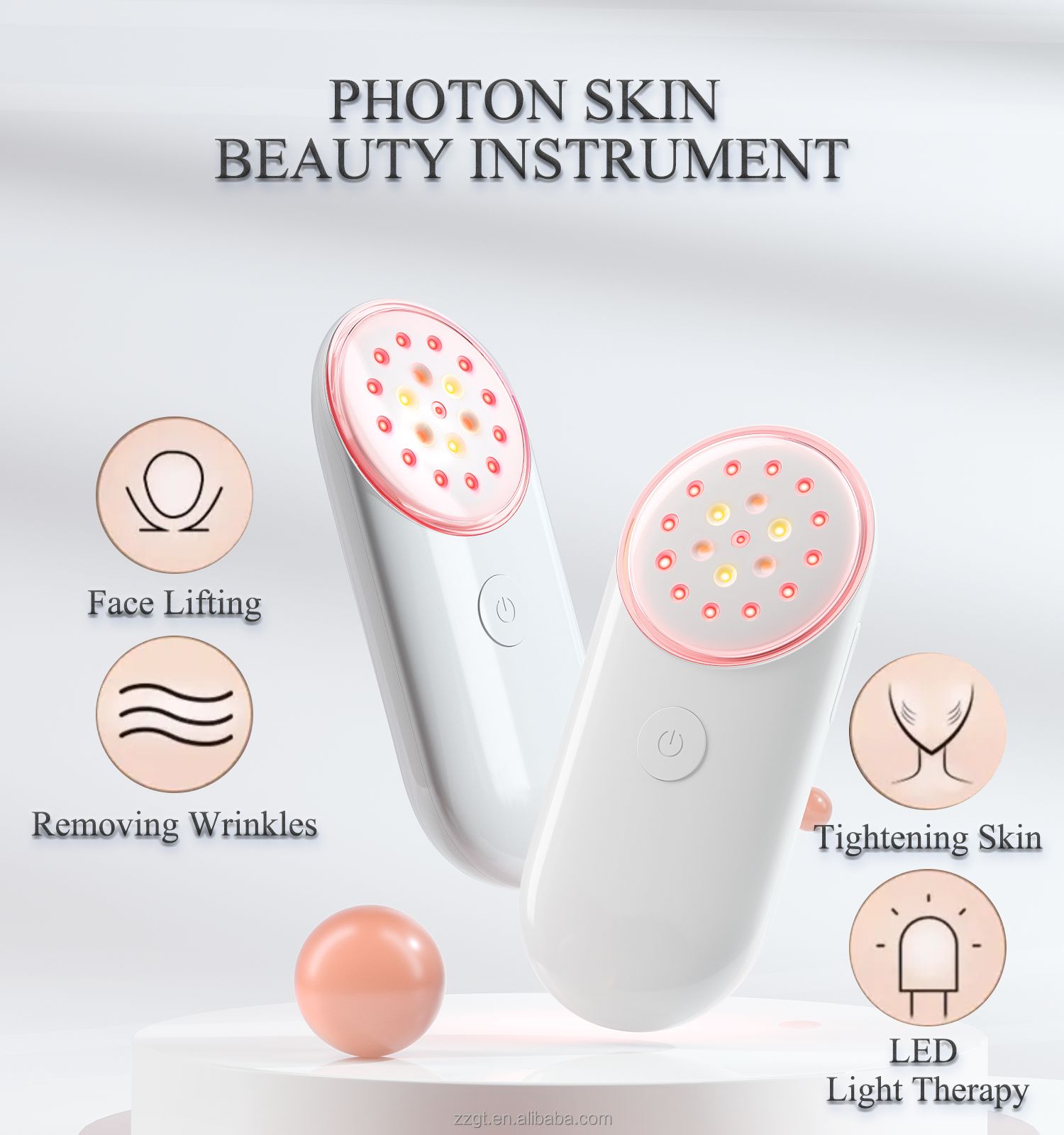
Most at-home light therapy devices lean on the same basic premise: certain wavelengths of visible and near-infrared light can nudge cellular metabolism. When photons reach the mitochondria, they interact with an enzyme called cytochrome c oxidase, which helps the cell produce ATP more efficiently. That extra energy can translate into faster tissue repair and reduced inflammation—at least in controlled lab settings. The key is that not all wavelengths behave equally, and a cheap LED mask doesn't automatically reproduce what researchers use in clinical trials.
The wavelengths with the strongest published support sit in the red (roughly 630–660 nm) and near-infrared (around 810–850 nm) ranges. These penetrate a few millimeters into skin and are absorbed by mitochondria. But here's where the hype tends to creep in: many consumer devices mix in other colors or claim benefits without matching the irradiance used in studies. If a device's output is too weak, or you only use it sporadically, the biological effect may be negligible, no matter how sleek the packaging looks.
A practical way to think about home devices is to check the actual specs—wavelength, irradiance (mW/cm²), and treatment distance—rather than relying on before-and-after photos. You don't need a clinic-grade panel to see modest improvements in skin texture or mild joint discomfort, but consistency matters. Ten minutes a day at the right wavelength can do more than an hour once a week with an underpowered gadget. So it's less about the brand and more about whether the light actually reaches the target tissue with enough intensity.
How to Pick a Device That Won't End Up in a Drawer
The real test isn't whether a gadget looks impressive in a demo video. It's whether you can name three specific times in the next seven days when you'll actually reach for it. If you can't, that device is already on its way to the drawer. Write down the exact tasks it solves—not “might be nice for organizing,” but “I'll scan receipts every Sunday after grocery shopping.” Vague intentions fade fast.
Compatibility is where good intentions go to die. A gadget that needs its own app, a special cable, or a separate account adds tiny bits of friction every time you use it. Before buying, check how it plays with the phone, laptop, or smart home hub you already own. If it doesn't sync automatically or requires you to remember one more login, it will quietly get left behind.
Size and upkeep matter more than specs. A device that's heavy, needs charging every other day, or has to be taken out of a case and reassembled each time won't survive past the novelty phase. The best tools are the ones you can leave out on a shelf or toss in a bag without thinking. If using it feels like a chore even once, you'll start avoiding it.
Five-Minute Routines for Actually Busy Mornings
Brush your teeth while doing ten slow squats. The bathroom counter gives you a stable grip, and the mint in your mouth stops you from skipping the last rep because you're already there.
While your coffee drips, reset one flat surface: clear the mail from the table, wipe the crumbs off the counter, or fold the throw blanket on the couch. It's not a full clean, just a visual exhale that makes the house feel less behind.
Before you grab your keys, stand by the door and name three things you're not carrying: your phone, your wallet, and yesterday's half-empty water bottle. Say them out loud. That tiny checkpoint saves you from turning around at the corner.
What Real Users Notice After Two Weeks (and What They Don’t)
By the end of the second week, the initial novelty has worn off, and that's when genuine impressions settle in. Users won't rave about specs or a sleek dashboard anymore—they mention the tiny moments: the way a button doesn't wobble, how the screen doesn't glare in afternoon light, or the fact that they stopped checking battery percentage because it simply lasts. These small, unglamorous details become the quiet reasons they recommend it to a friend without thinking twice.
Then there are the things nobody seems to bring up, even though they were highlighted in every review. Voice assistant tricks, gesture shortcuts, the custom chip inside—most people forget these exist after day three. They don't miss them, and they don't notice their absence. What they do notice is the absence of friction: a fingerprint sensor that works on the first try, a speaker that doesn't crackle at full volume, or a charging port that doesn't loosen over time. These are the unlisted features that shape real loyalty.
After two weeks, users also start to notice what the product quietly changes in their routines. They leave the house without a charger, they stop carrying a separate camera, or they put away the old notepad. Those behavioral shifts happen without a single prompt or tutorial. And when a product fades into the background of daily life that smoothly, that's the real tell—not what people say in a forum post, but what they simply stop thinking about altogether.
Pairing Your Device with Serums Without Wasting Product
Start by decanting serum into the device's reservoir only if it's built for that; most at-home tools work better with a thin layer spread directly on the skin. Use a pea-sized amount and smooth it evenly before switching the device on. This prevents the product from sliding away or collecting in areas where the device head never touches, which is the quickest way to waste a pricey formula.
If your device uses replaceable cartridges or mixing chambers, fill them right before each session. Pre-filling invites oxidation and can clog narrow openings, especially with thicker serums. After the treatment, wipe the contact surface with a clean, dry cloth rather than rinsing it under water—leftover serum plus tap residue can dilute the next application and force you to use more product than needed.
For better pairing, stick to water-based serums with most electrical devices; oils and heavy creams often block conductivity and leave behind a film that gets scraped off unused. Reserve those richer textures for manual massage. When testing a new serum, begin with half your usual amount to check glide and absorption, then adjust upward only if the device moves smoothly without tugging.
FAQ
Start with something gentle like LED light therapy or a basic sonic cleansing brush. Avoid aggressive microcurrent or radiofrequency until you know how your skin reacts. Check that it has clear intensity settings and doesn't require a complicated routine.
They won't match a clinic-grade session, but consistency pays off. A decent LED mask or microcurrent tool can improve texture, firmness, and overall glow over weeks. Think of it as maintenance between professional visits rather than a replacement.
Most devices are designed for 3–5 sessions per week, but follow the specific guide. Overdoing it can weaken the skin barrier. Pay attention to redness or tightness—if that happens, cut back to every other day.
Yes. Active acne, rosacea, or broken skin usually doesn't pair well with heat-based tools like radiofrequency. Pregnancy is another factor; some modalities lack safety data. When in doubt, consult a dermatologist before buying.
Skipping sunscreen. Many devices make skin more sensitive to UV damage, especially LED and exfoliating tools. Also, using too many actives on the same night as a device can cause irritation. Let the device do the work.
Not necessarily, but water-based serums often work better for microcurrent or ultrasonic tools because they improve conductivity. Avoid heavy oils right before a session—they can block the energy or cause uneven gliding.
A quality LED red light mask is a solid entry point. It's low-risk, easy to use, and has decent evidence for collagen support. Microcurrent devices are also great but require more technique and regular gel use.
Conclusion
A basic cleanser might remove yesterday's makeup, but it won't coax collagen back or even out the patchy tone that accumulates from stress, sun, and sleepless nights. That's where a well-chosen beauty device earns its counter space. At-home light therapy, especially red and near-infrared wavelengths, has a growing body of research behind it—not the kind of overnight miracle ads push, but a measurable shift in skin's firmness and clarity when used consistently. The trick is refusing to fall for gadgets overloaded with settings you'll never touch. A device that does one thing exceptionally well, fits in your palm, and charges without a drawer full of cords is the one you'll actually reach for.
Busy mornings don't need a ten-step ritual. A five-minute pass over clean, dry skin while coffee brews is enough to trigger the photobiomodulation effect, and it pairs seamlessly with a hyaluronic acid or peptide serum afterward—just wait thirty seconds before applying so the light isn't blocked by product. Two weeks in, users tend to notice less redness and a subtle bounce, not a dramatic transformation, which is exactly the point. If you're pairing the device with your existing serums, apply them after the light session rather than before, so every drop absorbs instead of evaporating under the LEDs. That's how the best at-home beauty device turns a routine into a ritual without wasting your time or your money.
Contact Us
Contact Person: Leon Yi
Email: [email protected]
Tel/WhatsApp: +86 17363316873
Website: https://zzgt.en.alibaba.com/