
7 Segment LCD Screens: Innovative Displays Driving Industry Solutions
2026-03-27
In the ever-evolving landscape of electronic displays, 7-segment LCD screens have emerged as silent yet transformative workhorses, driving efficiency and innovation across countless industries. At Jingda-Display, we’ve witnessed firsthand how these seemingly simple modules unlock complex solutions—from medical devices to automotive dashboards and beyond. This blog dives into the cutting-edge applications and future trends that make 7-segment LCDs indispensable, offering insights that could reshape your next project. Ready to explore how these displays are silently revolutionizing the world around us? Let’s get started.
Enhancing Visibility and Efficiency with 7 Segment LCD Screens
7-segment LCD screens offer a clear and straightforward way to display numerical data, making them ideal for devices where visibility is crucial. Imagine glancing at a digital clock or a thermostat on a dim morning—these screens cut through glare with high contrast, ensuring you can read the numbers effortlessly. Their design eliminates the clutter of full alphanumeric displays, focusing purely on essential digits, which boosts user comprehension in a snap.
What sets these screens apart is their energy efficiency, often requiring minimal power to operate. Unlike more complex displays that drain batteries quickly, 7-segment LCDs sip electricity, making them perfect for portable gadgets like calculators or low-power sensors. This efficiency doesn't just save on costs; it extends the lifespan of devices, reducing the need for frequent recharges or battery replacements, all while keeping information crisp and accessible.
Beyond basic numbers, these screens adapt to various environments, from outdoor signage that withstands sunlight to industrial controls in harsh settings. Their simplicity minimizes errors in data presentation, ensuring operators can make quick decisions without confusion. By combining reliable visibility with low power consumption, 7-segment LCDs continue to be a smart choice for enhancing both user experience and operational efficiency in everyday tech.
Customized Display Solutions for Diverse Industrial Applications
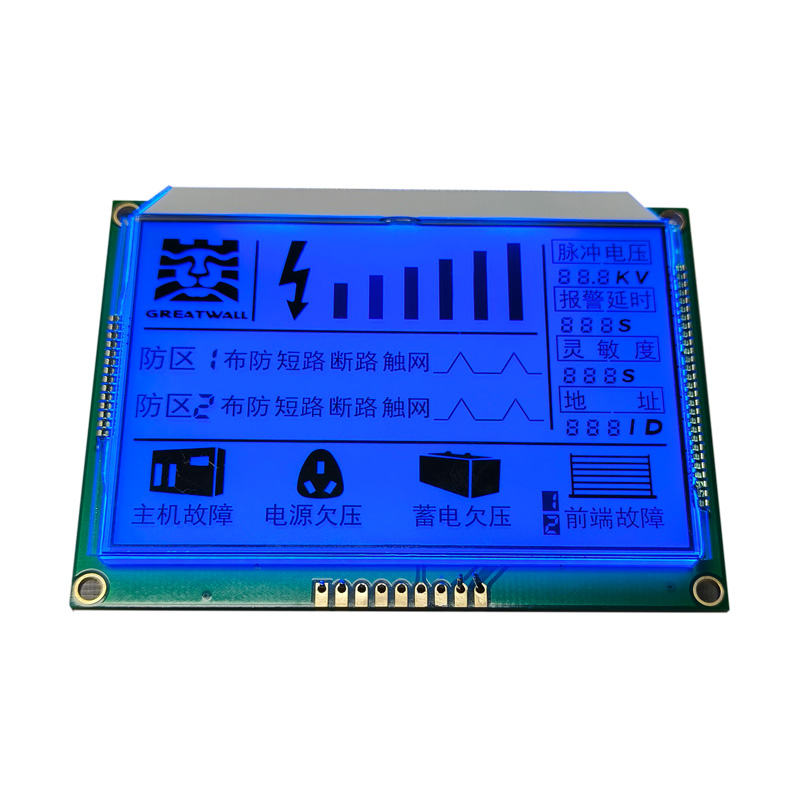
In today's rapidly evolving industrial landscape, the one-size-fits-all approach to display technology simply doesn't cut it anymore. Different sectors, from manufacturing and logistics to healthcare and energy, have unique operational demands that require tailored visual solutions. Whether it’s adapting to extreme environmental conditions, integrating with existing machinery, or supporting real-time data visualization, custom displays are the key to driving efficiency and decision-making on the shop floor, in the field, or at the control center.
Beyond basic durability, these specialized displays are engineered to handle specific challenges like high humidity, temperature variations, or hazardous materials exposure, ensuring reliability where standard screens would falter. By aligning with industry-specific protocols and enhancing user interaction—whether through ruggedized touch interfaces or anti-glare coatings for outdoor use—they become integral tools that minimize downtime and boost productivity across diverse applications, creating a seamless bridge between complex systems and human operators.
As industries push toward automation and smarter operations, custom displays are evolving to support this shift, offering scalability and flexibility that adapt as needs change. From modular designs that fit into tight spaces to advanced connectivity options that sync with IoT networks, they empower businesses to visualize data in ways that are both actionable and intuitive, helping organizations stay competitive in a world where every detail matters. By focusing on bespoke rather than generic, these solutions not only solve immediate problems but also lay the groundwork for future innovation.
Cutting-Edge Innovations in LCD Technology for Better Performance
LCD technology has recently taken leaps forward with innovations like Mini-LED backlighting, where thousands of tiny LEDs precisely control brightness zones. This dramatically improves contrast and black levels, making visuals pop with a depth that rivals OLED displays. HDR performance gets a significant boost too, delivering richer colors and more realistic images across various content.
Another breakthrough is high refresh rate panels combined with adaptive sync technologies, such as NVIDIA G-SYNC and AMD FreeSync. These advancements minimize motion blur and screen tearing during fast-paced action, crucial for gamers and professionals working with dynamic visuals. By smoothing out transitions, they enhance the overall clarity and fluidity of on-screen motion.
Additionally, advancements in quantum dot enhancement films (QDEFs) are expanding color gamuts closer to Rec. 2020 standards, offering more vibrant and accurate hues. Paired with energy-efficient designs that reduce power consumption without sacrificing brightness, these innovations ensure LCDs remain competitive, providing superior performance across entertainment, creative work, and everyday use.
Reduced Energy Consumption and Environmental Impact of Modern Displays
Modern displays have undergone a significant transformation in terms of energy efficiency, largely driven by advancements in technologies like OLED and microLED. These innovations consume far less power than their predecessors, such as traditional LCDs or plasma screens, by eliminating the need for energy-intensive backlighting. This reduction in energy use not only lowers electricity bills for consumers but also decreases the overall carbon footprint associated with electronic devices, making them more sustainable in everyday use.
Beyond just energy savings, modern displays incorporate eco-friendly materials and manufacturing processes that minimize environmental harm. Companies are increasingly using recycled plastics, reducing hazardous substances, and implementing designs that are easier to disassemble for recycling at the end of a product's life cycle. This holistic approach ensures that displays contribute less to e-waste and pollution, aligning with global efforts to promote greener technology.
In addition to hardware improvements, smart features like adaptive brightness and power-saving modes play a crucial role in cutting energy consumption. These technologies automatically adjust display settings based on ambient light or usage patterns, optimizing performance without sacrificing quality. By integrating such intelligent systems, modern displays not only enhance user experience but also reinforce their role in fostering a more sustainable digital ecosystem.
Improving User Interaction and Operational Safety in Workplaces
Fostering a culture where workers feel comfortable reporting concerns can transform safety from a checklist into a collective responsibility. Encouraging open dialogue between staff and management not only prevents accidents but also builds trust. When employees know their input is valued, they become proactive in identifying and addressing risks, creating a more resilient environment where safety evolves through shared insights and genuine engagement.
Integrating intuitive design into workplace tools and processes can drastically reduce human error and enhance safety. By focusing on user-centered layouts and clear instructions, companies can minimize confusion and fatigue, leading to smoother operations. This approach ensures that safety protocols are not just followed mechanically but are embraced as part of a seamless, efficient workflow, making protection an inherent aspect of daily tasks rather than an afterthought.
Tailored training programs that adapt to real-world scenarios empower employees to handle emergencies with confidence and precision. Rather than relying on generic manuals, interactive sessions that simulate actual challenges help workers internalize safety practices. This dynamic learning fosters quick decision-making and reduces reaction times, ensuring that safety measures are not just theoretical but are practiced and ready for any situation, ultimately safeguarding both people and productivity.
Future Trends and Adaptations in LCD Screen Development
As technology continues to evolve at a rapid pace, LCD screens are undergoing significant transformations to meet the demands of modern applications. One of the most exciting trends is the integration of advanced materials like quantum dots and mini-LEDs, which enhance color accuracy and contrast ratios without drastically increasing energy consumption. This shift is particularly relevant for industries such as gaming and professional design, where visual fidelity is paramount. By adapting to these innovations, manufacturers can deliver displays that not only look stunning but also offer improved durability and longer lifespans, catering to consumers who prioritize both performance and sustainability in their devices.
Another key adaptation in LCD development is the push towards higher resolutions and faster refresh rates, driven by the growing popularity of virtual reality and 4K content. Screens are becoming thinner and more flexible, allowing for novel form factors in smartphones, tablets, and wearables. This flexibility isn't just about aesthetics; it enables better integration into curved surfaces and foldable designs, opening up new possibilities for user interaction. As a result, LCD technology is moving beyond traditional rigid panels to embrace a more dynamic and responsive future, where displays seamlessly blend into our daily environments rather than standing out as bulky add-ons.
Looking ahead, LCD screen development is also focusing on improving energy efficiency and reducing environmental impact. Innovations in backlighting techniques, such as local dimming and adaptive brightness, help minimize power usage while maintaining high-quality visuals. This trend aligns with global efforts to promote eco-friendly electronics, as consumers and regulators increasingly demand greener products. By incorporating recyclable materials and more efficient manufacturing processes, the industry can adapt to these pressures without sacrificing the vibrant, clear images that LCDs are known for, ensuring that this established technology remains competitive in a market dominated by alternatives like OLED.
FAQ
Their reliability and simplicity stand out. With minimal power consumption and clear readability under various lighting conditions, they're ideal for environments where complex displays might fail or distract.
They use very little power compared to other display types, often operating on low voltages. This makes them perfect for battery-powered or energy-conscious systems, helping extend device lifespans.
Absolutely. Many are built with rugged materials and wide temperature ranges, resisting moisture, dust, and vibrations. This durability ensures consistent performance in factories or outdoor settings.
Advances include enhanced viewing angles, brighter backlighting, and integration with touch sensors or connectivity modules. Some now feature customizable segments for more versatile data display.
Their low production costs and minimal maintenance needs reduce overall expenses. By focusing on essential numeric or simple alphanumeric data, they avoid the overhead of complex graphics processors.
They provide straightforward, glanceable information without clutter. Designers can use them to highlight critical metrics like temperatures or counts, improving operator efficiency and reducing errors.
Expect more integration with IoT and smart systems, allowing remote monitoring and updates. Eco-friendly materials and even lower power designs could also emerge, aligning with sustainability goals.
Conclusion
7 Segment LCD screens have revolutionized industrial displays by significantly enhancing visibility and operational efficiency across diverse applications. These screens provide clear, reliable readouts in challenging environments, from manufacturing floors to medical devices, ensuring critical data is always accessible. Their customized solutions allow for tailored displays that meet specific industrial needs, whether for complex machinery interfaces or straightforward monitoring systems. By integrating cutting-edge innovations in LCD technology, these displays offer improved performance, durability, and adaptability, driving productivity and reducing downtime in various sectors.
In addition to performance gains, modern 7 Segment LCD screens contribute to sustainability through reduced energy consumption and a lower environmental impact, aligning with green initiatives. They enhance user interaction and operational safety in workplaces by offering intuitive interfaces that minimize errors and accidents. Looking ahead, future trends in LCD screen development promise further adaptations, such as smart connectivity and flexible designs, which will continue to push the boundaries of industrial solutions. These displays are not just components but key enablers of innovation, shaping a more efficient and safer industrial landscape.
Contact Us
Contact Person: Vincent
Email: [email protected]
Tel/WhatsApp: 86 135 5485 1379
Website: https://www.jda-display.com/